Sodium-Ion Battery for Rural Schools: Reliable, Low-Cost Power
Sodium-Ion Battery for Rural Schools: Reliable, Low-Cost Power
Rural schools in areas with weak grids face a simple problem: the lights, the router, and the laptops go dark exactly when a lesson depends on them. A stationary storage bank fixes that, and for a building that sits in one place, weight is irrelevant — which makes sodium ion battery technology a strong fit. Sodium cells use abundant, low-cost materials and stay safe in warm, poorly ventilated rooms, so a school can afford a system sized for a full school day of backup rather than a token hour.
Why Sodium for a School
Sodium-ion chemistry is built from salt, iron, and manganese — none of it subject to the price swings and supply limits of lithium, nickel, and cobalt. For a donor-funded or municipal project, that material stability translates into predictable budgets and local repairability. Cycle life of 3000–5000 at deep discharge covers years of daily cycling, and sodium keeps most of its capacity even in un-air-conditioned storerooms where lithium would need active cooling to stay healthy.
Safety and Siting
A classroom battery must be forgiving. Sodium-ion has no metallic lithium to dendrite, a higher thermal-runaway threshold, and tolerates over-discharge better than many lithium formats, which simplifies the enclosure and fire-plan review a school board requires. Site the cabinet in a locked, ventilated room, add basic monitoring, and the system needs little staff attention beyond an occasional visual check.
Sodium vs Lithium for Schools
| Attribute | Sodium-Ion | LFP (LiFePO4) |
|---|---|---|
| Material cost | Lower | Medium |
| Cold performance | Excellent | Needs heat |
| Intrinsic safety | High | High |
| Energy density | Lower | Medium |
| Supply security | Strong | Medium |
What to Power First
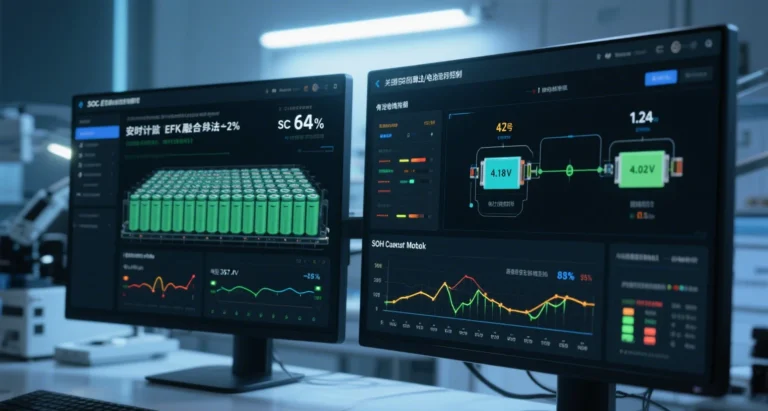
Prioritize the loads that keep learning going: LED lighting on a backed-up circuit, the internet router and access points, and a charging trolley for student devices. A 10–20 kWh bank covers a classroom block through a multi-hour outage and can be recharged from the grid overnight or from existing rooftop solar. Add a simple state-of-charge display in the staff room so teachers know the buffer is healthy before storm season, and label the backed-up circuit so nothing non-essential is accidentally added later.
Funding and Total Cost of Ownership
Because sodium’s cell materials are cheap and widely available, the capital cost per stored kilowatt-hour is typically lower than lithium for the same stationary duty. Over a 10-year horizon the school avoids generator fuel, diesel maintenance, and the frequent battery replacements that plague lead-acid backup. Many education deployments combine the battery with a small solar array funded separately, which further cuts the grid energy the school pays for and shortens payback to a few years.
People Also Ask
Is sodium-ion safe around children? Yes — with the same enclosed, vented cabinet used for any school battery, sodium’s higher stability margin is a bonus for busy buildings.
When would lithium still be better? If the school has almost no space and needs maximum energy per cubic meter; otherwise sodium’s cost and safety edge usually win for fixed sites.
Maintenance and Lifespan
A school battery should be close to fit-and-forget. Sodium-ion tolerates partial state of charge and does not need the equalization cycles that shorten lead-acid life, so the main task is keeping the cabinet clean and the firmware current. Inspect the state-of-charge display termly, verify the disconnect switch is accessible to staff, and schedule a capacity check every two to three years. With 3000–5000 usable cycles, a well-specified bank typically outlasts the grant period that funded it, leaving the school with free backup for years afterward.
Written by Karl at China Battery Technology. Request a quote.