Sodium Ion Battery Energy Density vs Lithium
Sodium Ion Battery Energy Density vs Lithium
The single spec most buyers ask about is sodium ion battery energy density — and the honest answer is that it trails lithium, but the gap is narrowing and often irrelevant for stationary use. A sodium ion battery trades density for cost and supply security, a trade a lithium battery manufacturer helps you evaluate per application.
The Numbers Today
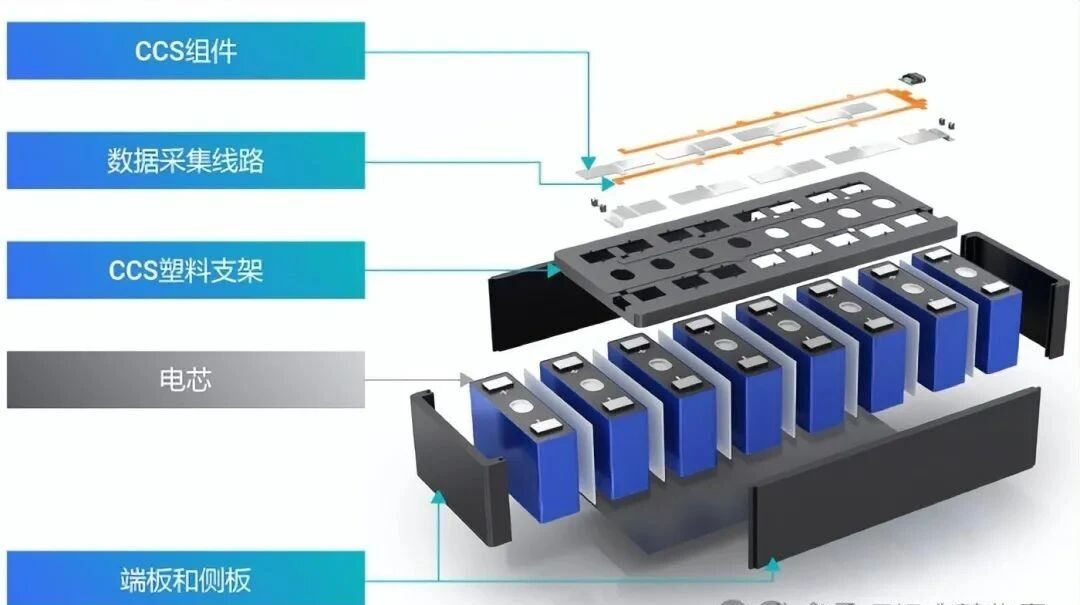
Current production sodium cells reach roughly 100-160 Wh/kg and 200-300 Wh/L, versus LFP lithium at ~160-200 Wh/kg and NMC at ~200-280 Wh/kg. Sodium’s lower cell voltage (~3.0-3.2 V vs 3.2-3.7 V) and heavier ion are the root cause.
Why Density Is Not Always Decisive
For grid storage, backing up a home, or powering an industrial vehicle, floor space and weight are cheap. There, sodium’s lower $/kWh and cold tolerance beat the density disadvantage. For EVs and aviation, density still rules.
Improvement Trajectory
Cathode innovation (layered oxides, polyanions) and better hard-carbon anodes are pushing sodium toward the lower end of LFP’s range. The crossover with LFP on price is already here in some stationary segments.
| Chemistry | Wh/kg | Wh/L | Best use |
|---|---|---|---|
| Sodium-ion | 100-160 | 200-300 | Stationary, industrial |
| LFP | 160-200 | 300-400 | Storage, EV, marine |
| NMC | 200-280 | 400-700 | Weight-critical |
Buyer Takeaway
Compare energy density only where weight or volume is constrained. Otherwise model $/usable-kWh over the pack’s life — the metric that actually drives your total cost.
Frequently Asked Questions
Will sodium ever match lithium density? Unlikely to match NMC; it is closing on LFP’s lower bound.
Does lower density mean worse product? Not for stationary use, where space is cheap and cost wins.
What should I prioritise? $/kWh over life and cycle stability for most non-mobility uses.
Written by Karl at China Battery Technology. Request a quote.