
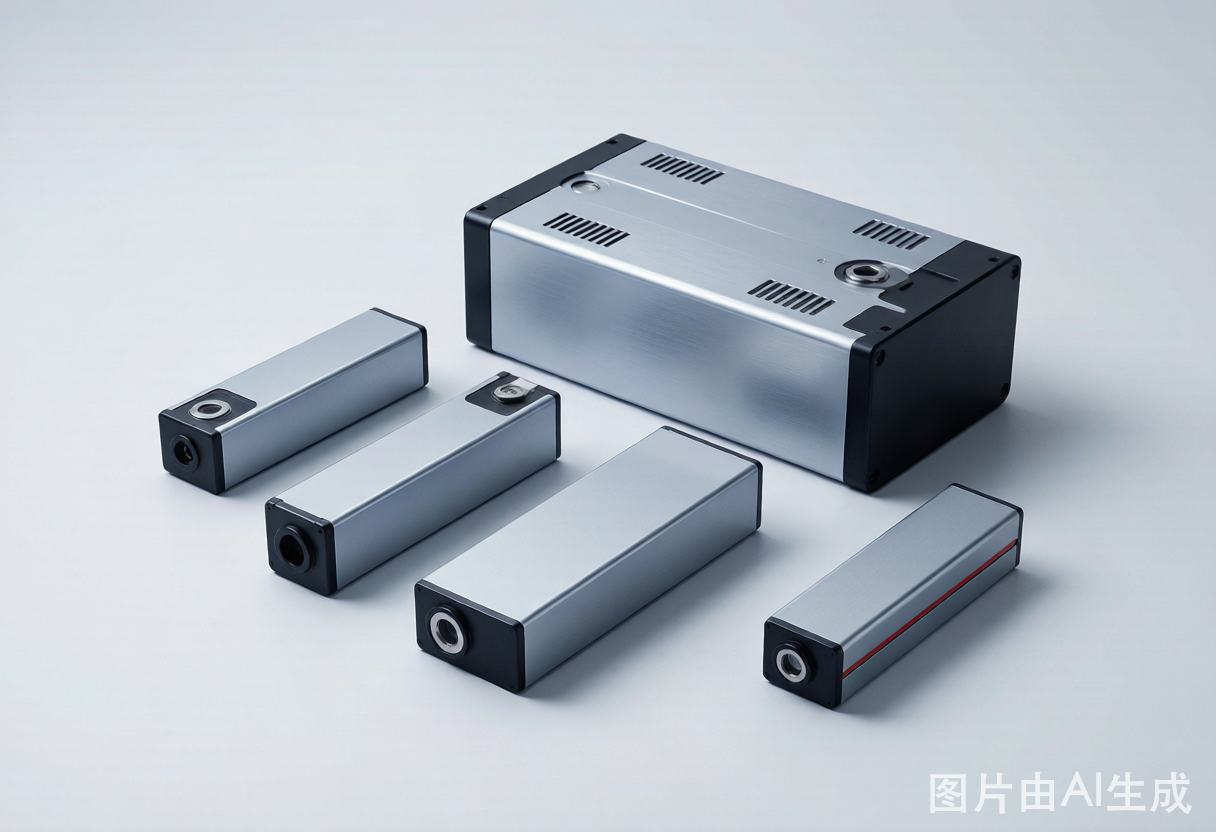
A semi-solid-state battery uses a semisolid electrode with substantially less liquid electrolyte than a conventional cell, sitting on the path from today lithium-ion to full solid-state. It trades a little energy density for meaningful gains in safety and fast-charge tolerance, which makes it a practical step available to designers now without waiting for full solid-state to scale. For product teams that need a safety and charge-rate story this year, semi-solid is the lowest-risk way to ship that advantage rather than betting the roadmap on a chemistry still climbing the volume curve. It is the bridge chemistry that lets you launch now and upgrade later without a redesign.
How It Works
Replacing most liquid electrolyte with a semisolid or gel reduces flammable solvent, improves thermal stability, and lets the cell accept higher charge rates. Energy density lands between LFP or NMC and future solid-state, which is why premium consumer electronics, wearables, and aerospace prototypes adopt it first. For engineering teams, semi-solid is the most direct way to ship a safety and charge story in the current product generation. The reduced solvent also simplifies pack-level thermal design, which shortens certification time for safety-critical products and lowers the barrier to a successful launch this cycle.
Comparison
| Attribute | Semi-solid | Liquid Li-ion | Full solid-state (future) |
|---|---|---|---|
| Energy density | 180-300 Wh/kg | 150-280 Wh/kg | 300-500+ (target) |
| Safety | High (less solvent) | Good | Highest |
| Fast charge | Excellent | Good | Excellent |
| Maturity | Shipping now | Mature | Scaling |
Specifications to Specify
| Format | Pouch/prismatic/cylindrical | Match device envelope |
|---|---|---|
| Charge rate | Confirm C-rate | Semi-solid often 2-4C |
| Operating temp | Device spec | Verify at your range |
| Certifications | Market | UN38.3, IEC 62133, CE |
Applications
Explore the deep dive for your use case:
Where Semi-Solid Wins Today
Designs that need fast charge and a safety margin but cannot wait for full solid-state, such as premium wearables, medical portables, and aerospace prototypes, adopt semi-solid now. It is the lowest-risk way to ship the safety and charge story in the current generation. The reduced solvent content also simplifies the pack-level thermal design, which shortens certification time for safety-critical products and lowers the bar for a successful launch.
Roadmap to Full Solid-State
Expect energy density to climb as electrolyte loading falls further. Qualify semi-solid as a drop-in improvement, and keep the cell interface, connector, and BMS stable so a later chemistry swap is a component change rather than a redesign. Teams that build the enclosure and electronics around a stable mechanical and electrical interface can upgrade chemistry generations without requalifying the whole product, protecting both schedule and certification investment.
Specifying a Semi-Solid Cell
Confirm the charge C-rate with the cell maker, because semi-solid typically accepts higher charge current than a liquid cell but still has a hard limit. Validate the operating-temperature window against your device thermal model, and require UN38.3 plus the relevant IEC and CE marks for your market before production. A clear specification up front prevents a late redesign that would otherwise push the launch date.
Thermal and Pack Design
Because solvent content is lower, pack thermal management can be lighter, but you should still model worst-case charge and ambient conditions. Keep the cell interface consistent across a product family so a future chemistry change is plug-compatible. Good pack design here is mostly about preserving the mechanical and electrical envelope while the chemistry matures underneath it.
When to Wait and When to Ship
Ship semi-solid when you need the safety or charge story now and full solid-state is not yet available at volume for your form factor. Wait only if your binding constraint is absolute energy density and you can tolerate the longer timeline. For most premium devices launching in the next two years, semi-solid is the pragmatic choice that de-risks the schedule.
Charging Infrastructure
Semi-solid cells accept higher charge current than liquid cells, but they still have a hard C-rate limit set by the cell maker. Specify the charger and BMS together so the pack never sees more current than the cells allow, and validate the connector and cabling for the higher rate. Good charging infrastructure is mostly about respecting that limit while capturing the faster top-up the chemistry enables, which is the feature users notice most.
Cost and Availability
Semi-solid carries a premium over mature liquid cells today, concentrated in early volume and specialized formats. Expect that premium to narrow as capacity scales and formats standardize over the next two years. For products where the safety or charge story justifies the cost now, ship with semi-solid and keep the interface stable so you can drop the price later without a redesign. The roadmap favors teams that qualified early.
Form Factor and Supply
Semi-solid ships in pouch, prismatic, and cylindrical formats like liquid cells, so your existing mechanical designs usually adapt without a new enclosure. Confirm lead time and minimum order with the cell maker early, because specialized formats can be scarce at launch. Align the format choice with your volume forecast so you are not redesigning the pack when demand scales.
Testing and Validation
Validate semi-solid the way you would any safety-critical cell: nail the charge C-rate, run the operating-temperature window, and abuse-test for thermal runaway margin before you commit. The lower solvent content helps, but it is not a substitute for qualification. Keep the test plan aligned with your product duty cycle so the data you approve matches the field, and retain the report as evidence for certification and for any future warranty discussion.
Intellectual Property
Semi-solid sits across a busy patent landscape, so confirm the cell maker holds or licenses the electrolyte and interface IP for your markets. A pack built on contested IP can be blocked at the border or pulled from sale, which is a brand and revenue risk far larger than the cell cost. Ask for freedom-to-operate assurance as part of qualification, especially if you sell into markets with active litigation in this chemistry.
Application Fit Checklist
Use a short checklist to decide if semi-solid fits your product: do you need faster charge than liquid cells allow, is safety a selling point, and can you tolerate a modest energy-density trade? If yes to two of three, semi-solid is worth qualifying. If your only constraint is absolute runtime, a mature liquid cell may still win on cost. The checklist keeps the decision grounded in the product rather than the headline.
Production Readiness
Before volume, confirm the cell maker can hold format, capacity, and C-rate across lots, and that the pack line is set up for the slightly different thermal and mechanical profile. Run a small production lot and teardown it to confirm consistency. Production readiness is where semi-solid proves whether the prototype advantage survives contact with manufacturing, so qualify the line, not just the cell.
Frequently Asked Questions
What is a semi-solid-state battery?
A cell with mostly semisolid or gel electrolyte instead of free liquid, improving safety and charge rate versus conventional lithium-ion.
Is it shipping now?
Yes. Premium consumer electronics and wearables use semi-solid cells as of 2025-2026.
When will full solid-state arrive?
High-volume consumer solid-state is still scaling; semi-solid is the practical step available to designers today.
Does it need special charging?
No, but confirm the BMS C-rate; semi-solid typically accepts higher charge current than liquid cells.
Written by Karl at China Battery Technology. Need a pack scoped to your duty cycle? Request a quote.