Sodium-Ion Battery for Highway Emergency Phones: Solar Backup That Survives Roadside Extremes
Sodium-Ion Battery for Highway Emergency Phones: Solar Backup That Survives Roadside Extremes
Highway SOS call boxes are among the most punishing stationary battery applications we quote: a sealed steel cabinet baking at 60 °C in summer, dropping to -25 °C on mountain passes in winter, powered by a small solar panel that may see a week of overcast sky. Lead-acid blocks have dominated this niche for decades purely on temperature tolerance, but they need replacement every 24-30 months. The sodium ion battery is the first chemistry we have tested that matches lead-acid’s temperature window while tripling its service life, and highway authorities in two provinces are now running pilot installations on our packs.
Why Roadside Cabinets Break Lithium Batteries
Standard NMC and even LiFePO4 cells suffer accelerated degradation above 45 °C and cannot accept charge below 0 °C without plating risk. An emergency phone cabinet on southern asphalt routinely exceeds 55 °C internally, and the solar charge arrives precisely during the hottest hours. Heaters and fans solve this on large telecom sites, but a call box has a 10-20 W power budget — thermal management is simply not affordable. Sodium-ion cells charge safely from -20 °C to 55 °C and tolerate storage at -40 °C, which removes the entire thermal engineering problem rather than mitigating it.
Sizing the Pack for a Week of Autonomy
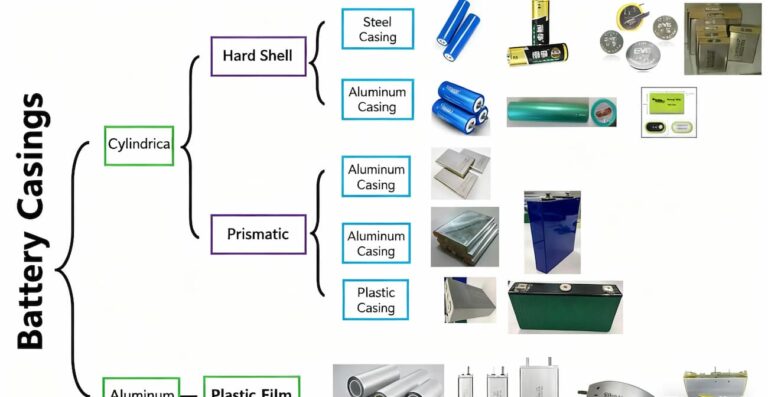
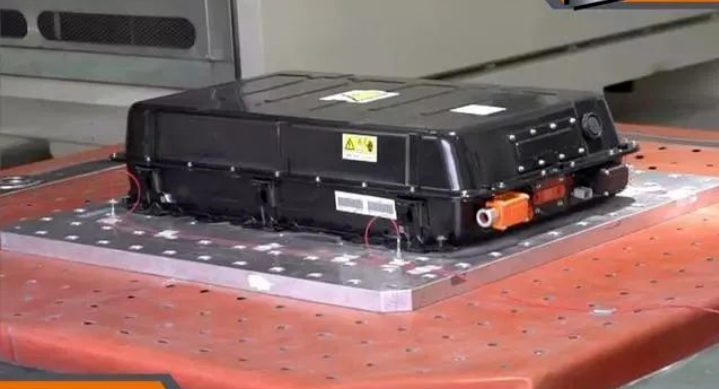
A modern emergency phone with LED beacon and 4G module averages 3-5 W. Regulations in most provinces require 5-7 days of autonomy without solar input. That points to a 24 V, 30-40 Ah pack (roughly 0.8-1.0 kWh). We build this from 26700 sodium-ion cells in an 8S configuration with a passive-balance BMS — the low cell count and modest current keep electronics simple and the failure rate near zero. The pack fits the same tray footprint as the 26 Ah lead-acid block it replaces, which matters when an authority is retrofitting 400 call boxes without touching cabinet steelwork.
Chemistry Comparison for Roadside SOS Boxes
| Criterion | Lead-Acid (AGM) | LiFePO4 | Sodium-Ion |
|---|---|---|---|
| Charge temp range | -20 to 50 °C | 0 to 45 °C | -20 to 55 °C |
| Service life (roadside) | 2-2.5 years | 4-6 years* | 7-9 years |
| Usable depth of discharge | 50% | 90% | 90% |
| Winter capacity at -20 °C | ~55% | ~60% (discharge only) | ~85% |
| Theft resale value | High (scrap lead) | High | Low |
*LiFePO4 life assumes a charge-inhibit heater below 0 °C; without it, winter charging damage shortens life sharply. The theft row is not a joke — lead-acid blocks disappear from remote call boxes for scrap value, and several agencies list it as a real maintenance cost.
Deployment Notes from the First Pilots
Two practical lessons emerged from the pilot batches. First, set the solar charge controller to a sodium-ion voltage profile (8S: 30.4 V absorption) rather than reusing the lead-acid preset — the chemistries are close enough that the box will “work” on the wrong preset while quietly cycling the pack in a stressed window. Second, specify the BMS with a 30-day storage self-discharge report; sodium-ion’s ability to sit at 0 V without damage makes transport and warehousing safer, but only if the BMS wake-up circuit is designed for full-discharge recovery.
People Also Ask
Why not just keep using lead-acid in emergency phones? It works, but replacement every 2-2.5 years across hundreds of remote boxes dominates lifetime cost. Sodium-ion’s 7-9 year life cuts truck-roll maintenance by roughly two thirds.
Can sodium-ion batteries charge in freezing weather? Yes — charging down to -20 °C is the chemistry’s headline advantage over lithium. This is decisive for solar-charged roadside equipment in cold regions.
What size battery does a highway SOS phone need? With a 3-5 W average load and a 5-7 day autonomy requirement, a 24 V 30-40 Ah pack (0.8-1.0 kWh) is the common sizing.
Is sodium-ion safe inside a sealed roadside cabinet? Yes. Sodium-ion cells do not enter thermal runaway as readily as NMC, tolerate 55 °C cabinet heat, and can be transported fully discharged, which simplifies logistics and installation safety.
Written by Karl at China Battery Technology. Request a quote.
Related reading: Sodium-Ion Battery for Offshore Platforms: Safer Remote Power