Sodium Ion Battery Raw Materials: The Supply Edge
Sodium Ion Battery Raw Materials: The Supply Edge
The headline advantage of sodium chemistry is not energy density — it is the sodium ion battery raw materials story. A sodium ion battery uses sodium, aluminum, and iron-based chemistry that sidesteps the geopolitics of lithium, cobalt, and nickel. A forward-looking lithium battery manufacturer watches this shift closely.
What Is Inside a Sodium Cell
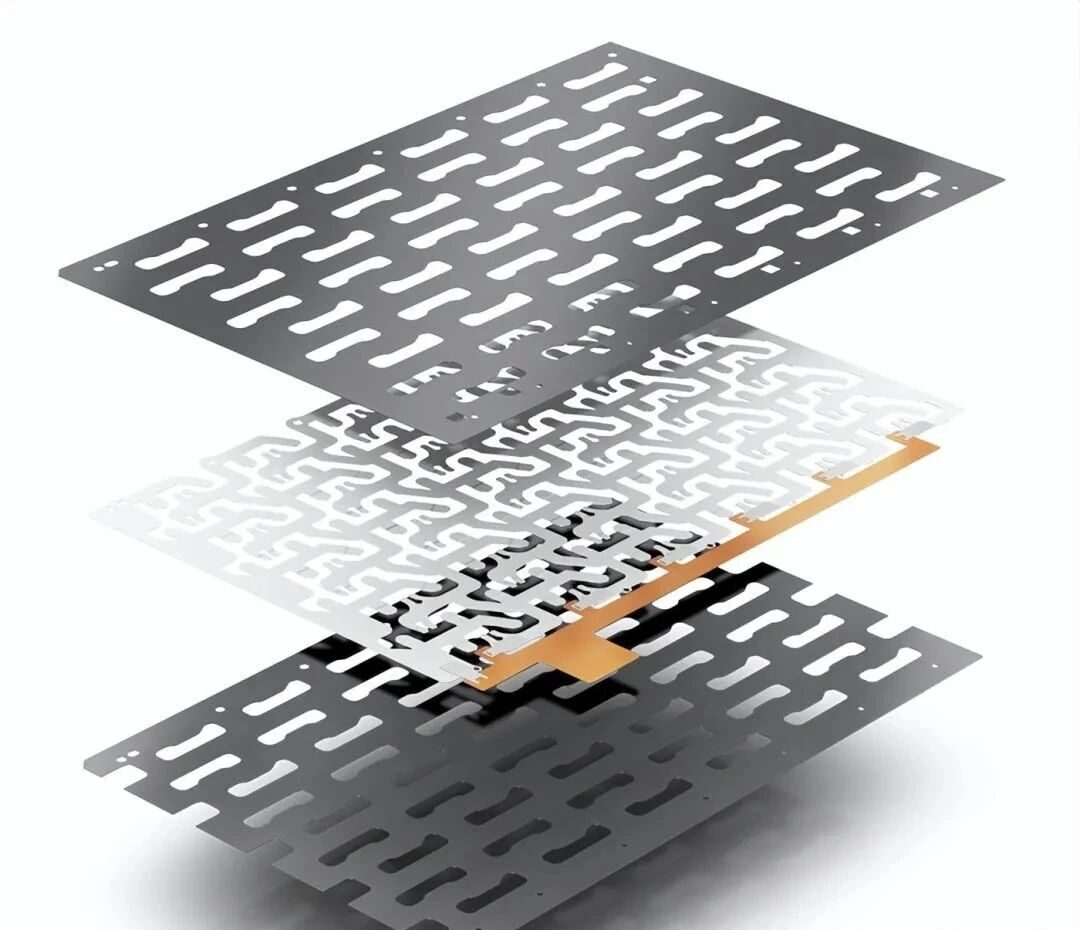
Cathodes often use layered oxides or polyanion compounds built from sodium, iron, manganese, or nickel — abundant elements. The anode is hard carbon from biomass or coal tar. Critically, the current collector can be cheap aluminum on both sides, since sodium does not alloy with it.
Why Supply Security Matters
Lithium and cobalt are concentrated in a few regions, exposing prices and volumes to disruption. Sodium is everywhere — in salt, brines, and clay — so material cost is stable and locally sourceable in most countries.
Material Cost Comparison
Even if sodium’s cell performance trails lithium, its bill of materials is structurally cheaper. That resilience is why utilities and price-sensitive OEMs hedge with sodium.
| Material | Lithium cell | Sodium cell |
|---|---|---|
| Active metal | Lithium (scarce) | Sodium (abundant) |
| Cobalt / nickel | Often used | Rarely needed |
| Current collector | Cu + Al | Al + Al |
| Geo risk | Medium-high | Low |
What Buyers Should Track
Watch cathode chemistry choice (it drives cost and density) and the aluminum-collector saving. For large stationary or cost-first programs, sodium’s material story is a genuine hedge against lithium volatility.
Frequently Asked Questions
Does sodium need lithium at all? No — that is the core supply advantage.
Is sodium cheaper to make? Structurally yes, due to abundant materials and aluminum collectors.
Are there downside materials? Sodium’s lower density and some cathode costs remain the trade-offs.
Written by Karl at China Battery Technology. Request a quote.