Sodium-Ion Battery for Telecom Tower Backup: Cold-Climate Reliable
Sodium-Ion Battery for Telecom Tower Backup: Cold-Climate Reliable
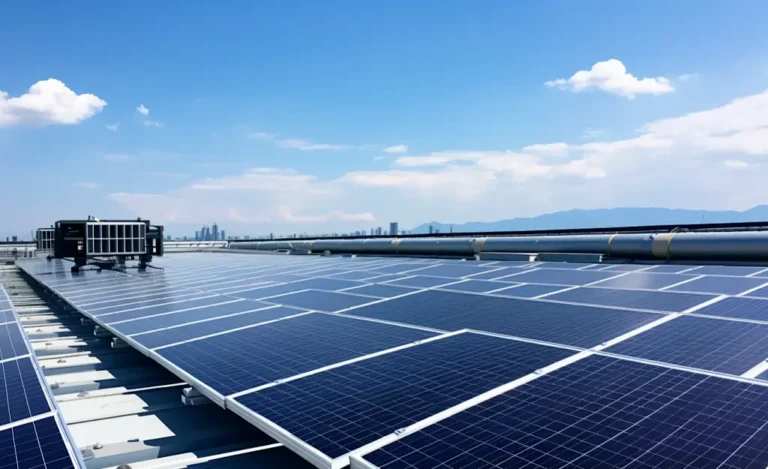
Cell towers sit on hills, ridgelines, and rural crossroads where the grid is unreliable and the winter is long. A sodium ion battery for telecom tower backup is becoming the practical choice for these sites because sodium is cheap and abundant, and the cells keep working in the cold that drains conventional lithium. For a cabinet measured in kilowatt-hours, material cost and cold behavior matter more than energy density, and sodium wins on both.
Why Telecom Sites Favor Sodium
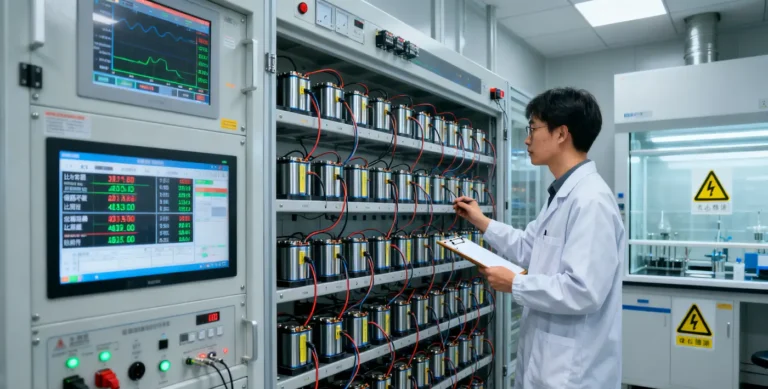
A tower cabinet is not weight- or space-limited the way an EV is. What it needs is a bank that survives thousands of shallow cycles, shrugs off −20 °C nights, and does not break the capex budget across hundreds of sites. Sodium-ion uses aluminum collectors and iron/manganese cathodes — no lithium, nickel, or cobalt — so the bill of materials is both cheaper and geologically secure, which matters when you are deploying a national network.
Cold Performance Is the Real Win
Sodium-ion holds more than 90% capacity at −20 °C without heaters, while LFP needs active warming to deliver current in deep cold. On an unpowered ridge in January, that difference decides whether the site rides through the outage or drops calls. The higher thermal-runaway threshold also simplifies the fire-suppression and enclosure design for unmanned cabinets, lowering the insurance and the inspection overhead for the operator.
Tower Backup Comparison
| Attribute | Sodium-Ion | LFP (LiFePO4) |
|---|---|---|
| Material cost | Lower | Medium |
| Capacity at −20 °C | >90% | ~70% (with heat) |
| Cycle life | 3000–6000 | 4000–7000 |
| Cold safety | High | High (heated) |
| Supply risk | Low | Medium |
Sizing and Siting
Size the bank for the worst-case outage the operator must cover — often 4–8 hours of transmit plus site load — and pair it with a hybrid rectifier that accepts solar or a generator. Because sodium’s lower density means a larger box, leave room in the cabinet layout and confirm the foundation can take the weight. A BMS reporting state-of-health over the existing tower modem lets the network team swap packs before they fail rather than after a site goes dark.
Deployment Reality
In practice the sodium cabinet is a drop-in for the old VRLA shelf: same 48 V bus, same rectifier, just a different charge window. The operator gains a bank that loses less capacity over a northern winter and needs no annual equalization visit. For fleets spread across cold regions, that reliability gain is worth more than the small energy-density penalty, and the lower material cost helps fund wider coverage.
People Also Ask
Is sodium-ion dependable for unattended sites? Yes — its tolerance for partial state of charge and cold makes it well suited to remote cabinets that cycle irregularly and sit through hard winters.
When should I still pick lithium? When the cabinet is space- or weight-constrained, or you need maximum energy per cubic meter; LFP remains the denser, more mature option for compact sites.
Written by Karl at China Battery Technology. Request a quote.