Home Energy Storage for RV and Camper: Off-Grid Power Simplified
Home Energy Storage for RV and Camper: Off-Grid Power Simplified
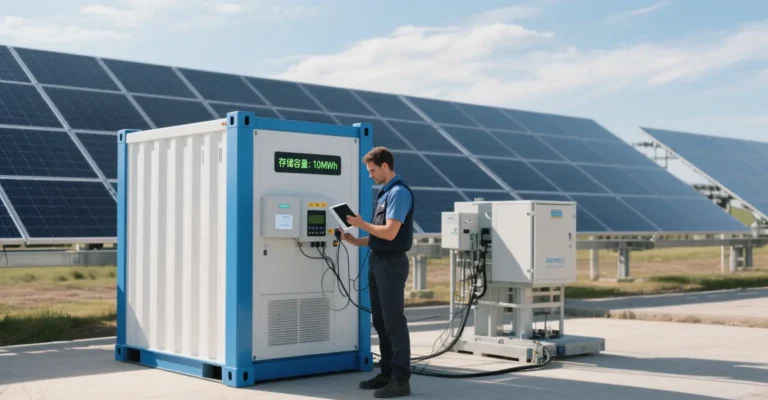
Camping without hookups — boondocking — is only fun if the lights, fridge, and phones keep working. A home energy storage system sized for an RV turns a parked camper into a self-sufficient cabin: silent overnight power, no generator drone, and enough reserve for a few cloudy days. The same all-in-one batteries used at home work behind the RV inverter with only a little extra care for vibration and temperature, so the learning curve from a fixed installation to a rolling one is short.
What an RV Actually Draws
List the loads before sizing: 12 V fridge (the big one), lights, water pump, vent fans, laptop, and the occasional microwave or induction burner. Most rigs use 2–5 kWh per day of quiet load, with spikes when the compressor or an inverter appliance starts. A lithium house bank sized to 200–400 Ah at 12 V covers typical boondocking, while roof solar of 200–600 W tops it up during the day and pays for itself in saved generator fuel over a season.
Charging on the Move
An RV has three free energy sources a house does not: the alternator while driving, shore power at a pedestal, and the tow vehicle. A DC-DC charger feeds the house bank from the engine without frying the starter battery, and a combiner blends solar, alternator, and AC into one managed bank. The BMS should report state-of-charge to a display by the door so you never guess, and should log cycle count so you can plan a replacement before a trip, not during one.
RV Power Comparison
| Source | Typical output | Best use |
|---|---|---|
| Roof solar | 200–600 W | Daytime top-up |
| Alternator (DC-DC) | 30–60 A | Charge while driving |
| Shore / AC | 15–30 A | Overnight at pedestal |
| Generator | 1–3 kW | Backup for storms |
Safety and Mounting
Secure the bank against road shock, vent the compartment, and keep lithium above freezing before charging — most RV BMS units block charge below 0 °C to protect the cells, so park warmed or use a heated pack in winter. Fuse every cable within 18 inches of the battery, use tinned marine-grade wire, and label the disconnect so a helper can kill power fast. A certified all-in-one unit bundles the inverter, charger, and monitoring so there is one warranty and one app instead of three mismatched boxes.
Planning a Real Trip
For a long weekend off-grid, run the numbers backward from your fridge: it is the load that never sleeps. Add lights and fans, then size the bank so you end the third night above 30% state-of-charge with no driving and no sun. That headroom covers a rainy Monday and a forgotten light left on, and it protects the cells from the deep discharges that shorten battery life. Treat the generator as insurance, not routine.
People Also Ask
How big a battery do I need for a weekend off-grid? For 2–5 kWh/day, a 300 Ah 12 V lithium bank plus 400 W of solar typically covers two to three nights without driving or a generator.
Can I keep using my lead-acid converter? Yes for charging, but lithium wants a different absorption/float profile and a low-temperature charge cutoff; set the converter to lithium or add a DC-DC charger.
Written by Karl at China Battery Technology. Request a quote.