Home Energy Storage for Bookstore: Keep the Lights On
Home Energy Storage for Bookstore: Keep the Lights On
A bookstore is deceptively power-dependent. The point-of-sale terminal, the lighting that lets customers browse, the climate control that protects paper stock, and the Wi-Fi that runs events all go dark the moment the grid fails. A home energy storage system — the same wall-mounted or rack batteries sold for houses — keeps an independent shop open through outages and trims the bill the rest of the time, turning a helpless blackout into a non-event.
What a Bookstore Needs to Back Up
The critical load is small: POS terminal, router, LED lighting and a fridge for the cafe corner. That is often under 1 kW steady, with short peaks when the espresso machine or HVAC kicks in. A 5–10 kWh unit covers the essentials for a full business day, while a larger 15–20 kWh bank can ride through an extended regional outage that closes the shops around you.
Beyond Backup: Bill Savings
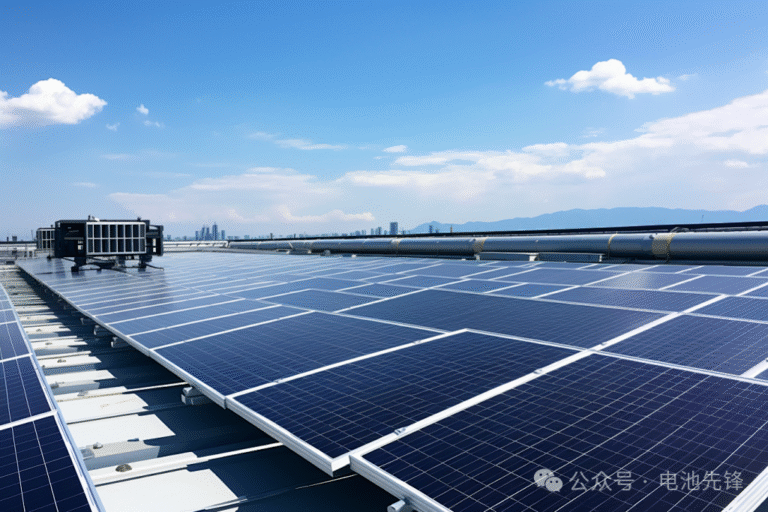
Many small retailers sit on time-of-use or demand tariffs. Charging the battery off-peak and discharging through the expensive afternoon window lowers energy cost, and pairing it with a roof solar array stores midday sun for the evening reading crowd. For a shop, small business energy storage economics often beat a home because commercial rates punish peaks harder and the avoided lost-sale hours are worth more than the kWh saved.
Bookstore Storage Comparison
| Need | Essentials-only | Full-day backup | Solar + arbitrage |
|---|---|---|---|
| Size | 5–10 kWh | 10–20 kWh | 15–30 kWh |
| Covers | POS, lights, Wi-Fi | + cafe fridge, HVAC | + daily bill cut |
| Payback driver | Uptime | Uptime + outages | Energy savings |
Deployment Tips
Move the POS, router, lighting and cafe circuit onto a backed-up sub-panel so a modest battery covers what actually loses money during an outage. Choose a unit with a certified inverter and remote monitoring, and size for at least one full storm-day of autonomy. Good bookstore backup power is invisible — customers never notice the grid dropped, the card reader keeps beeping, and the lights stay warm.
Protecting the Stock
Paper, glue and electronics all dislike heat and damp. A battery-backed HVAC or at least a dehumidifier on the essential panel keeps the back room stable during a summer outage, when a closed, uncooled shop can swell covers within a day. Treat climate as a critical load for a used-book or rare-book inventory, not a luxury, because a single humid weekend can undo stock you spent years collecting.
People Also Ask
Will it keep my card reader running? Yes — the POS and router are exactly the low-watt loads a small battery protects best.
Do I need solar too? No. A battery alone gives backup; solar simply adds free daytime energy and faster payback.
How fast is payback? Pure backup pays back by avoiding lost sales; adding arbitrage or solar commonly lands 4–7 years.
Can I add more capacity later? Most rack systems accept extra modules, so start with essentials coverage and expand as the cafe or event schedule grows.
Cost and Payback
A bookstore battery is cheap insurance compared with a single lost Saturday. A 5–10 kWh essentials unit is a modest capital outlay, and every outage it rides through without a closed sign pays it down a little more. Add time-of-use arbitrage or a small solar array and the same system starts cutting the monthly bill too, so the payback clock is running even on the days the lights never flicker. For a community bookstore that hosts readings and paid events, the backup also protects ticketed evenings that would otherwise be refunded.
Written by Karl at China Battery Technology. Request a quote.
Related reading: Home Energy Storage for Island Communities: Reliable Off-Grid Power