Home Energy Storage for Island Communities: Reliable Off-Grid Power
Home Energy Storage for Island Communities: Reliable Off-Grid Power
Islands that import diesel by barge pay some of the highest electricity costs on earth, and a missed delivery means dark homes and silent clinics. A well-designed home energy storage system paired with solar or wind lets island households, schools, and small businesses cut fuel bills and ride through supply gaps. For communities far from any grid, storage is not a luxury — it is the backbone of resilient power.

Why Islands Need Storage
Diesel generation is reliable only as long as fuel arrives, and the delivered cost can exceed USD 0.50 per kWh once freight and spares are counted. Solar is cheap in sunshine but useless at night without a battery. Storage shifts midday solar into evening use, smooths variable wind, and provides seamless backup when the generator is down for maintenance. The result is lower bills and fewer blackouts.
Sizing for a Household
A typical island home uses 8–20 kWh per day. Size the battery to cover at least one full evening-to-morning load plus a refrigerator and any medical device, then match solar to refill it by midday. All-in-one units with a built-in inverter simplify installation and let a technician commission the system in a day. Prioritize units rated for high humidity and salt air.
Cooling and Corrosion Protection
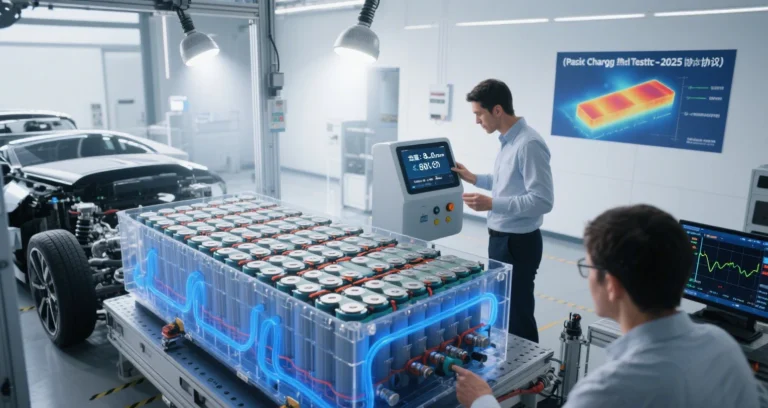
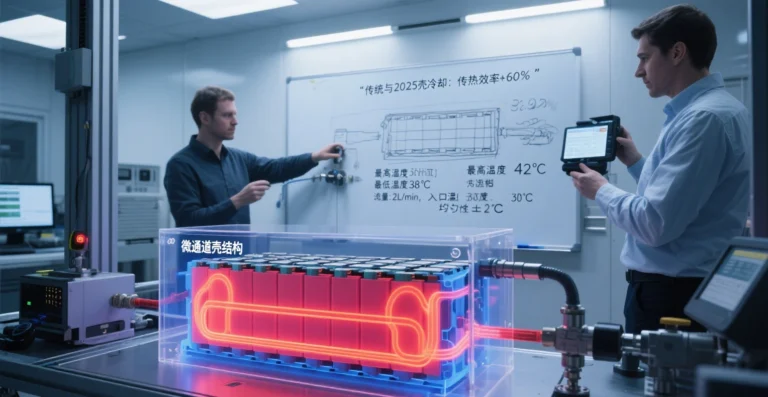
Coastal air is brutal on electronics. Specify enclosures rated IP65 or better, conformal-coated boards, and active or passive cooling that keeps cells in their happy 15–35 °C band without drawing too much of the stored energy. Mount the battery under shade and away from direct sea spray; a small breezeway beats a sealed box in tropical heat.
Island Storage Comparison
| Option | Upfront cost | Fuel saved | Resilience |
|---|---|---|---|
| Diesel only | Low | None | Low (fuel-dependent) |
| Solar + small battery | Medium | Partial | Medium |
| Solar + full home storage | Higher | High | High |
| Microgrid + shared storage | Highest | Very high | Very high |
Community-Scale Options
Where several homes share a shoreline, a small community microgrid with one larger shared battery often beats many tiny systems: bulk cells are cheaper per kWh, and one trained operator maintains the site. Schools and health posts should get priority circuits so vaccines stay cold and classes continue through outages. Tie the system to a generator only as backup, not as the primary source.
Choosing the Right Supplier
Work with a supplier experienced in tropical, off-grid installs who can size the array and battery together, supply marine-grade enclosures, and train a local technician. Ask for remote monitoring so a fault is caught before the lights fail, and confirm spare parts and warranty support are reachable without a freight delay.
Financing and Community Grants
Upfront cost is the main barrier for remote islands, but several routes soften it. Development banks and climate funds now co-finance solar-plus-storage that displaces diesel, because every tonne of fuel not burned is a measurable emission cut. Some suppliers offer lease-to-own or pay-as-you-save models where the monthly payment stays below the old fuel bill from day one, so the community improves power without a cash shock.
Start with one demonstrator — a school or clinic — to prove the system through a full season, then scale to homes once locals have seen it ride a storm. Documented savings from the pilot make the next grant application far easier, and trained operators from the first site become the trainers for the rest of the island.
People Also Ask
Will storage pay back on an island? Often within 3–6 years, because every kWh stored displaces expensive imported diesel; payback is faster the higher the local fuel cost is.
Can a battery run a whole home? Yes, if sized to evening load and paired with enough solar or wind; most homes start by backing up essentials and expand as budget allows.
Written by Karl at China Battery Technology. Request a quote.
Related reading: Home Energy Storage for Mobile Clinics: Power Where the Road Ends