Sodium-Ion Battery for Marine Buoys: Maintenance-Free Offshore Power
Sodium-Ion Battery for Marine Buoys: Maintenance-Free Offshore Power
Navigation buoys, tidal gauges, and offshore sensor platforms sit for years with no crew and no grid. They need a battery that survives salt spray, cold water, and long idle periods without a service visit. A sodium ion battery is an increasingly practical choice for this duty: it is abundant, intrinsically safer than high-energy lithium, and holds charge well through the freezing winters that kill lead-acid and stress LFP.
Why Buoys Are a Hard Battery Application
A buoy battery must deliver small, steady loads — LED beacon, AIS transmitter, data logger — and accept irregular solar or wave-energy input. It also has to survive being sealed in a damp housing for a decade. Lead-acid sulfates if it sits partially charged; lithium iron phosphate is better but loses capacity in sustained cold; sodium-ion keeps working and self-discharges slowly, which is exactly the profile an unattended buoy needs.
Cold-Water Performance
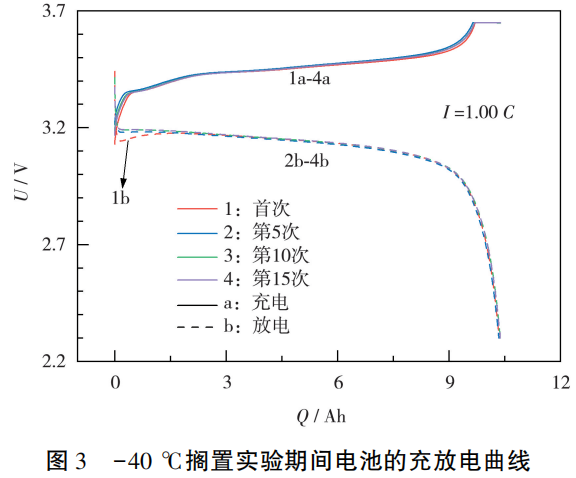
Buoys in northern waters spend months near 0 °C. Sodium-ion retains more than 90% capacity at −20 °C without heaters, while LFP needs thermal management that draws the very energy the buoy is trying to save. That cold resilience directly extends the interval between service ships, cutting the largest cost in buoy upkeep: the vessel visit.
Safety and the Marine Environment
Sodium cells avoid the dendritic and thermal-runaway modes of high-nickel lithium, so a sealed buoy housing needs less aggressive fire isolation. Combined with abundant, non-critical raw materials, sodium-ion also removes supply-chain risk for agencies buying hundreds of units. The lower energy density barely matters offshore, where weight and space are not the binding constraints.
Marine Buoy Battery Comparison
| Attribute | Sodium-Ion | LFP (LiFePO4) | Lead-Acid (AGM) |
|---|---|---|---|
| Capacity at −20 °C | >90% | ~70–80% (needs heat) | <50% |
| Self-discharge / month | Low | Low | High (sulfation) |
| Service interval | 5–10 yr | 3–6 yr | 1–3 yr |
| Intrinsic safety | High | High | Medium |
| Material supply risk | Low | Medium | Low |
Sizing and Integration
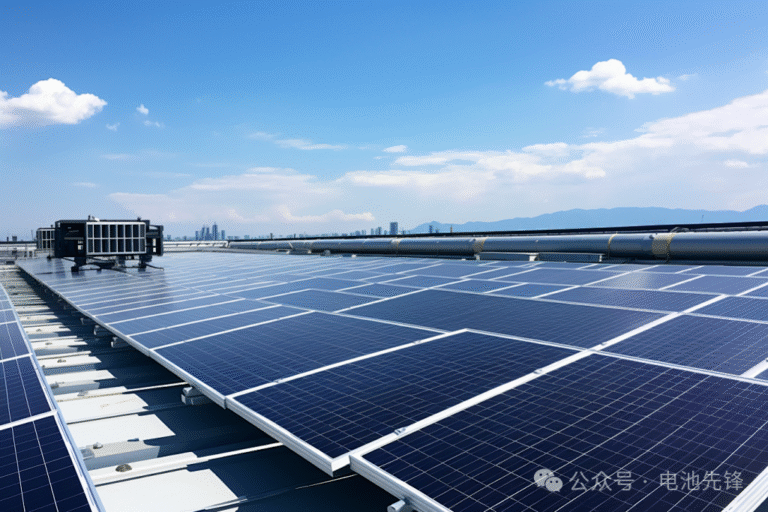
Size the bank to the worst-case dark period plus beacon duty, then add margin for cloudy weeks. Pair sodium cells with a solar panel sized for the annual low-sun month and a charge controller that supports sodium’s slightly different voltage window. Specify IP68 housing, marine-grade connectors, and a BMS that reports state-of-charge via the buoy’s satellite link so operators know before the light fails.
Deployment and Monitoring
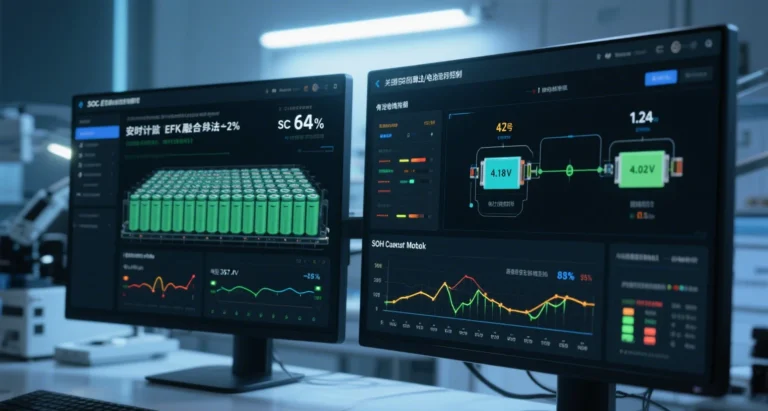
Because sodium-ion tolerates long storage and partial state of charge, buoys can be shipped pre-charged and installed without a conditioning cycle. Remote telemetry lets a port authority schedule the single battery swap a decade needs, rather than annual lead-acid refreshes. That turns a maintenance headache into a set-and-forget asset.
Hybrid Solar and Wave Charging
Most modern buoys pair the sodium bank with a small deck-mounted solar array and, on wave-exposed sites, a tiny turbine or pendulum generator. The sodium cell’s tolerance for partial state of charge means it happily buffers the uneven morning sun and choppy midday generation without a full conditioning cycle. Size the solar to refill the beacon’s overnight draw plus a margin for the cloudiest month, and let the BMS throttle input so the cold cell is never forced to accept more than it can take.
Where wave energy is available, a hybrid source cuts the solar panel size and weight on the mast, lowering the centre of gravity and improving stability in heavy swell. The sodium bank then acts as the quiet reservoir that keeps the light flashing through a week of grey, windless weather — the exact failure mode that leaves lead-acid buoys dark.
People Also Ask
Is sodium-ion ready for offshore use? Yes — its cold tolerance, low self-discharge, and safety make it well suited to unsealed, unattended marine housings, with field trials running since the early 2020s.
How does it compare on cost? Sodium cells are typically cheaper per watt-hour than LFP at volume, and the longer service interval removes most of the lifetime vessel-visit cost that dominates buoy budgets.
Written by Karl at China Battery Technology. Request a quote.
Related reading: Sodium-Ion Battery for Offshore Platforms: Safer Remote Power