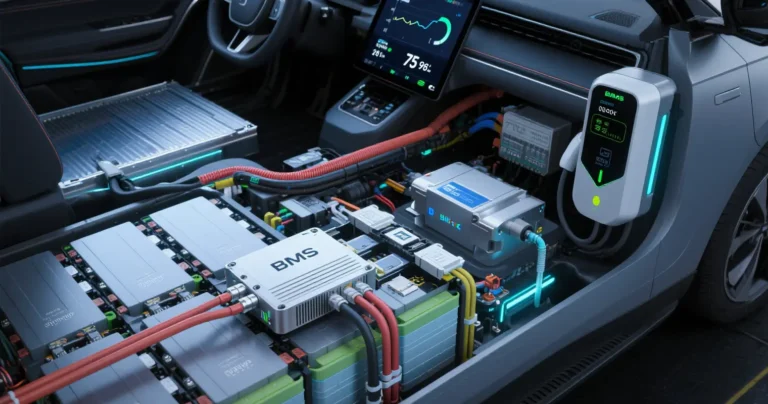
Home Energy Storage for Off-Grid Cabins: Live Comfortably Beyond the Grid
Home Energy Storage for Off-Grid Cabins: Live Comfortably Beyond the Grid
An off-grid cabin lives or dies by its battery bank. There is no utility to fall back on, so the stored energy must carry lights, refrigeration, water pump, and often heating through cloudy stretches and winter nights. A well-specified home energy storage system turns intermittent solar or a small generator into round-the-clock comfort, letting you build far from the nearest pole without sacrificing the basics.
Designing an Off-Grid Cabin Power System
Off-grid design starts with the load list, not the panels. Write down every device, its watts, and how many hours a day it runs, then add the surge loads — a well pump or induction cooktop can briefly draw several times its rated power. The inverter must cover the largest simultaneous surge, while the battery must cover the longest stretch without sun. Oversize the battery before the array; a bigger pack is cheaper insurance than a generator running every evening. A common mistake is sizing solar to a perfect summer day and forgetting the low-angle winter sun; build the battery for the worst month and let the array be a topping-up source rather than the sole provider.
Sizing Battery Capacity to Your Loads
Multiply daily watt-hours by the number of autonomous days you want (two to three is a common target), then divide by the usable depth of discharge (about 80% for LiFePO4). A cabin using 5 kWh a day with three autonomy days needs roughly 19 kWh of usable storage. Keep the battery in a temperature-stable space — a vented cabin closet or insulated outbuilding — because cold temporarily reduces available capacity. Track real draw with a clamp meter for a week before buying, because guesses almost always run low; the difference between 4 kWh and 6 kWh a day compounds across three autonomy days into a far larger and costlier pack than owners expect.
Off-Grid Cabin Storage Comparison
| Attribute | LiFePO4 | Lead-Acid (AGM) | Nickel-Iron |
|---|---|---|---|
| Usable DoD | ~80% | ~50% | ~80% |
| Cycle life | 4000–7000 | 500–1000 | 2000+ |
| Weight | Low | High | Very high |
| Winter behavior | Good (insulated) | Poor when cold | Good |
| 10-year cost | Low | High | Medium |
Charging: Solar, Generator, and Hybrid
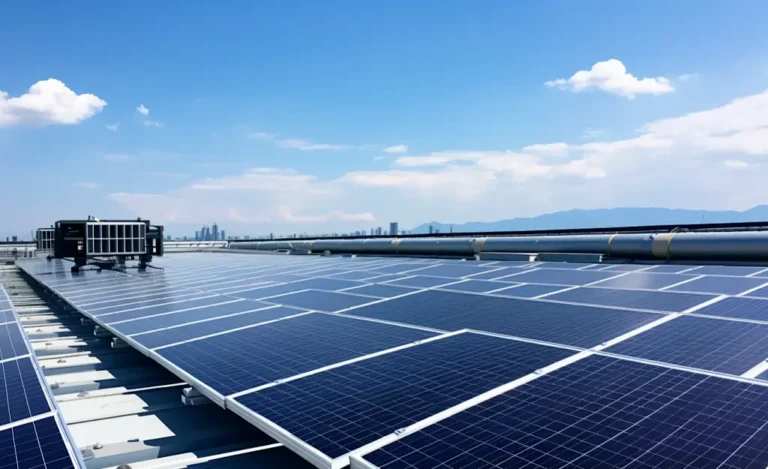
Roof or ground-mount solar is the primary charger, but a hybrid inverter that also accepts a generator input removes the anxiety of a long storm. Set the generator to auto-start only when state-of-charge falls below a floor, so it runs minutes a week instead of hours a day. Where wind or a stream is available, a small turbine or micro-hydro can top up the same bank and smooth the seasonal gaps that solar alone cannot fill.
Maintenance and Winter Operation
LiFePO4 is nearly maintenance-free, but the system still wants attention: keep terminals tight, verify the BMS communication, and exercise the generator monthly so it starts when needed. In deep cold, house the battery above freezing with passive insulation or a low-watt pad heater powered from the pack itself; this protects capacity and extends life far more than any extra solar would.
People Also Ask
How many batteries do I need for an off-grid cabin? It depends on your daily use and autonomy days; a typical weekend cabin needs 10–20 kWh, a full-time residence 20–40 kWh or more.
Can I run a well pump and fridge together? Yes, if the inverter is sized to the pump’s start surge; size for the largest motor, not the sum of running watts.
Do I still need a generator? Not strictly, but a hybrid generator backup is the cheapest insurance against weeks of poor sun in remote cabins.
Is lithium safe in a small cabin? LiFePO4 in a sealed, vented enclosure with a BMS is the standard safe choice for occupied spaces.
Written by Karl at China Battery Technology. Request a quote.