Battery Application Solutions for Wineries: Power Through Harvest
Battery Application Solutions for Wineries: Power Through Harvest
A winery’s electrical load swings harder than almost any other food business. Crush season stacks pumps, presses, destemmers, and refrigeration into a few intense weeks, while a single outage during fermentation can spoil a tank worth tens of thousands of dollars. Purpose-built battery application solutions let estate and contract wineries shave demand peaks, ride through grid drops, and store solar without rewiring the whole cellar.
Why Wineries Need Resilient Power
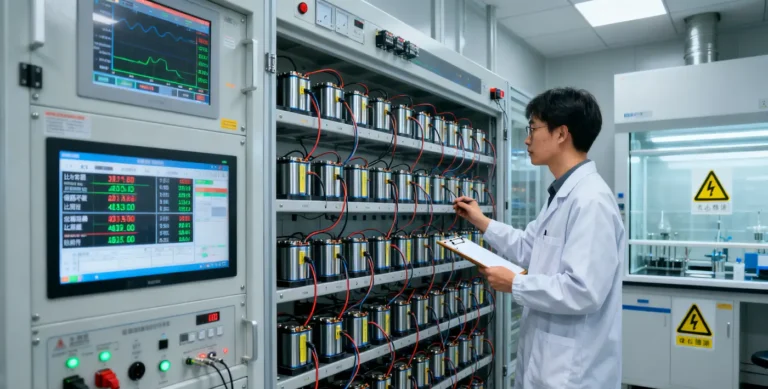
Fermentation is a controlled biological process that does not forgive a power cut. Chillers holding must at 10–15 °C, glycol loops feeding tank jackets, and lab instruments all stop together the moment the line goes dark. A stationary battery on a backed-up sub-panel keeps the critical draw alive for hours, protecting both the vintage and the health permits that depend on continuous cold. Many smaller estates lack a redundant grid feed, so a brownout during crush can halt an entire day’s fruit intake; the battery buys the minutes needed to shed non-critical loads and keep only the must moving.
Harvest-Season Demand Peaks
Many vineyard tariffs bill on the highest 15-minute demand of the month. A destemmer and a rotary press starting at the same instant can set a peak that you pay for all year. A battery discharges during those spikes, capping metered demand and trimming the demand portion of the bill by 15–35% in typical cellar profiles. The same pack absorbs midday solar that would otherwise export at a low feed-in rate.
Sizing a Winery Battery
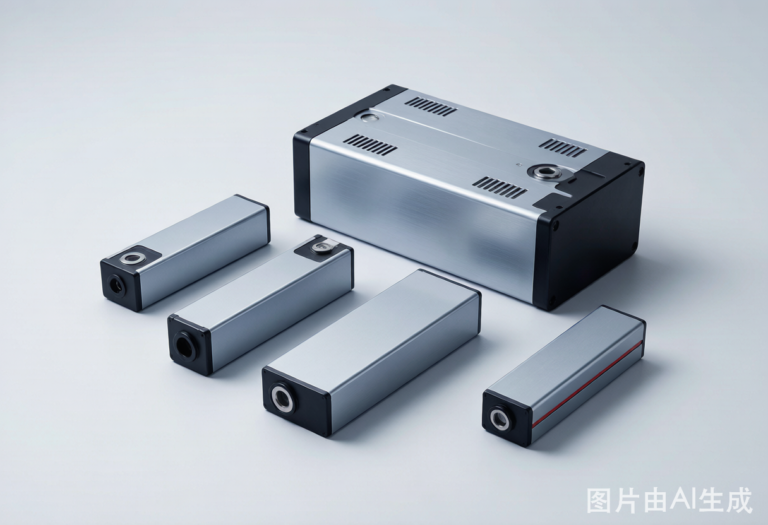
Start from the critical load: glycol chiller, one tank jacket loop, lab fridge, and the cellar controller. Size the inverter to that simultaneous draw, then add two to four hours of usable energy so a short outage never becomes a spoiled lot. If you also want peak-shaving, add capacity equal to one full harvest-day spike cycle plus a safety margin. Pair the battery with a PCS that accepts both PV and a standby generator as inputs. Most cellars stage the load so the press and chiller never pull at once, and a simple sequence timer on the controller prevents the two largest draws from stacking even if an operator forgets.
Winery Storage Comparison
| Attribute | LiFePO4 | Lead-Acid | Flow (vanadium) |
|---|---|---|---|
| Cycle life | 4000–7000 | 300–500 | 12000+ |
| Daily harvest use | Excellent | Poor | Good |
| Footprint | Compact | Large | Large |
| 10-year cost | Low | High | Medium |
| Maintenance | None | Watering | Electrolyte check |
Integration With Solar and Generators
Most vineyards already have rooftop or carport solar from tasting-room loads. A battery turns that array into harvest insurance: midday excess charges the pack, the pack carries the evening press run, and a generator can top up overnight only when the sun fails for days. Choose an all-in-one unit with remote monitoring so the cellar team sees state-of-charge on a phone instead of climbing to the battery room.
People Also Ask
Will a battery keep my glycol chiller running through an outage? Yes — if the chiller sits on the backed-up sub-panel and the inverter is sized to its start surge, a correctly sized pack covers several hours of cooling.
Is lithium safe in a warm cellar? LiFePO4 with a certified BMS and IP-rated enclosure is the standard choice; it runs safely in the 0–40 °C band typical of bonded warehouses.
Can I add storage to an existing solar array? Usually yes — most PCS units retrofit behind the meter and work with or without PV already installed.
How long does payback take? For wineries with high demand-charge or outage exposure, 3–6 years is common, faster where feed-in rates are poor.
Written by Karl at China Battery Technology. Request a quote.