Semi-Solid Battery for Defense and Aerospace Systems
Semi-Solid Battery for Defense and Aerospace Systems
Military and aerospace platforms demand power that survives gunfire vibration, altitude, extreme temperature, and years of standby — without swelling or venting near personnel or avionics. A semi solid state battery offers a pragmatic step up from liquid lithium: higher energy density and far better abuse tolerance, with a manufacturing path mature enough to qualify today.
Why Legacy Cells Fall Short
Liquid-electrolyte Li-ion swells under overcharge, leaks if punctured, and can enter thermal runaway when crushed or shorted — unacceptable inside a crewed cabin, a UAV, or a soldier’s pack. Flammability also complicates certification for aircraft and sealed enclosures. Replacing most of the liquid with a solid or semi-solid electrolyte sharply reduces those risks while raising how much energy fits in a fixed volume.
Where Semi-Solid Wins
Reduced free electrolyte means lower fire load and better behavior under nail penetration and crush tests. The higher volumetric energy density shrinks battery mass on weight-sensitive UAVs and man-portable gear, extending mission time. Lower self-discharge keeps reserve batteries ready through long storage, and the cells tolerate a wider temperature band than commodity pouch cells. For aerospace, every kilogram saved on the battery is payload or range recovered.
Defense Power Comparison
| Attribute | Semi-Solid | Liquid Li-ion | Full Solid-State |
|---|---|---|---|
| Energy density | High | Medium | Highest |
| Abuse tolerance | High | Medium | Very high |
| Self-discharge | Low | Medium | Very low |
| Maturity / supply | Medium | Very high | Low / scaling |
Qualification and Integration
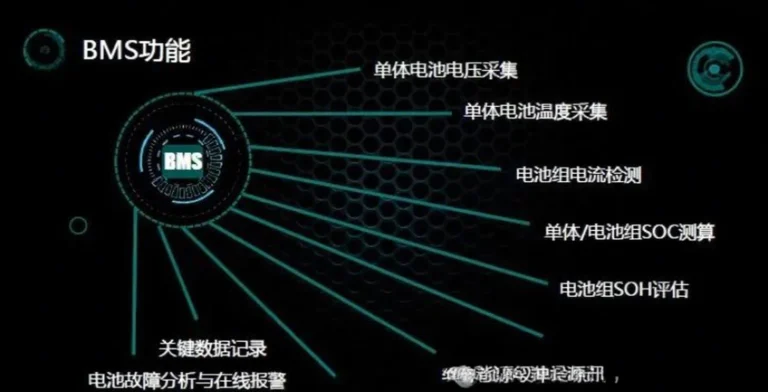
Defense programs require traceable cells, MIL-STD vibration and thermal shock testing, and a BMS that reports state-of-charge over the platform bus. Work with a supplier that can deliver documented cells and small pilot runs, validate against the specific environmental profile (altitude, EMI, salt fog), and plan for the long certification lead time aerospace demands. Build spare-cell logistics early so a qualified pack can be sustained across the platform’s service life.
Safety and Lifecycle
The lower free-electrolyte design also simplifies enclosure and fire-suppression requirements, which matters in sealed crewed compartments and pressurized airframes. Expect conservative depth-of-discharge limits in qualifying flight, paired with a battery health management plan so operators can retire cells on data rather than calendar alone — protecting both safety margin and budget.
People Also Ask
Are semi-solid cells available for programs now? Yes — qualified semi-solid cells are shipping for premium and defense-adjacent applications through 2025–2026.
When will full solid-state be fielded? Broad military-grade solid-state is still scaling; semi-solid is the available, lower-risk option for programs needing improved safety today.
Buyer’s Checklist
Before you commit, confirm four things: cells are traceable semi-solid units from a named supplier with MIL-STD evidence; the BMS reports state-of-charge and temperature on your platform bus; the enclosure rating fits the altitude, EMI, and salt-fog profile; and the vendor will support a multi-year qualified-cell supply. Run a graded pilot — ground test, then a non-critical airframe — before core platforms, and stand up spare-cell logistics so the pack can be sustained for the platform’s full service life. Retire cells on health data, not just calendar age, to protect both safety margin and budget.
Written by Karl at China Battery Technology. Request a quote.