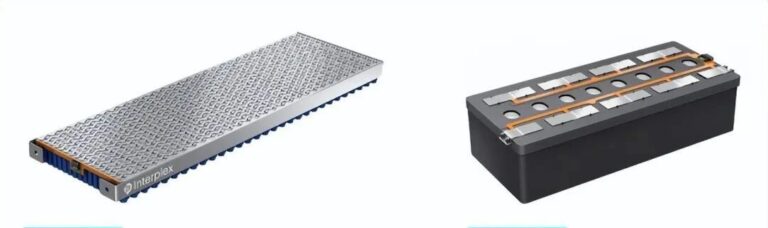
Second Life EV Battery for Home Storage
Second Life EV Battery for Home Storage
Electric-car packs retire at ~70-80% capacity — still useful for stationary duty. A second life EV battery home storage project can deliver cheap kilowatt-hours, but only with the right testing and controls. It can complement a new home energy storage system, and battery application solutions specialists handle the integration.
The Appeal and the Catch
Used modules cost a fraction of new cells, and stationary storage does not need peak density. The catch is variability: cells age unevenly, some modules may be weak, and safety depends entirely on proper grading and a competent BMS.
What a Safe Build Requires
Each module must be capacity- and resistance-tested, grouped by health, fitted with a BMS that understands mixed-age cells, and enclosed in a ventilated, weather-rated cabinet. Skipping grading is how second-life projects fail.
Cost vs New LFP
Second-life can be cheaper per kWh, but add labour, testing, and a shorter remaining life. For many homeowners, a new LFP system with a full warranty is the lower-risk choice despite higher upfront cost.
| Option | Upfront | Warranty | Risk |
|---|---|---|---|
| Second-life EV | Low | Weak/none | Medium-high |
| New LFP | Higher | 5-10 yr | Low |
Who Should Consider It
DIY-capable owners with a tested pack and strong electrical skills, or turnkey programs from reputable recyclers, are the realistic paths. Always confirm local code compliance and never bypass safety equipment.
Frequently Asked Questions
Is it legal at home? Often yes if code-compliant and properly enclosed; check local rules.
How long will it last? Less than new — remaining life depends on the pack’s prior use.
Is it worth it? For skilled builders, yes on cost; for most, new LFP is safer and simpler.
Written by Karl at China Battery Technology. Request a quote.