Home Energy Storage for Summer Camp: Keep the Lights On Off-Grid
Home Energy Storage for Summer Camp: Keep the Lights On Off-Grid
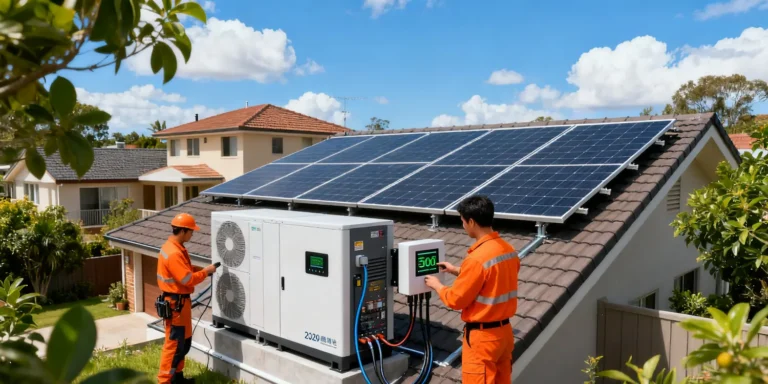
A home energy storage system is not just for suburban houses — it is a natural fit for summer camps where the grid is a mile away or simply absent. Bunkhouses, mess halls, and activity centers all need lights, refrigeration, and device charging without the noise and fuel logistics of a generator. An all-in-one battery paired with camp solar lets a site run silently through the night and keep food safe, even when the sky is cloudy for a day or two.
What Camp Actually Draws
Camp loads are predictable: LED lighting and Wi-Fi in the evening, a refrigerator running continuously, and occasional surges from water pumps or power tools during maintenance. Unlike a house, a camp rarely needs air conditioning, so a modest battery covers the essentials comfortably. The trick is to size for the longest low-sun stretch of the season, not the average day, so a rainy week never becomes a spoiled-food week that sends campers home early.
Sizing a Camp System
Start by listing every load with its watts and daily hours, then add a 20% margin for inverter losses and future expansion. A typical bunkhouse — lights, a small fridge, device charging, and a router — lands around 8–15 kWh of storage, while a full mess hall with walk-in cooler pushes toward 25–40 kWh. Pair the battery with enough solar to refill it by midday, and choose a unit with a backed-up sub-panel so the kitchen fridge stays on even if the bunkhouse circuit is dark.
Camp Power Comparison
| Option | Daily energy | Noise | Fuel/logistics |
|---|---|---|---|
| Battery + solar | 8–40 kWh | Silent | None |
| Diesel generator | Unlimited | Loud | Weekly fuel run |
| Grid tie (if available) | Unlimited | Silent | Utility bill |
Safety and Critter-Proofing
Mount the battery in a ventilated, lockable enclosure raised off the ground and screened against mice and raccoons, who will chew any exposed cable given a night. Keep the inverter dry and the wiring in conduit, and post a simple “do not unplug” sign at camper eye level. A clean, protected install is the difference between a system that lasts a decade and one that fails in its first season.
Off-Season Storage
When camp closes, disconnect loads, leave the pack at 50–70% state-of-charge, and store it above freezing in a dry place. A quarterly top-up charge through the winter prevents the deep self-discharge that silently kills idle lead-acid banks. In spring, a quick capacity check confirms the system is ready before the first bus arrives.
Monitoring and Staff Training
Add remote monitoring so the camp director gets a phone alert when state-of-charge drops below 30%, well before lights go out at dinner. Teach counselors the two-button shut-down routine — disconnect loads, then switch the unit off — so a rainy-week handover never leaves the system confused. Post the daily load plan where the kitchen and activities leads can see it, and the battery becomes part of camp routine rather than a mystery box in the woods that nobody is quite sure how to run.
People Also Ask
Will a battery really run the kitchen fridge? Yes — a 10–15 kWh pack covers a small camp fridge plus lighting for a full day, and solar refills it daily.
Is it safe around kids? Modern all-in-one units are sealed, fused, and weather-rated; installed in a locked enclosure they are far safer than a running generator near activities.
What if we get a week of rain? Size the battery for two to three sunless days plus a margin, and keep a quiet generator as emergency backup only — most camps never need it.
Written by Karl at China Battery Technology. Request a quote.
Related reading: Home Energy Storage for Island Communities: Reliable Off-Grid Power