Whole House Home Battery Backup: What It Really Takes
Whole House Home Battery Backup: What It Really Takes
“Power everything” sounds simple, but true whole house home battery backup demands careful load maths, not just a big box. A properly specified home energy storage system keeps lights, fridge, internet, and even central HVAC alive through an outage. Here is what the design actually requires, with input from battery application solutions practice.
Two Paths: Critical Loads vs Full Panel
A critical-loads subpanel backs only essentials (fridge, lights, comms) and is cheaper. A full-panel setup uses a large inverter and transfer switch to power the entire house — more capacity and surge headroom, higher cost. Many homes choose critical loads plus one or two big items (like the well pump).
Sizing Capacity and Power
List run watts and start watts for each load, sum the running load for your target autonomy (e.g. 24h), and ensure the inverter’s continuous and surge ratings cover the total. Oversize the inverter’s surge by ~20% for motor starts.
Typical Whole-House Build
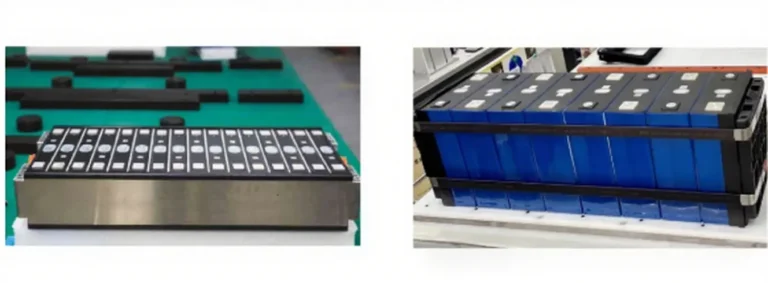
A common robust configuration is 20-30 kWh of LFP storage with a 10-12 kW inverter and solar input, giving a day of mixed use and fast recharge. Without solar, you need more capacity or a generator bridge.
| Approach | Capacity | Inverter | Covers |
|---|---|---|---|
| Critical loads | 10 kWh | 5 kW | Essentials |
| Whole house | 20-30 kWh | 10-12 kW | Everything |
| + Solar | + recharge | Hybrid | Multi-day |
Planning Tips
Reduce standby loads first (swap to efficient appliances), add soft starters to motors, and consider solar so the battery recharges during extended events. A qualified designer should model your real consumption, not guess.
Frequently Asked Questions
Can one battery power my whole house? Only a small one for essentials; whole-house needs 20 kWh+.
Do I need solar too? For outages longer than a day, solar or a generator is strongly recommended.
What is the biggest mistake? Undersizing inverter surge, so motors trip the system on start.
Written by Karl at China Battery Technology. Request a quote.