Home Energy Storage for Pet Grooming Salon: Quiet, Reliable Power
Home Energy Storage for Pet Grooming Salon: Quiet, Reliable Power
A pet grooming salon looks like a low-energy business until you read the meter. High-velocity dryers, heated hydro-bath water, clipper chargers, air purification and the reception air conditioning all overlap during the busy midday block. Many groomers work out of a converted garage or a home extension, so the natural fit is a home energy storage system sized for light commercial duty: it flattens the peaks, protects the appointment book from outages, and cuts the bill without a service upgrade.

Understanding the Grooming Load
Two force dryers at 2.2 kW each, a hydro-bath heater at 3 kW, lighting and ventilation at 0.8 kW and a small split system at 1.5 kW can put a salon above 9 kW for twenty minutes at a time. Daily consumption is modest, often 18 to 30 kWh, but the shape is spiky. That mismatch is why groomers frequently receive a supply-capacity warning or a demand charge that has nothing to do with total energy used.
Peak Shaving Without Rewiring
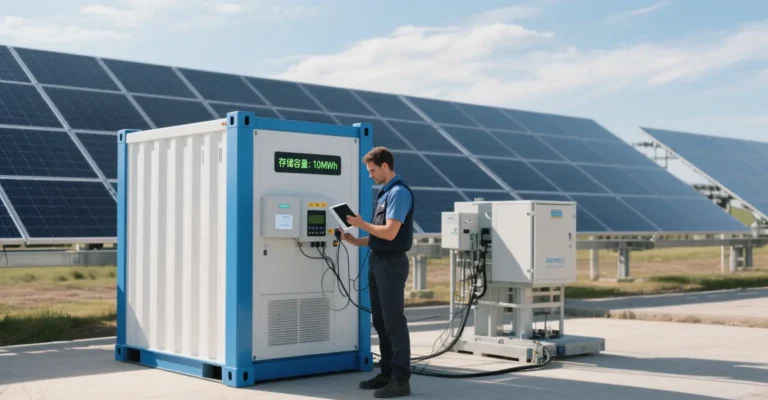
A 10 kWh battery with a 5 kW hybrid inverter absorbs the difference between the grid limit and the actual draw. When both dryers fire at once, the battery covers the surge and the meter never sees it. Between appointments the battery recharges from solar or from cheap off-peak grid energy. For most single-room salons this avoids a three-phase upgrade, which in many regions costs more than the entire storage system.
Outage Protection Is a Safety Issue
An outage during a bath is uncomfortable. An outage during a dryer cycle with an anxious animal on the table is a welfare risk, and a dark salon with wet floors and sharp tools is a liability risk. A storage system with an automatic transfer switch keeps the essentials live: lighting, ventilation, one dryer circuit, the card terminal and the door lock. Whole-shop backup is rarely necessary, and a partitioned critical-loads panel keeps the battery smaller and cheaper.
Sizing Guide by Salon Type
| Salon profile | Daily use | Battery | Inverter | Solar pairing |
|---|---|---|---|---|
| Home studio, one groomer | 12–18 kWh | 10 kWh | 3.6 kW | 3–4 kW |
| Two tables, hydro-bath | 20–30 kWh | 15 kWh | 5 kW | 5–6 kW |
| Salon plus daycare | 35–50 kWh | 25–30 kWh | 8–10 kW | 8–10 kW |
| Mobile grooming van | 6–10 kWh | 10 kWh (12/24 V) | 3 kW | 0.6–1 kW roof |
Why LiFePO4 Suits This Application
Grooming salons are occupied spaces with animals present, so thermal safety outranks energy density. Lithium iron phosphate has a high thermal runaway onset temperature, no cobalt, and a cycle life of 6000 or more, which means a daily-cycled salon battery is still above 80% capacity after fifteen years. Wall-mounted units run silently, which matters in a business where noise already stresses the clients.
Tariff Strategy
Most groomers work 09:00 to 17:00, which overlaps the expensive part of the day in almost every time-of-use tariff. Charging from solar at midday and from off-peak grid energy overnight lets the salon draw almost nothing at the peak rate. Where export tariffs are poor, self-consumption of solar through the battery is typically worth three to four times the feed-in credit.
Installation Details That Get Missed
Mount the battery outside the wet zone and away from the hydro-bath splash radius. Keep the inverter accessible for firmware updates. Specify an IP-rated enclosure if it goes in an unheated garage. Finally, ask the installer to program a reserve floor of at least 20% so an unexpected outage never finds the battery empty after a heavy solar-poor week.
People Also Ask
Will a home battery run a commercial force dryer? Yes, provided the inverter’s surge rating covers the dryer’s start-up draw. A 5 kW inverter with a 10 kW two-second surge handles two typical force dryers comfortably.
Is a battery worth it without solar? Often yes, if your tariff has a wide peak-to-off-peak spread or a demand charge. Arbitrage plus avoided demand charges can justify the system alone, and solar can be added later.
How much space does the system need? A 10 kWh wall unit occupies roughly the footprint of a large mirror, about 1.1 m by 0.6 m by 0.2 m, plus clearance for ventilation and service access.
Written by Karl at China Battery Technology. Request a quote.
Related reading: Home Energy Storage for Island Communities: Reliable Off-Grid Power