Home Energy Storage for Rec Center: Power That Keeps Members Moving
Home Energy Storage for Rec Center: Power That Keeps Members Moving
A community recreation center runs pools, gyms, rinks, and event halls on a single supply that is often strained by simultaneous peak loads. A well-specified home energy storage system — the same all-in-one battery class used behind the meter for homes and small businesses — lets a rec center shave demand peaks, ride through short outages, and store cheap off-peak energy for the afternoon crunch. For a facility that bills on demand charges and cannot afford a dropped compressor or a dark arena, storage pays for itself in reliability as much as in dollars.
Why Rec Centers Are Ideal Storage Sites
Rec centers have lumpy, predictable loads: morning lap swim, midday class surges, evening games, and weekend tournaments. That shape is perfect for a battery that charges when the building is quiet and discharges during the spikes. Unlike a data center, a rec center can tolerate a few seconds of grid transition, so a simple behind-the-meter battery with an automatic transfer function is enough — no microsecond UPS required. The result is a smoother bill and a building that stays open when the neighbors go dark.
Demand-Charge Relief
Commercial meters often bill on the highest 15-minute draw each month. A single pool-pump or ice-rink compressor start can set a peak you pay for all month. The battery discharges during those spikes, capping the metered peak and cutting the demand portion of the bill by 20–40% in typical cases. For a center running multiple chillers, that single feature often justifies the installation on its own, before you count any backup or arbitrage value.
Sizing and Runtime Comparison
| Goal | Typical size | Benefit |
|---|---|---|
| Demand-shave peak | 30–60 kWh | Lower monthly demand charge |
| TOU arbitrage | 40–80 kWh | Cheaper energy from night rate |
| Outage ride-through | 15–30 kWh | Keep pumps, lights, POS online |
| Solar self-use | 30–60 kWh | More on-site solar retained |
Chemistry and Enclosure
Stationary rec-center storage should use a lithium iron phosphate (LiFePO4) core for cycle life and thermal stability, housed in a ventilated, lockable enclosure rated for a public building. Spec a listed inverter with remote monitoring so staff can see state-of-charge on a phone, and confirm the unit meets local electrical and fire-code requirements before commissioning. A properly specified cabinet will deliver 10+ years of daily cycling with minimal maintenance.
Deployment Tips
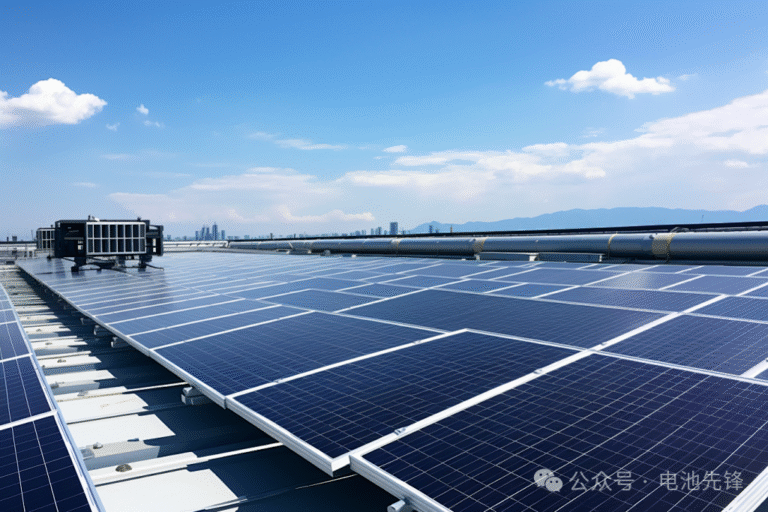
Put the critical loads — pool controller, ventilation interlock, lighting, and point-of-sale — on a backed-up sub-panel so a modest battery covers the draw that actually matters. Choose a certified all-in-one unit with a listed inverter and remote monitoring, and size the pack to cover at least one full demand-shaving cycle plus a safety margin. If the roof has PV, the battery stores midday excess that would otherwise export at a low feed-in rate and serves the evening peak instead. Schedule a quarterly visual inspection of connections and a yearly capacity test to protect the warranty.
People Also Ask
Will members notice the battery? No. It sits in a plant room or enclosure, switches in milliseconds, and runs silently — the only change is a steadier bill and fewer outage disruptions.
Is it safe in a public building? Yes. Certified stationary storage uses enclosed, thermally managed cells with fault isolation; most jurisdictions require only standard electrical permits and a fire-code review for the enclosure.
What if we add solar later? Most all-in-one units are PV-ready and retrofit behind the meter, so you can start with demand-shaving today and add panels without replacing the battery.
Written by Karl at China Battery Technology. Request a quote.
Related reading: Home Energy Storage for Island Communities: Reliable Off-Grid Power