Semi Solid State Battery for Robotic Vacuum: Thin, Safe, Long-Lasting
Semi-Solid Battery for Robotic Vacuum: Thin, Safe, Long-Lasting
Robot vacuums live or die by their battery. A pack that is too bulky raises the chassis and jams under furniture; one that swells or overheats is a safety recall; one that fades after a year frustrates the owner and kills the brand. A semi solid state battery answers all three problems — it is thinner and lighter than conventional cells, far safer than liquid-electrolyte lithium, and holds capacity far longer under the daily fast-charge cycles a robot endures.
Why Robot Vacuums Need a Better Cell
A robot runs short, frequent cleaning cycles, topping up at its dock several times a week. That is hundreds of partial charge-discharge loops per year, exactly the regime that ages a standard Li-ion pack. Semi-solid chemistry tolerates high charge rates and shallow cycling without the swelling and capacity cliff that shorten a cheap cylindrical cell’s life.
Thin Form Factor, Lower Profile
Replacing much of the liquid electrolyte with a composite or gel lets manufacturers build flatter, denser cells. That extra energy in the same height lets designers slim the robot, improving clearance under sofas and beds, or add runtime without a bigger battery door. For premium models where a few millimeters decide shelf appeal, that matters.
Robotic Vacuum Battery Comparison
| Attribute | Semi-Solid | Liquid Li-ion | NiMH |
|---|---|---|---|
| Energy density | High | Medium | Low |
| Swelling risk | Low | Medium | None |
| Thermal safety | High | Medium | High |
| Cycle life | 800–1500+ | 400–800 | 300–500 |
| Fast-charge | Good | Fair | Poor |
Charging and Battery Management
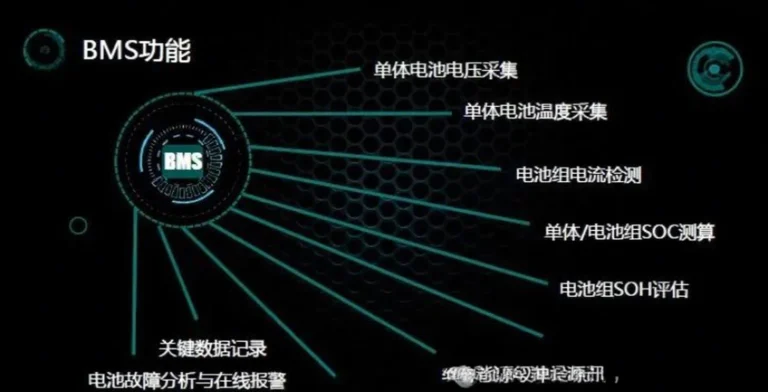
Because robots charge unattended on a dock, the pack needs a BMS that manages micro-current drain, prevents overcharge, and reports health to the app so the user replaces the cell before it strands the vacuum mid-room. Semi-solid’s fast-charge tolerance also supports “charge while emptying the bin” top-ups that keep a large home covered in a single session.
Safety and Longevity
Reduced free electrolyte sharply lowers the chance of leakage or thermal runaway inside a device that sits on carpets and charges overnight. The softer cell also tolerates the minor flex and vibration of daily cleaning. Specify a manufacturer with consumer-electronics-grade assembly, traceability, and the safety certifications required for an always-on household device.
Cost and Market Outlook
Semi-solid cells still carry a price premium over commodity Li-ion, which is why they appear first in premium robots rather than budget models. The economics improve as production scales through 2025–2026: the longer cycle life means fewer pack replacements over the product’s life, and the slimmer form factor can remove a mechanical redesign cost. For a brand competing on runtime and reliability, the total-cost case is already compelling.
What to Ask a Supplier
Request the rated cycle life at the robot’s real charge rate, the swell specification under load, and the cell-level safety test reports. Confirm the form factor matches the dock and chassis envelope, and that the BMS protocol is compatible with your firmware. A supplier with consumer-electronics certification and traceability protects you from the recall risk that a no-name cell would introduce into a device running unattended in homes.
People Also Ask
Are semi-solid batteries in robot vacuums yet? They are entering premium models as of 2025–2026, where the slim profile and longer life justify the cost over standard cells.
Will my old robot benefit? Only if the dock and BMS are redesigned for the new cell; semi-solid is a drop-in improvement at the design stage rather than a field retrofit for most current models.
Written by Karl at China Battery Technology. Request a quote.
Related reading: Semi-Solid State Battery for VR Headsets: Lighter, Safer Immersion