Sodium Ion Battery for Electric Passenger Ferry: Clean River and Harbor Transport
Sodium Ion Battery for Electric Passenger Ferry: Clean River and Harbor Transport
Operators running commuter and sightseeing ferries are under pressure to cut diesel smoke in ports and sensitive waterways. A sodium ion battery is becoming a practical choice for these electric passenger vessels because sodium cells are abundant, lower-cost, and intrinsically safer near crowded quays than high-energy chemistries. For a boat that spends hours at low speed and recharges between crossings, sodium’s trade-offs line up unusually well with the duty cycle.
Why Ferries Suit Sodium
Most passenger ferries run a predictable loop: a short, high-power acceleration leaving the dock, a long cruise at moderate load, then a recharge while passengers board. Sodium-ion handles that profile without the thermal anxiety of dense lithium, and its tolerance of cold water temperatures keeps capacity steady in shoulder-season service. Where the vessel is weight-sensitive (catamarans, fast commuters), designers may still prefer lithium, but for slower harbor and river shuttles sodium is a strong fit.
Marine Duty Requirements
Marine packs need IP67 sealing against spray and salt, shock and vibration resistance, and redundant contactors sized for a confined-space fire strategy. The battery management system must report state-of-charge and cell temperature to the bridge, support opportunity charging from shore power, and survive the humidity and condensation of a hull compartment. Sodium’s higher thermal-runaway threshold simplifies the enclosure and suppression design compared with some lithium formats.
Ferry Battery Comparison
| Attribute | Sodium-Ion | LFP (LiFePO4) | Lead-Acid |
|---|---|---|---|
| Energy density | Low–Medium | Medium | Low |
| Material cost | Lower | Medium | Low |
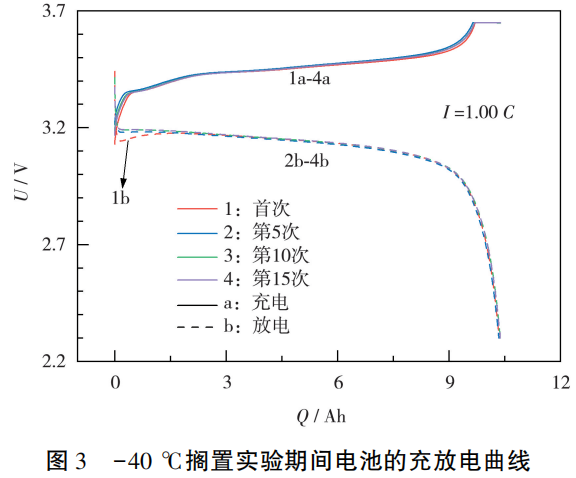
| Cold-water performance | Excellent | Good (needs heat) | Poor |
| Marine safety margin | High | Medium | Low |
| Cycle life | 3000–6000 | 4000–7000 | 300–500 |
Sizing a Ferry Pack
Size the usable energy to the longest scheduled round trip plus a reserve for weather and delay, and size peak power to a comfortable dock departure with a full passenger load. For a typical 30–60 minute crossing at low speed, a 200–600 kWh pack covers the loop with margin, and shore charging during turnaround keeps the pack small. Pair the battery with a marine-rated inverter and a charging scheduler that avoids peak grid rates.
Charging and Turnaround
The biggest operational win is opportunity charging. Because a ferry idles at the terminal while passengers board, a shore connection can replace most of the energy used on the previous crossing in 15–30 minutes. That turns a would-be overnight charge into a series of small top-ups, so the pack can be sized for the single crossing rather than the whole day. Use a water-resistant deck connector and a charger with automatic shore-power detection so the crew does nothing but plug in.
Emissions and Operating Cost
Replacing a diesel ferry with a sodium-ion electric one removes local NOx and particulate emissions from the harbor — a direct public-health win in busy waterways — and cuts fuel and maintenance cost. Sodium’s lower cell cost softens the upfront premium versus lithium, and the long cycle life keeps replacement cost low. Operators typically recover the premium through fuel savings and avoided engine overhauls over the vessel’s service life.
Getting the Most from the Pack
Train the crew on one simple rule — plug in at every terminal and never depart below a 30% reserve — and the sodium pack will outlast the boat’s intermediate refits. Log state-of-health monthly so capacity fade is spotted before it affects the schedule, and keep a spare cabin module on hand for the rare cell fault.
People Also Ask
Is sodium-ion safe for passenger boats? Yes — sodium’s higher thermal-runaway threshold and stable chemistry reduce fire risk in a confined hull, which is why regulators and operators favor it for crowded waterways.
How long does a ferry sodium pack last? Expect 8–12 years of daily cycling, with capacity warranties typically covering 3000–6000 cycles at moderate depth of discharge.
Can it run in freezing water? Yes — sodium-ion keeps most of its capacity in cold conditions without the pad heaters lithium would require, which matters for shoulder-season and northern routes.
Written by Karl at China Battery Technology. Request a quote.
Related reading: Sodium-Ion Battery for Offshore Platforms: Safer Remote Power