Sodium-Ion Battery for Mobile Phone Booth: Off-Grid Calling
Sodium-Ion Battery for Mobile Phone Booth: Off-Grid Calling
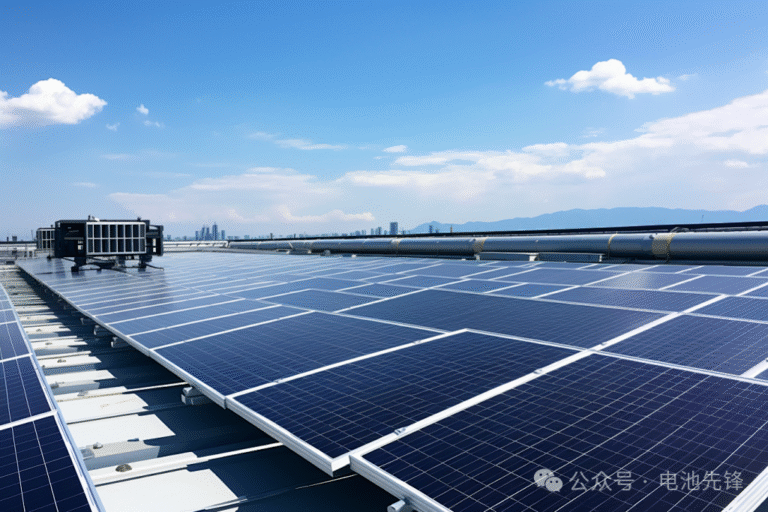
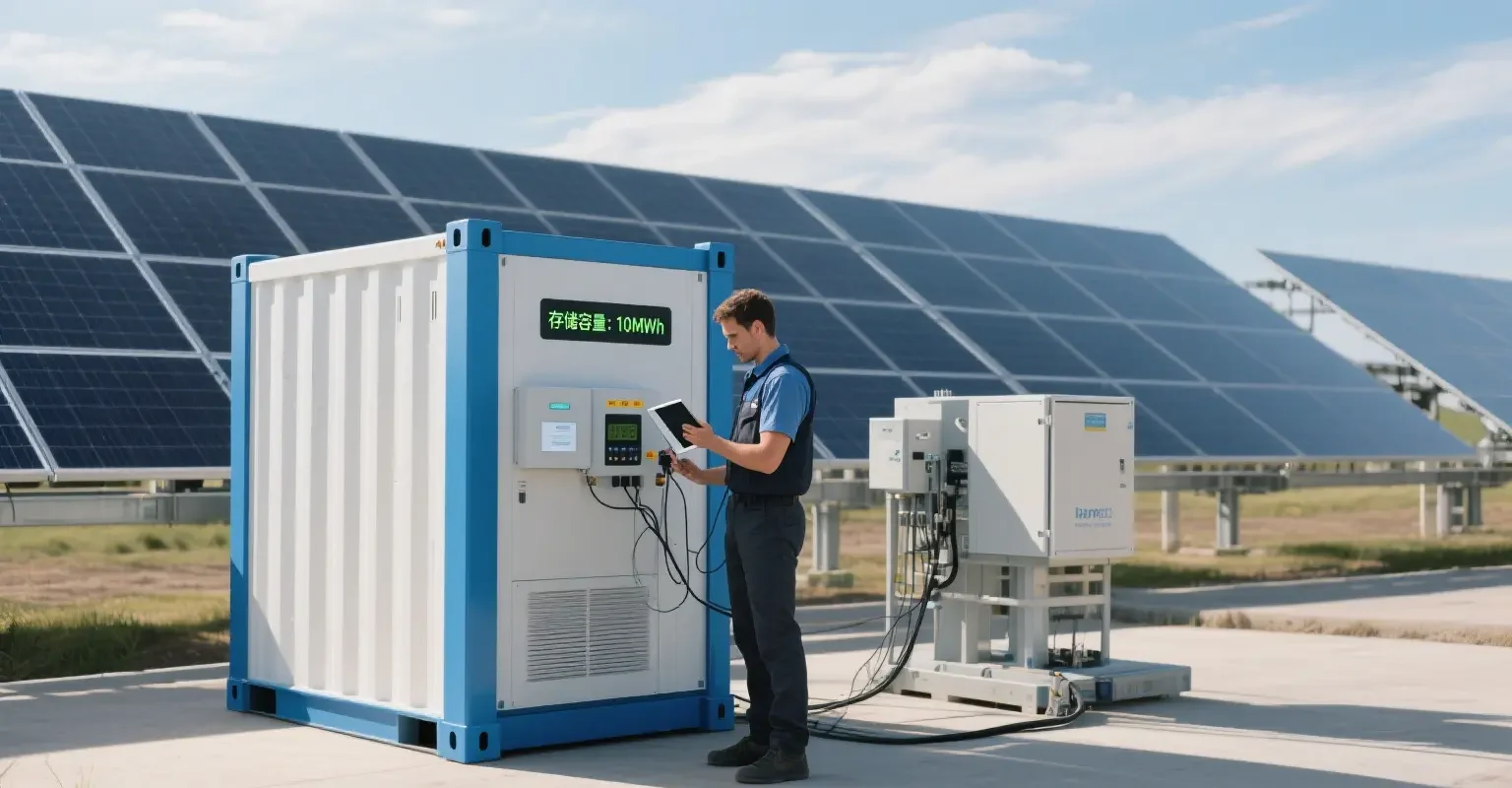
Events, camps, and remote worksites set up phone booths where the grid does not reach. A sodium ion battery is an increasingly practical choice for these solar-fed call stations: sodium is abundant and cheap, the cells stay safe in heat and cold, and the booth only needs modest, steady power for a screen, a handset, and a small router. For a box that lives outdoors year-round, those traits beat raw energy density.
Why Sodium for a Booth
A phone booth cycles daily — solar charges by day, the booth draws by night — and sits outdoors through summer and winter. Sodium-ion tolerates −20 °C without heaters and resists thermal runaway, so the enclosure stays simple and the insurance risk stays low. Material abundance also buffers the booth operator against lithium price swings, which matters when you deploy dozens of units across a festival or a mining camp. Because the booth load is small and predictable, sodium’s slightly lower energy density is irrelevant — there is always room for the cells in the base.
Sodium vs Lithium for This Load
The booth does not need maximum energy density; it needs durability and low cost per cycle. Sodium wins on both for a stationary, weather-exposed box where size is not the binding constraint. Lithium still leads where weight and space are tight, but a booth on legs cares more about total cost of ownership than about saving a few liters of volume.
Battery Comparison
| Attribute | Sodium-Ion | LFP (LiFePO4) |
|---|---|---|
| Material cost | Lower | Medium |
| Cold performance | Excellent | Good (needs heat) |
| Thermal safety | High | High |
| Energy density | Low–Medium | Medium |
| Cycle life | 3000–6000 | 4000–7000 |
Sizing and Siting
Size the bank for one to two nights of booth use plus a solar recharge margin, typically 1–3 kWh for a light-duty station. Mount the battery in a vented, lockable base, pair it with a small MPPT solar charge controller, and add a low-voltage disconnect so the cells never deep-discharge if the panel is shaded for days. Keep the compartment above ground and shaded to extend electronics life, and label the cutoff clearly so field staff can reset it without tools.
Maintenance and Monitoring
Because sodium-ion is forgiving, the booth needs little hands-on care: check the solar panel for dust monthly, confirm the state-of-charge readout remotely, and replace the pack only after several thousand cycles. A simple telemetry link lets an operator see every booth’s battery health from one dashboard instead of visiting each site. That remote visibility is what makes a sodium-ion booth fleet cheap to run.
Cost and Total Ownership
A sodium-ion booth battery is rarely the cheapest option per watt-hour on day one, but its long cycle life, minimal maintenance, and stable material cost make the lifetime bill low. When you multiply that across a fleet of booths — each one avoiding site visits, generator fuel, and premature replacements — the sodium choice usually wins on total cost of ownership rather than upfront price.
People Also Ask
Is sodium-ion available now? Yes — stationary sodium-ion packs are shipping for off-grid and backup use as of 2025–2026.
Does it need climate control? No. Sodium-ion runs safely across a wide temperature range, which is exactly why it suits outdoor booths.
How long between service visits? With solar recharge and remote monitoring, a well-sized booth can run a full season with only a periodic panel cleaning.
Written by Karl at China Battery Technology. Request a quote.
Related reading: Sodium-Ion Battery for Offshore Platforms: Safer Remote Power