Sodium Ion Battery for Micro-Mobility Sharing: Why Fleet Operators Are Switching
Sodium Ion Battery for Micro-Mobility Sharing: Why Fleet Operators Are Switching
Shared e-scooters and e-bikes are punished by daily use, rough handling, and operators who care most about cost per kilometer. A sodium ion battery is emerging as a strong alternative to lithium-ion in this market because the raw materials are cheap, abundant, and geopolitically stable, and the chemistry tolerates the shallow, frequent cycling that sharing fleets generate.
The Fleet Operator’s Math
For a sharing operator, a battery is not a technology showcase; it is a consumable. The cell must last through thousands of short rides, survive being thrown around by users, and not catch fire in a city center. Sodium-ion offers 3000–6000 cycles, operates safely at high temperatures, and uses no cobalt or nickel. That combination lowers total cost of ownership even though the pack is heavier than an NMC equivalent.
Cold and Heat Tolerance
Fleets in northern Europe need batteries that still deliver in winter; fleets in the Middle East and Southeast Asia need heat tolerance. Sodium-ion retains most of its capacity at −20 °C without heaters, and its thermal runaway threshold is higher than many lithium chemistries. That reduces the engineering and insurance burden for operators running mixed climates.
Micro-Mobility Battery Comparison
| Attribute | Sodium-Ion | LFP | NMC |
|---|---|---|---|
| Material cost | Lower | Medium | Higher |
| Cycle life | 3000–6000 | 4000–7000 | 1000–2000 |
| Cold performance | Excellent | Good (needs heat) | Poor |
| Heat tolerance | Good | Good | Moderate |
| Safety | Very high | Very high | Medium |
Swap and Maintenance Model
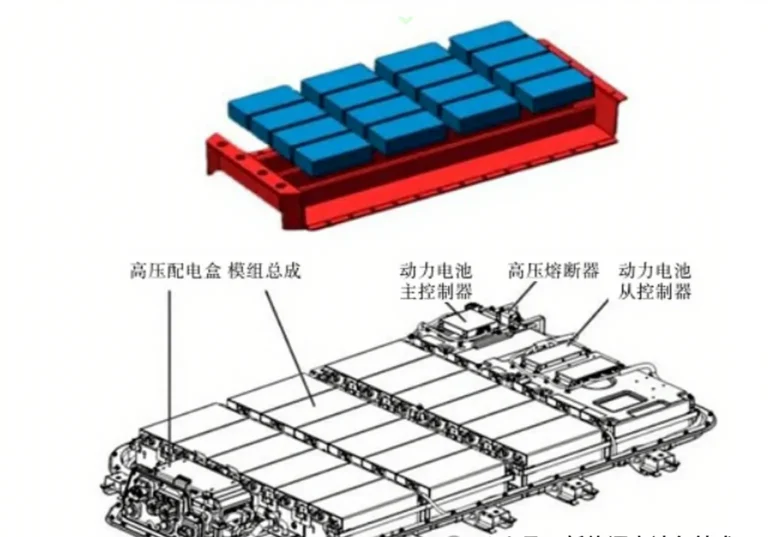
Sharing fleets rely on swap stations: a dead battery is pulled out and a charged one inserted in seconds. Standardized sodium-ion packs can share the same mechanical envelope across scooter models, simplifying logistics. Because sodium tolerates sitting at partial charge better than lead-acid, spare packs can wait in depots without degrading quickly, reducing the number of backups an operator must hold.
Recycling and Second-Life Pathway
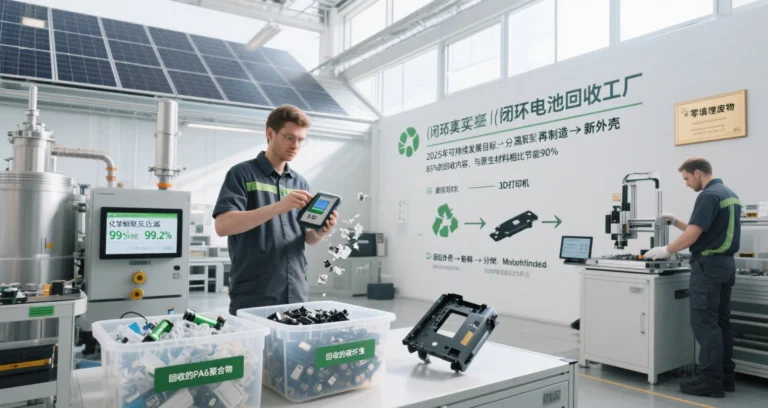
Sodium-ion cells use aluminum, iron, and sodium-based salts that are easier to recycle than cobalt-nickel chemistries. When a pack eventually degrades below fleet-use thresholds, it can often be redeployed in stationary energy storage for depots or charging stations, squeezing extra value out of the asset. That predictable end-of-life path makes the total cost calculation even more attractive for operators planning five-year budgets.
Real-World Pilot Results
Early operators report that sodium sharing packs need roughly 30% fewer depot visits for capacity-related issues, and insurance premiums trend lower because thermal-runaway risk is reduced. The heavier weight is rarely noticed by riders on short trips, but it does require stronger scooter frames and locks. Fleet data shows payback on the slightly higher upfront sodium pack is typically 12 to 18 months when swap labor and insurance savings are included.
When to Choose Sodium
Sodium makes sense when weight is not the primary constraint, cycle life matters, and cost stability is critical. It is less attractive for premium lightweight scooters where grams decide the ride feel. Fleet managers should run a pilot on one depot, measure real-world range, swap labor, and cell degradation, then scale.
Charging Infrastructure at Depots
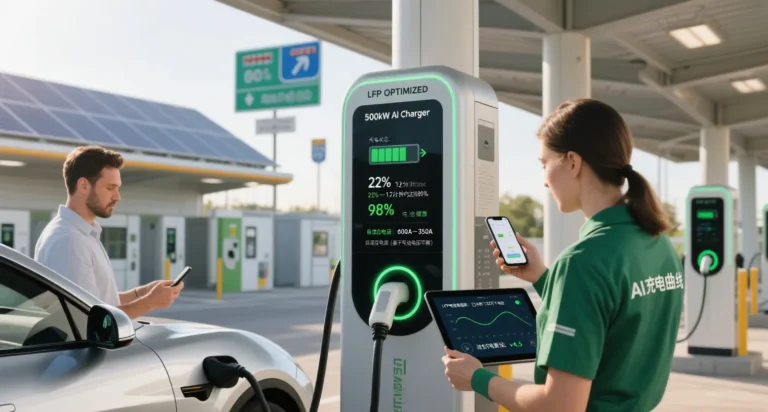
Sodium-ion accepts moderate charge rates without the same thermal anxiety as NMC, so depot charging can use simpler, cheaper chargers with less cooling. Operators typically install slow overnight charging for spare packs rather than expensive fast-charge stations, because the pack is already being swapped into a charged vehicle. That lowers the capital cost of depot build-out and keeps electricity demand within what a standard industrial supply can handle.
People Also Ask
Are sodium scooters available now? Pilot fleets are running in several countries as of 2025–2026, and commercial swaps are scaling in Asia and Europe.
How long does a sodium pack last in sharing duty? With proper thermal management, 4–6 years of daily use is realistic, versus 1–2 years for typical NMC sharing packs.
Written by Karl at China Battery Technology. Request a quote.