Battery Application Solutions for Water Quality Monitors
Battery Application Solutions for Water Quality Monitors
Water quality monitors track pH, dissolved oxygen, turbidity, and contaminants in rivers, reservoirs, and treatment plants. Many of these devices are deployed far from power lines, sending data over cellular or LoRa. The right battery application solutions design lets them run for months without a site visit, cut maintenance cost, and survive temperature swings and humidity that would shorten consumer cells.
What a Monitor Actually Needs
Water quality sensors do not draw much power at any single moment, but they run continuously and take frequent measurements. A typical station consumes 0.5–2 Wh per hour plus bursts for telemetry. The real enemy is standby drain and self-discharge: a bad cell design can waste more energy sleeping than it uses sensing. The battery must also tolerate outdoor humidity, condensation, and occasional flooding.
Cell Chemistry Choices
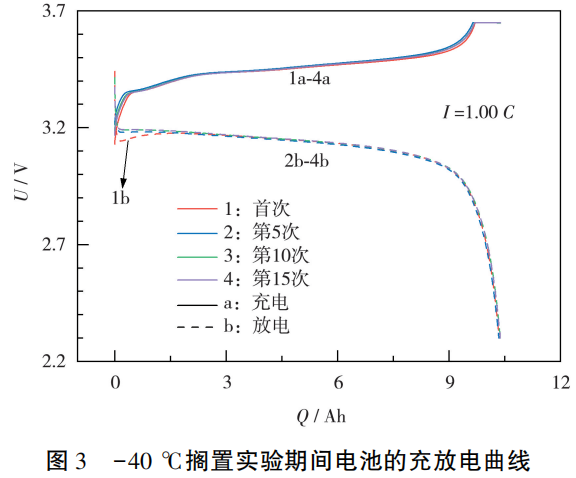
For warm, accessible sites, lithium thionyl chloride (Li-SOCl2) offers very low self-discharge and multi-year shelf life. For solar-backed stations, LiFePO4 handles daily cycling and heat. For cold or remote sites, LFP with a small heater or sodium-ion with cold tolerance simplifies field logistics. The choice depends on whether the site is visited quarterly or yearly.
Remote Monitor Power Comparison
| Attribute | Li-SOCl2 | LiFePO4 + Solar | Sodium-Ion |
|---|---|---|---|
| Self-discharge | <2% / year | <3% / month | <5% / month |
| Cycle life | Low | 4000–7000 | 3000–6000 |
| Best use | No solar, rare visits | Sunny sites | Cold/no-solar |
| Cost per year | Low | Very low | Low |
Power Management and Telemetry
A good solution pairs the cell with a low-power microcontroller that sleeps between readings and only transmits when a threshold is crossed. Adaptive sampling — measuring every hour instead of every minute when values are stable — can double battery life. The BMS should report voltage and temperature alongside the water data so the operator sees a dying battery before the monitor goes silent.
Remote Diagnostics and Total Cost of Ownership
Modern monitors report battery voltage and temperature alongside water data, so a central dashboard flags weak packs before a site visit is wasted. Over a five-year deployment, the right battery choice often costs less than repeated technician trips to replace consumer cells. Specifying an industrial pack with documented cycle-life curves and a replaceable cell module pays for itself by reducing truck rolls and preventing data gaps during critical contamination events.
Field Replacement and Standardization
A monitor network may include hundreds of sites, so every battery must be replaceable by the same field technician with the same tools. Standardize on one voltage platform and connector family across the fleet, and keep spare packs pre-charged at the regional depot. A plug-and-play module design lets the technician swap a battery in minutes without reconfiguring the logger, which is why procurement teams increasingly treat the battery as a system-level specification rather than an afterthought.
Deployment Best Practices
Mount the battery above flood level, use IP67 or IP68 enclosures, and size for the worst season. Add a solar panel if the site gets sun, and always spec a cold-weather margin. Work with a supplier who understands telemetry duty cycles and can provide cycle-life curves for the exact temperature range. Finally, label each site with the install date and expected swap interval so the next maintenance visit is planned rather than reactive.
People Also Ask
How long can a water monitor run on batteries? With Li-SOCl2 and conservative telemetry, 3–7 years. With solar-backed LFP, indefinitely in sunny climates.
Can I use regular lithium cells outdoors? Consumer cells are not designed for temperature swings and humidity. Industrial packs with sealed enclosures and proper BMS are essential for reliable long-term monitoring.
Written by Karl at China Battery Technology. Request a quote.