Battery Application Solutions for Music Venues: Quiet, Clean Power
Battery Application Solutions for Music Venues: Quiet, Clean Power
Live music venues face a power problem few other buildings share: enormous, spiky loads that must arrive absolutely clean, in spaces where a diesel generator is impossible to place. Lighting rigs, line-array amplifiers and stage monitoring can pull hundreds of kilowatts for three hours and then nothing at all. Modern battery application solutions replace the touring generator with a silent battery plant that rides through peaks, filters the supply, and lets a venue book shows on a grid connection that was never sized for them.

Why Venue Loads Are Difficult
A concert load profile looks nothing like a building load. Amplifiers draw in time with the music, so demand can swing from 20 kW to 200 kW within a bar of a song. That crest behaviour causes voltage sag, audible hum and nuisance tripping on a conventional supply. Batteries respond in milliseconds, which makes them a natural buffer for the transients that would otherwise force a venue to oversize its grid connection for a handful of nights a year.
Replacing the Touring Generator
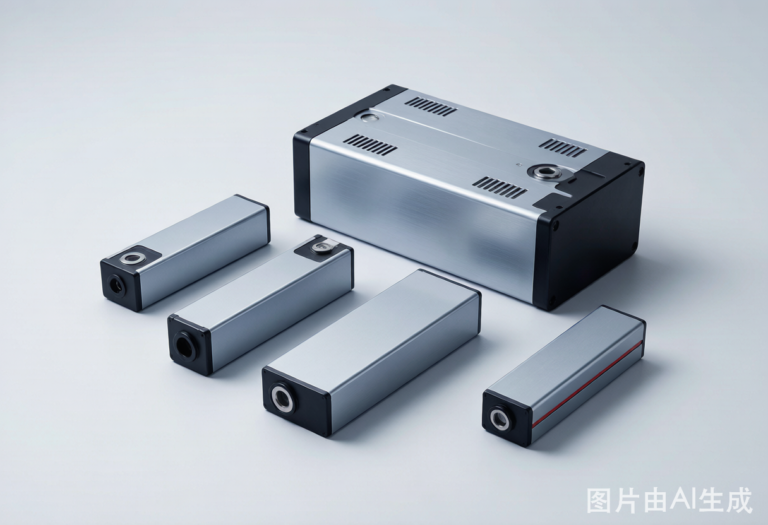
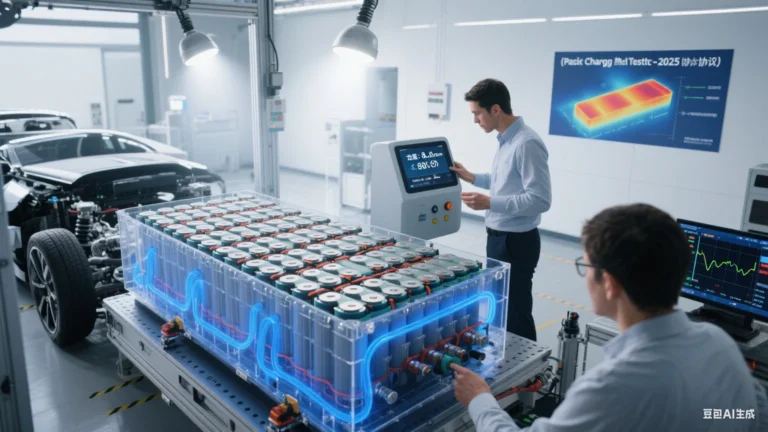
Outdoor stages, festivals and heritage buildings have traditionally hired diesel generators — noisy, smelly and increasingly restricted by city air-quality rules. A containerised battery plant of 300–1000 kWh handles a full evening set, recharges overnight on an off-peak tariff, and produces no local emissions. For multi-day festivals the same unit can be topped up from a modest renewable array or a single generator running at its optimum load rather than idling for hours.
Designing for Audio Quality
Audio engineers care about far more than kilowatt-hours. The battery inverter must deliver a true sine wave with low total harmonic distortion, and it must be electrically isolated from the stage power so switching noise never reaches the front-of-house desk. Specify separate clean and dirty buses, galvanic isolation on the audio feed, and a grounding scheme agreed with the sound contractor well before the plant arrives on site.
Venue Power Options Compared
| Option | Noise | Emissions | Transient response | Running cost |
|---|---|---|---|---|
| Grid connection only | Silent | None | Poor | Low |
| Diesel generator | High | High | Slow | High |
| Battery plus grid | Silent | None | Very fast | Low |
| Battery plus small genset | Low | Medium | Very fast | Medium |
| Hybrid solar plus battery | Silent | None | Very fast | Very low |
Sizing and Logistics
Work from the technical rider. Most touring acts specify a three-phase supply with a headroom margin, and the battery has to meet that figure. Add 20% for backline, catering and merchandise, then check that the unit can actually be craned or forked into position — many city venues have a loading door narrower than a standard container. Modular battery cabinets that break down into trolley-sized units solve most access problems without sacrificing capacity.
What to Ask a Supplier
Ask for the continuous and ten-second peak power rating, total harmonic distortion under unbalanced load, and the recharge time from an ordinary 63 A supply. Confirm the enclosure’s ingress rating for outdoor use, whether the plant can run in parallel with the venue’s existing supply, and what telemetry is available so the production manager can watch state of charge from front of house during the set.
People Also Ask
Can a battery really replace a festival generator? For a single stage of up to a few hundred kilowatts, yes. Larger festivals run batteries on the main stage and keep a small generator as a range extender.
Will battery power affect sound quality? It usually improves it. A low-distortion inverter with an isolated audio bus removes the hum and voltage sag that generator sets introduce.
How long does a venue battery last? Ten to fifteen years of calendar life, or roughly 4000–6000 full cycles, which for a venue hosting two shows a week is well over a decade.
Is battery power allowed indoors? Lithium iron phosphate cabinets with proper detection and ventilation are accepted in many venues, but always confirm with the local fire officer before installation.
Written by Karl at China Battery Technology. Request a quote.