Battery Solutions for Mobile Window Tinting Van Operators: Silent Power for Heat Guns and Lighting
Battery Solutions for Mobile Window Tinting Van Operators: Silent Power for Heat Guns and Lighting
Mobile tinting is a job done in customer driveways, office car parks and dealership forecourts — places where a petrol generator is either banned or a fast way to lose the account. That is why installers come looking for battery application solutions that can run a heat gun, a steamer, task lighting and a shop vac from a van, quietly, for a full day of appointments.
Audit the Load Before Buying Anything
Tinting loads are spiky rather than constant. A heat gun pulls 1,500 W to 2,000 W but only in short shrink-and-set bursts. A garment or glass steamer runs 1,000 W to 1,500 W intermittently. LED task lights add 100 W continuously, a small compressor or vacuum another 600 W to 1,200 W in bursts, and phones, a tablet and the plotter for pre-cut patterns add a modest trickle.
Add up energy, not just watts. A realistic four-vehicle day comes to 2.5 kWh to 4 kWh of actual consumption, even though instantaneous demand touches 2.5 kW. That gap is what makes a battery system viable where installers assume they need a generator.
Inverter and Battery Sizing
Specify the inverter for the worst simultaneous case — heat gun plus lights plus vacuum — which usually means a 3,000 W pure sine unit with 6,000 W surge headroom. Then size the battery for the day’s energy plus margin: a 5 kWh 48 V LiFePO4 bank covers a normal day with reserve, and 7.5 kWh suits two-installer vans or tint-removal jobs where the steamer runs far longer.
Keep the inverter close to the bank with short, correctly sized DC cable. More van power systems underperform because of undersized DC runs and a loose lug than because of a weak battery.
System Options Compared
| Setup | Battery | Inverter | Typical day covered | Notes |
|---|---|---|---|---|
| Starter | 2.5 kWh 48V | 2,000 W | 2 cars, no tint removal | Needs overnight charge discipline |
| Standard | 5 kWh 48V | 3,000 W | 4-5 cars | Best value for a solo installer |
| Heavy duty | 7.5 kWh 48V | 3,000-5,000 W | Full day plus removals | Two-installer or fleet work |
| Generator (for reference) | – | 2,000-3,000 W | Unlimited | Noise, fumes, site bans |
Charging Strategy Between Jobs
Three inputs are worth having. A shore-power charger at 15 A to 30 A refills the bank overnight at the shop or at home. A DC-to-DC charger of 40 A to 60 A harvests energy from the alternator while driving between appointments, which on a busy day covers a surprising share of consumption. A 400 W to 600 W roof array is optional but useful for topping up during the long waits that come with dealership work.
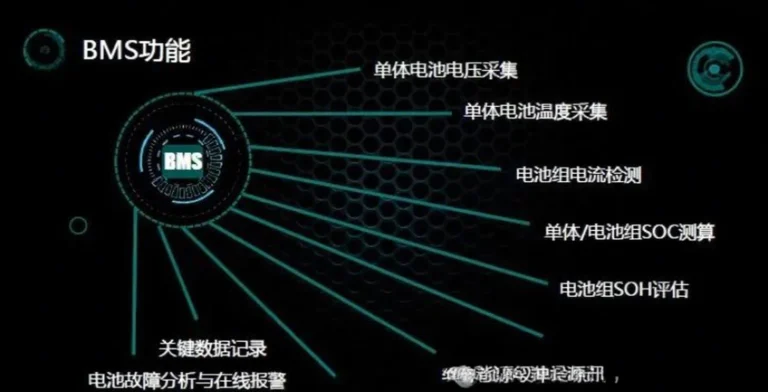
Configure the DC-to-DC charger to respect the vehicle’s smart alternator behaviour, and make sure the bank’s BMS reports state of charge somewhere the installer can actually see it — a dash-mounted display beats guessing.
Installation and Safety Points
Mount the bank low and forward of the rear axle to keep handling predictable. Bolt it down properly; a 40 kg pack sliding in a crash is a serious hazard. Fuse the positive line at the battery, not just at the inverter. Ventilate the compartment even with LiFePO4, because a van interior in summer sun will exceed cell charge-temperature limits if it is sealed. Finally, keep the tint film and the battery compartment separate — film stock does not enjoy the warm air coming off a working inverter.
People Also Ask
Can a battery system really run a tinting heat gun all day? Yes. Heat guns are high wattage but low duty cycle, so a 5 kWh bank with a 3,000 W inverter comfortably covers four to five vehicles.
Do I still need a generator as backup? Most installers drop the generator once a DC-to-DC charger is fitted, since driving between jobs restores much of the day’s energy.
What voltage should the van bank be? 48 V. It keeps cable sizes and losses manageable at 3 kW inverter loads, where 12 V systems struggle.
How long will the battery last? A quality LiFePO4 bank cycled to 80 percent daily gives roughly eight to ten years of mobile-service duty.
Written by Karl at China Battery Technology. Request a quote.
Related reading: Battery Solutions for Self-Service Kiosks: Reliable Unattended Power