Semi Solid State Battery for Electric Torque Wrench
Semi Solid State Battery for Electric Torque Wrench
Electric torque wrenches keep aircraft, wind turbines, and heavy machinery assembled to exact spec, but they live a hard life on the line: dropped, kicked, used in hot bays and freezing hangars, and expected to deliver full torque on the last bolt of a long shift. A semi solid state battery is quickly becoming the preferred cell for this class of tool because it removes the flammable liquid electrolyte, packs more energy into the same shell, and shrugs off the abuse that kills conventional packs. For fleet managers, the right battery application solutions here mean fewer packs on charge, less downtime, and a safer bench.
Why Semi-Solid for Power Tools
A torque wrench is a pulsed high-current load: it pulls hard for a fraction of a second, rests, then pulls again. That duty cycle favors cells with low internal resistance and strong thermal headroom. Semi-solid designs use a quasi-solid electrolyte that conducts ions well while removing the volatile solvent that causes thermal runaway. The result is a pack that stays cooler under repeated tightening pulses and does not swell the way aged lithium-ion often does.
Thermal and Safety Gains
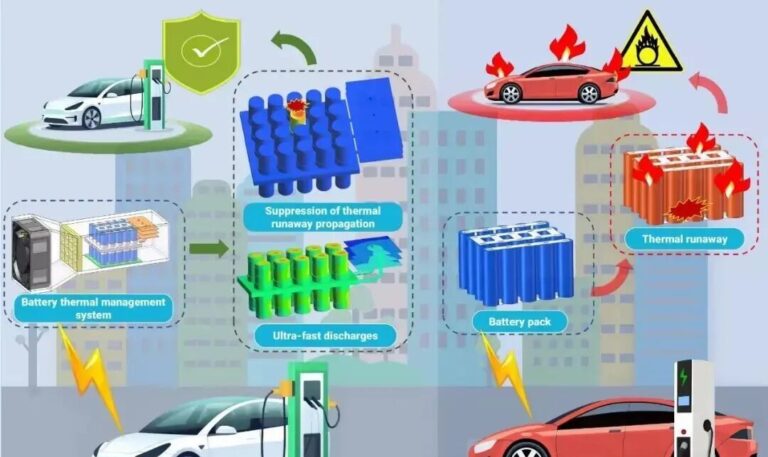
On a crowded assembly floor, a venting pack is not just a tool failure; it is an evacuation. Semi-solid chemistry raises the ignition threshold well above what a tool pack can reach in normal use, so the dominant failure mode of older Li-ion simply disappears. There is no liquid to leak into the motor gearbox either, which keeps warranty claims down and protects sensitive torque sensors from corrosion.
Torque-Wrench Battery Comparison
| Attribute | Semi-Solid | LiFePO4 | NMC |
|---|---|---|---|
| Energy density | High | Medium | High |
| Thermal runaway risk | Very low | Very low | Medium |
| Pulse current | Excellent | Good | Excellent |
| Cycle life | 2000–4000 | 3000–6000 | 800–1500 |
| Leak risk | None | Low | Low–medium |
Sizing for the Duty Cycle
Count the bolts per shift, the torque class, and the pulse energy, then size for 1.5× that figure so the pack never drops below 20% during a working day. A bench that tightens 400 fasteners at 200 Nm per shift typically needs a 2–4 Ah pack at the tool’s nominal voltage. Spec the charger to recover the pack during the lunch break, and keep one spare per two tools to cover failure without stopping the line.
Integration and Procurement Tips
Choose a pack with a communication chip (SMBus or analog fuel gauge) so the wrench can warn the operator before a missed torque. Match the connector and cell format to your existing chargers to avoid a second inventory, and ask the supplier for cycle-life data at 45 °C, the temperature a tool pack actually sees in summer bays. Piloting one line before a full rollout lets you confirm real shift endurance.
Charger and Fleet Logistics
A torque-wrench pack is only as available as its charger. Spec a multi-bay charger that balances cells and reports state-of-health, so a pack that is quietly degrading gets flagged instead of failing mid-shift. Standardize on one pack form factor across a tool family so a single spare covers wrenches, impact drivers, and rivet guns, cutting the number of batteries a supervisor must track. For sites running two shifts, a fast charger that restores 80% in under an hour keeps three packs cycling through two tools with no waiting.
Total Cost of Ownership
The purchase price of a semi-solid pack is higher than a basic Li-ion unit, but the real comparison is cost per tightened bolt. Fewer packs on charge, no leak-related gearbox repairs, and longer service life before replacement all pull the number down. Factor in the avoided downtime of a bench stopped by a dead pack, and most fleets find the semi-solid option cheaper across a three-year horizon even at a higher sticker price.
People Also Ask
Can a semi-solid pack replace my current Li-ion wrench battery? In most cases yes, if the voltage, connector, and form factor match; the higher energy density often lets you use a smaller pack for the same shift.
Are semi-solid batteries safe to leave on the charger? Yes — the absence of a flammable liquid electrolyte makes them far more tolerant of trickle charging and storage than conventional cells.
Written by Karl at China Battery Technology. Request a quote.