Sodium-Ion Battery for Desalination Plant: Reliable Off-Grid Power
Sodium-Ion Battery for Desalination Plant: Reliable Off-Grid Power
Desalination turns seawater into drinking water, but reverse-osmosis trains are energy-hungry and often sit far from stable grids — on islands, coastlines, and remote communities. A sodium ion battery is becoming a practical choice for these sites because sodium is abundant and cheap, the cells stay safe in hot, humid, salt-laden air, and they perform well in the partial-state cycling that buffers a desalination load.

Why Desalination Loads Suit Sodium-Ion
A desalination train draws steadily while running, then idles between batches. Sodium-ion cells tolerate frequent shallow cycling without the degradation penalties that plague some chemistries, and they hold capacity in the high ambient temperatures common at coastal plants — often without the heater burden lithium packs need in cooler nights.
Safety in a Harsh Environment
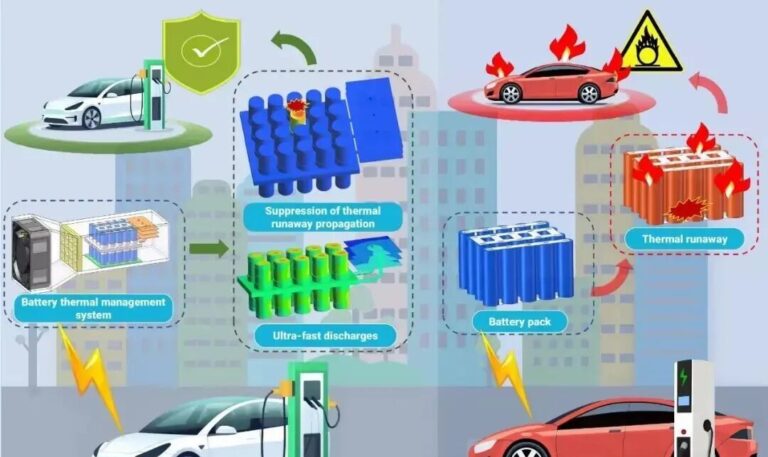
Salt spray and high humidity accelerate corrosion and raise fire-risk anxiety near treated-water infrastructure. Sodium-ion’s higher thermal-runaway threshold and absence of dendritic lithium simplify enclosure design and reduce the fire-suppression overhead required for indoor or adjacent battery rooms.
| Attribute | Sodium-Ion | LFP (LiFePO4) |
|---|---|---|
| Material cost | Lower | Medium |
| Hot-climate performance | Excellent | Good (needs heat mgmt) |
| Thermal safety | High | High |
| Energy density | Low–Medium | Medium |
| Cold performance | Good | Needs heaters |
Sizing Storage for a Plant
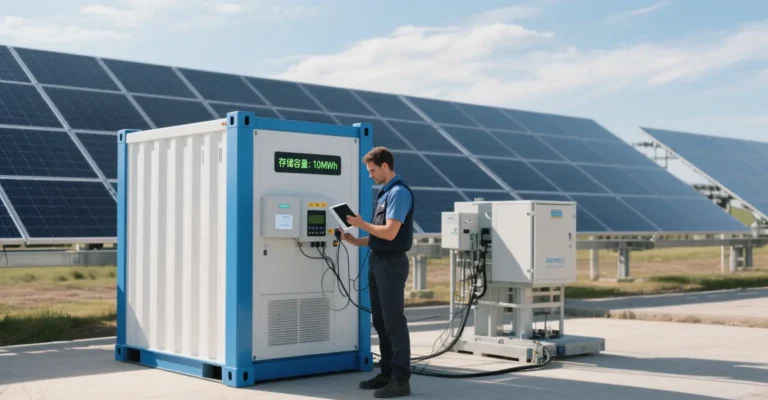
Pair the battery with the plant’s peak draw and any renewable input — solar or wind — sized to ride through grid outages long enough to keep water flowing to the community. Because footprint is less critical at industrial sites, sodium’s lower density is acceptable in exchange for lower lifetime cost.
Deployment Tips
Use a corrosion-rated enclosure with active ventilation, isolate the battery room from the water train, and choose a power-conversion system that handles both peak shaving and seamless outage transition. Monitor state-of-health remotely so a fading pack is replaced before it threatens supply.
People Also Ask
Is sodium-ion ready for industrial duty? Yes — multi-megawatt sodium-ion systems are operating in stationary storage as of 2025–2026, and desalination is a natural fit.
When would lithium still be better? Where space is severely limited or you need maximum energy density per cubic meter; otherwise sodium’s cost and climate edge usually win.
Hybrid Renewable Integration
Many coastal and island plants pair storage with solar or wind to cut diesel generator hours. Sodium-ion’s tolerance for frequent partial cycling and hot ambient makes it a durable buffer between variable renewables and the steady reverse-osmosis load, smoothing output so the train sees stable voltage and the generator runs only as backup.
Maintenance and Monitoring
Stationary sodium packs need little hands-on care, but remote state-of-health monitoring is essential at sites visited rarely. Watch for capacity fade, cell imbalance, and enclosure humidity; schedule preventive service around the maintenance window rather than after a failure that interrupts the water supply.
How long do these batteries last at a plant? Designed for daily partial cycling, sodium-ion systems typically deliver 10–15 years of service in temperate-to-hot coastal conditions with basic monitoring.
Permitting and Layout
Site the battery in a ventilated, corrosion-rated enclosure separated from the treated-water path, with clear access for service. Confirm local electrical and fire codes early; sodium’s lower fire risk usually simplifies approvals versus denser chemistries, but documentation still matters.
Can sodium-ion work alongside an existing diesel generator? Yes — the battery handles short cyclical loads and solar smoothing while the generator covers extended outages, cutting its run hours and fuel cost substantially.
Written by Karl at China Battery Technology. Request a quote.
Related reading: Sodium-Ion Battery for Offshore Platforms: Safer Remote Power