Lithium Battery for Electric Motorcycle: Range, Power, and Safety
Lithium Battery for Electric Motorcycle: Range, Power, and Safety
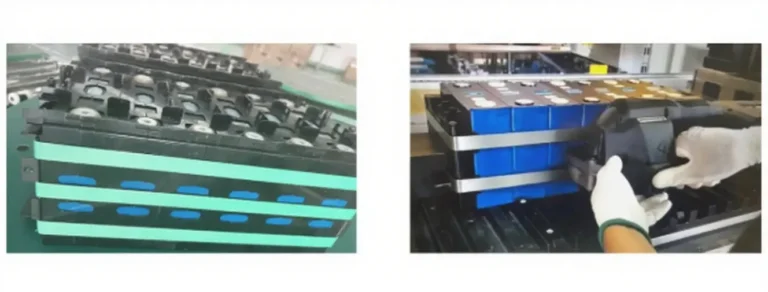
Electric motorcycles trade fuel tanks for battery packs, and that pack decides everything riders feel — acceleration, range, recharge time, and confidence in traffic. Builders and fleet operators are moving away from lead-acid and early lithium chemistries toward purpose-built packs sourced from a lithium battery manufacturer that understands two-wheel duty cycles: hard acceleration, regen braking, and wide temperature swings between city crawl and highway cruise.

Why Motorcycles Need a Different Battery
A motorcycle battery is space- and weight-critical in a way a car pack is not. Every kilogram raises the center of mass and hurts handling, while every lost liter of volume steals from rider or cargo room. Lithium packs deliver three to five times the energy density of lead-acid, letting designers place mass low and central for stability.
LiFePO4 vs NMC for Two Wheels
The two mainstream lithium chemistries split on priorities. Lithium iron phosphate (LiFePO4) favors safety, cycle life, and cost — ideal for commuter and delivery bikes that charge nightly. Nickel manganese cobalt (NMC) favors energy density and peak power, favored by performance and long-range models where range per kilogram is the binding constraint.
| Attribute | LiFePO4 | NMC |
|---|---|---|
| Energy density | Medium | High |
| Cycle life | 2000–4000 | 1000–2000 |
| Peak discharge | High | Very high |
| Thermal safety | High | Medium |
| Cost | Lower | Higher |
Sizing for Real Riding
Size the pack to the worst realistic drain: sustained highway speed plus hill climbs, not gentle city averages. Add margin for cold-weather capacity loss and for battery aging over the service life. A well-specified pack keeps at least 80% usable capacity after five years of daily commuting.
Thermal and Safety Design
Two-wheel packs sit close to the rider and road heat, so thermal management matters. Specify a BMS with cell-level fusing, overtemperature cutoff, and balanced charging, plus an IP-rated enclosure that survives rain, vibration, and the occasional puddle. Mount the pack low and shield it from crash impact.
People Also Ask
How far can an electric motorcycle go on one charge? Commuter models typically deliver 60–120 km per charge; long-range tourers exceed 200 km, depending on pack size, speed, and terrain.
Can I retrofit a lithium pack into an older e-bike? Yes, with a compatible BMS and charger; confirm voltage, connector, and physical footprint before ordering.
Charging and Fleet Considerations
For delivery and ride-hail fleets, charger access — not range — often sets utilization. Spec a pack that accepts 0.5C–1C charging so riders top up during breaks, and standardize on one connector and voltage class across the fleet to simplify spares and bays. Track per-pack throughput so worn cells are swapped before they strand a rider mid-shift.
Total Cost of Ownership
Lithium costs more upfront than lead-acid but wins on lifetime value: no watering, no equalize charges, far longer service, and recovered resale value as second-life stationary storage. Most operators see payback inside two to three years on high-utilization bikes, faster where fuel and labor savings are large.
What voltage should a motorcycle pack use? Light commuter bikes commonly run 48–72 V; performance and larger models use 96–120 V for the power density needed without extreme current.
Choosing a Supplier
Ask for documented cycle-life and abuse-test data, UN 38.3 transport certification, and a BMS spec sheet that lists balancing current and cutoff behavior. A manufacturer that supplies matched charger and pack — and stands behind both — removes the most common integration headaches for small builders.
Written by Karl at China Battery Technology. Request a quote.
Related reading: Lithium Battery for Electric Winch: Cranking Power Without the Voltage Drop