Sodium-Ion Battery for Spice Processing Mills: Power in Dusty Plants
Sodium-Ion Battery for Spice Processing Mills: Power in Dusty Plants
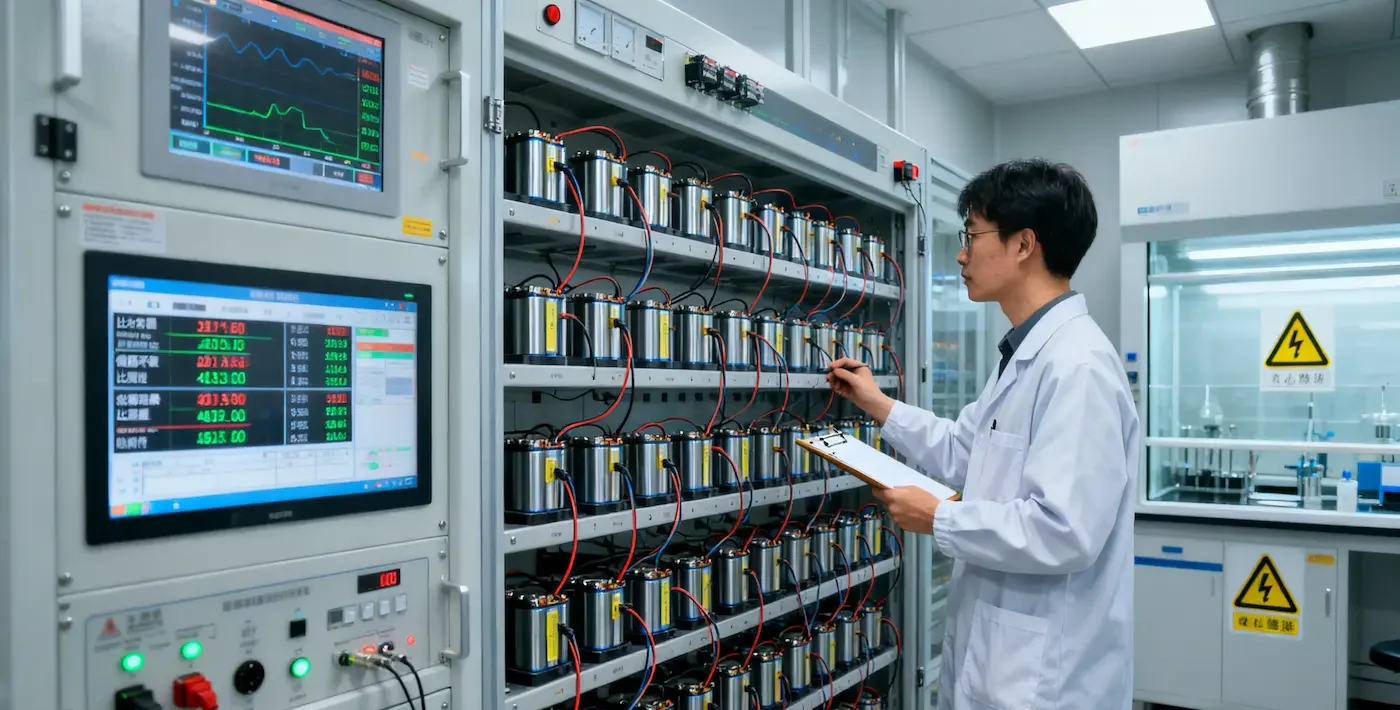
A spice plant is a difficult place to put a battery. Fine organic dust settles on every surface, ambient temperatures run high near dryers and grinders, and the grid supplying rural processing districts is often unstable enough to interrupt a batch mid-cycle. Plant engineers looking at on-site storage increasingly shortlist a sodium ion battery because sodium cells tolerate high temperatures, carry a lower thermal-runaway risk, and use materials that are not exposed to lithium or cobalt price swings.
The Power Problem in a Spice Plant
Grinding, blending, sieving, and packaging lines do not like interruptions. A sudden stop mid-grind leaves product in the mill that must be cleared by hand, and a drop in the dryer line can push a batch out of specification. Beyond the process equipment, storage also protects weighing and batching computers, dust extraction fans, and the cold room that holds heat-sensitive material. Peak shaving is the second reason to install storage: grinding motors produce short, sharp demand spikes that drive the highest tariff bracket for only a few minutes a day.
Why Sodium-Ion Suits This Environment
Sodium-ion cells operate without free metallic lithium, which raises the threshold for thermal runaway and makes them easier to justify in a building where combustible dust is a documented hazard. They also hold usable capacity better at elevated ambient temperature than many lithium chemistries, so a bank sitting near a dryer degrades more slowly. For a plant where volume is not a constraint — a corner of the warehouse is available — the lower energy density of sodium costs little.
Mill Storage Comparison
| Attribute | Sodium-Ion | LFP (LiFePO4) | Lead-Acid |
|---|---|---|---|
| Energy density | Low–medium | Medium | Low |
| High-temperature tolerance | Excellent | Good | Poor |
| Thermal runaway risk | Low | Low | Medium (gassing) |
| Cycle life | 3000–6000 | 4000–7000 | 300–500 |
| Material supply risk | Low | Medium | Low |
| Space required | More | Less | Most |
Siting and Enclosure
Keep the battery in a separate, positively pressurised electrical room rather than on the production floor. Combustible dust standards — IEC 60079 series or the local equivalent — govern what equipment may sit in a classified zone, and in practice the answer is to keep storage outside it. Specify an enclosure with filtered intake, an operating range up to 50 °C with active cooling, and a BMS that reports cell temperatures to the plant SCADA so a hot module is visible before it becomes a trip.
Sizing for Peak Shaving and Ride-Through
Log demand at the main incomer for two weeks at one-second resolution to capture grinder starts. The peak-shaving component is usually small — enough energy to clip the top few minutes of each spike — while the ride-through component depends on how long the plant needs to shut down in an orderly way, often 15–30 minutes. Splitting the two duties in the design keeps the bank from being oversized for a rarely used blackout scenario.
What to Ask a Supplier
Ask for the operating-temperature window and the derating curve above 40 °C, cycle-life figures at the discharge rate the plant will actually use, the thermal propagation test report, whether the enclosure has a dust-rated filter option, and what the warranty says about capacity retention in high-ambient installations.
People Also Ask
Is a battery safe in a plant with combustible dust? Installed outside the classified zone in a filtered enclosure with a certified BMS, yes — and sodium-ion’s lower thermal-runaway risk makes the safety case easier than for some alternatives.
Does sodium-ion work in hot climates? It performs well at sustained ambient temperatures where lead-acid would fail early and lithium would need active cooling, which is one reason it is specified for tropical processing sites.
How much space does it need? Roughly 1.3 to 1.8 times the volume of an LFP bank for the same energy. In a plant with warehouse space, that is rarely the deciding factor.
What is the payback? Most mill projects recover on peak shaving and avoided batch losses first; the backup benefit is usually the reason the project gets approved rather than the source of the return.
Written by Karl at China Battery Technology. Request a quote.