Semi Solid State Battery for Hearing Protection: Safe Power for Smart Earbuds
Semi Solid State Battery for Hearing Protection: Safe Power for Smart Earbuds
Hearing protection is going smart. Active noise-cancelling earplugs, gun-range defenders, and connected earbuds now pack microphones, DSP, and Bluetooth — all drawing from a tiny cell that must sit safely in or near the ear. A semi solid state battery offers the safety, thinness, and longevity these devices need, bridging conventional lithium-ion and still-scarce full solid-state cells.

Why Hearing Gear Needs a Better Cell
An ear-level device has almost no tolerance for heat, swelling, or leakage. Users wear it for hours, sometimes in sweat, dust, or loud impulse environments. Semi-solid cells replace much of the flammable liquid electrolyte with a stable composite, shrinking leakage and thermal risk while keeping the roll-to-roll manufacturing that makes tiny cells affordable.
What the Load Looks Like
ANC earplugs draw small but steady current for the amp and mics, with bursts during Bluetooth streaming. A typical smart defender needs 20–60 mAh at 3.7 V, recharged nightly in a case. The constraint is not capacity but safety margin and form factor — the cell must be thin, light, and inert against skin.
Hearing Device Cell Comparison
| Attribute | Semi-Solid | Liquid Li-ion | Full Solid-State |
|---|---|---|---|
| Safety at ear | High | Medium | Very high |
| Form factor | Thin/light | Medium | Thinnest |
| Cycle life | 500–1000 | 300–500 | 1000+ |
| Availability | Shipping now | Mature | Limited |
| Cost | Medium | Low | High |
Design and Certification
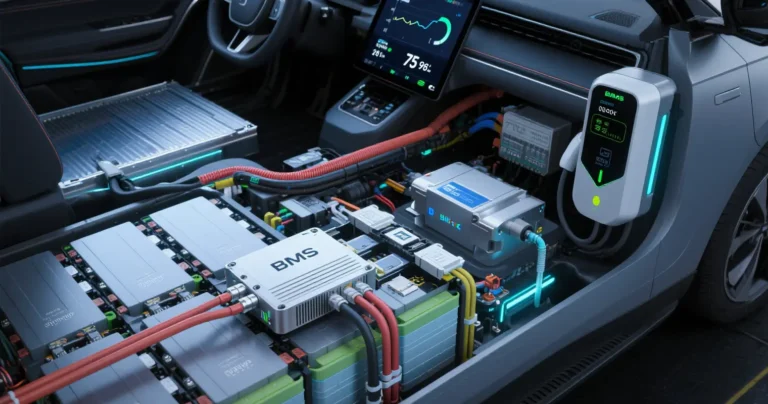
Spec the cell to the device outline, validate the protection circuit for micro-drain and over-discharge, and qualify the pack to IEC 60086 and relevant ear-level safety standards. Encapsulation must resist sweat and impact, and the BMS should report state-of-charge to the companion app so users recharge before a range day or concert.
When to Choose Semi-Solid
Pick semi-solid when you need today’s supply, ear-level safety better than liquid cells, and a thinner profile than a standard pouch — without waiting for full solid-state volume production. It is the practical upgrade for premium defenders and smart earbuds shipping in 2025–2026.
Battery Life and Everyday Care
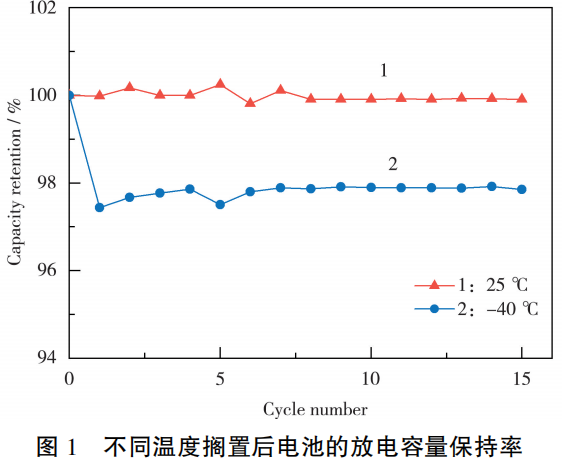
Ear-level cells live or die by charging habits. Charge in the case nightly rather than draining to empty, avoid leaving the defender in a hot car, and clean the contacts gently. A semi-solid cell typically keeps 80% capacity past several hundred cycles, so a daily-use defender lasts multiple seasons before the case, not the cell, usually fails first.
Choosing the Right Defender
Match the device to the environment: range and motorsport users want impulse-rated passive attenuation plus Bluetooth coms; concert-goers want flat, musical ANC; industrial crews want over-ear protection with radio. Confirm the listed runtime, the case battery, and whether the cell is user-replaceable. A semi-solid pack is the differentiator when safety, thinness, and all-day comfort matter most.
Safety and Certification Notes
Ear-level devices should carry the same diligence as any wearable health-adjacent product. Confirm the cell supplier publishes UN 38.3 transit test data and that the pack includes over-current and short protection. For defenders marketed with hearing-health claims, keep claims conservative and backed by component specs so the product survives both regulatory review and buyer scrutiny.
People Also Ask
Are semi-solid cells safe to wear for hours? Yes — reduced free electrolyte and stable interfaces make them a strong fit for skin-contact and ear-level use.
How long between charges? Most smart defenders run a full day of intermittent use on one charge, recharging in the case overnight like standard earbuds.
Written by Karl at China Battery Technology. Request a quote.