Sodium-Ion Battery for Perfumery and Cosmetics Blending
Sodium-Ion Battery for Perfumery and Cosmetics Blending
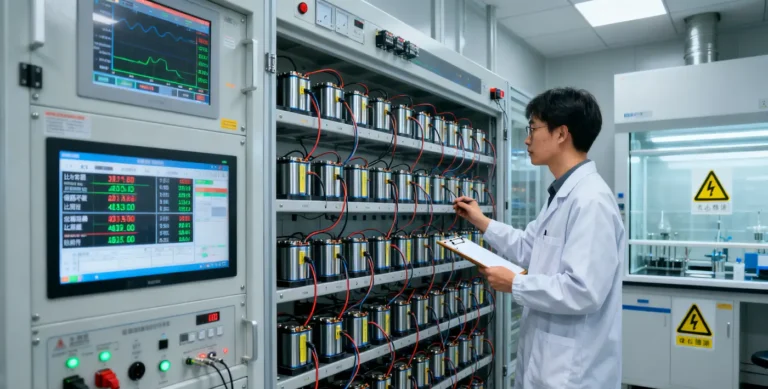
A fragrance house runs on precision: a blend is weighed to fractions of a gram, macerated for weeks, and chill-filtered at a set temperature. A short outage during an active batch can mean discarding materials worth more than the energy that was lost. That risk profile — high product value, moderate power demand, long quiet periods — suits a sodium ion battery well, because the chemistry is built for stationary storage economics rather than for squeezing energy into a small space.
Why the Load Profile Fits Sodium-Ion
Blending rooms are not power-hungry in the industrial sense. Mixers, jacketed vessels, chillers, filtration pumps and clean-air handling add up to a modest, fairly steady kilowatt draw, punctuated by short peaks when a homogeniser starts. Backup is needed for minutes to a few hours at a time, and the bank then sits idle at a high state of charge for weeks. Sodium-ion tolerates that standby duty with very low calendar degradation, and it holds capacity better than many alternatives when the room runs cold for chill filtration.
Cold Rooms and Chill Filtration
Chill filtration and cold maceration push part of the process down near 0 °C, and finished fragrance is often held in temperature-controlled storage. Sodium-ion cells keep usable capacity at low temperature better than most lithium chemistries, and they can be charged at low temperature with far less risk of plating than a conventional graphite-anode lithium cell. Practically, that means less spent on battery heating and fewer alarms on winter mornings.
Solvents, ATEX and Where the Battery Goes
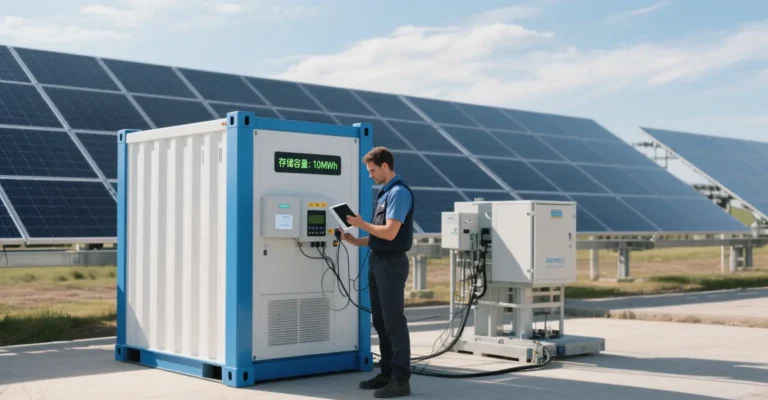
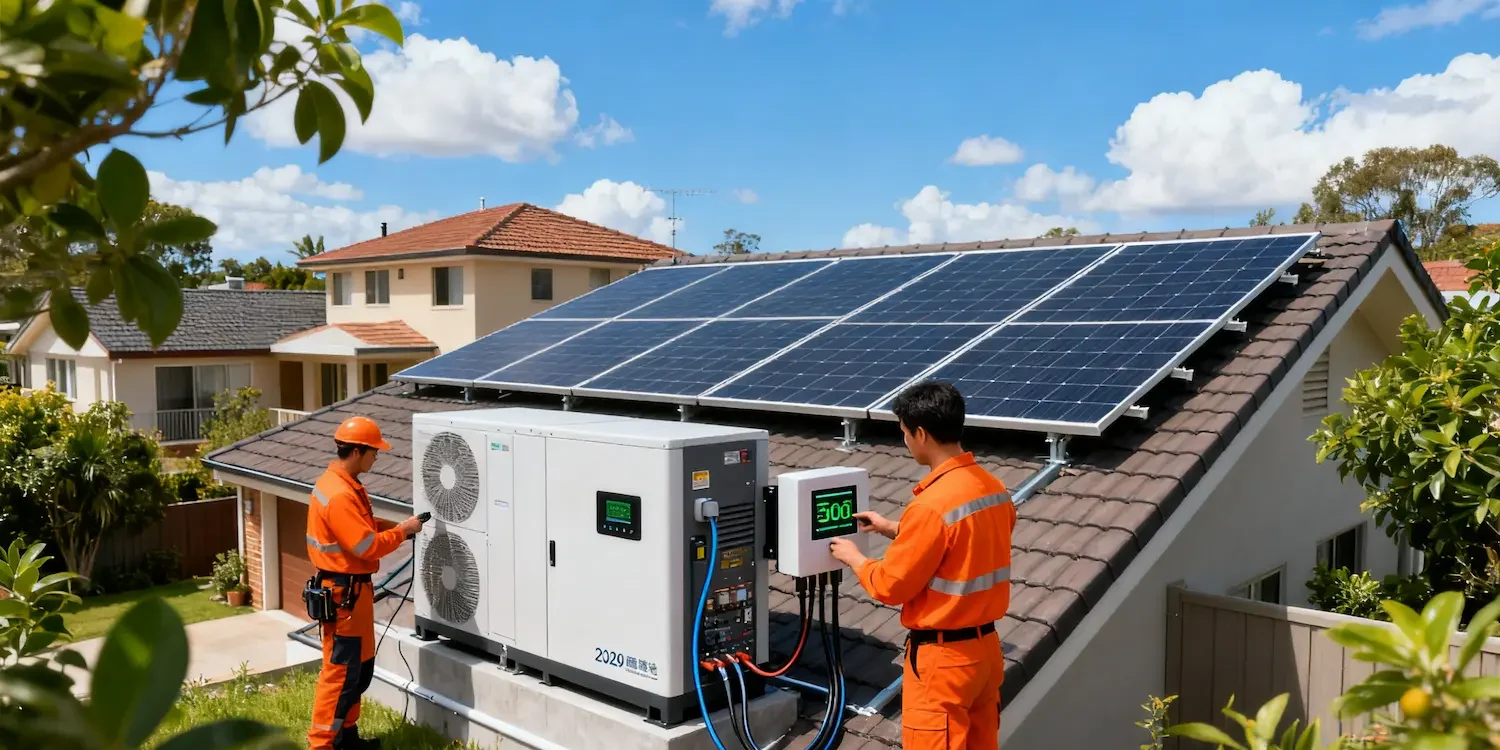
Perfume compounding uses ethanol and other volatile solvents, so classified zones matter. The safe answer is physical separation: put the battery in its own ventilated room or an outdoor-rated cabinet outside the classified area, and run cable to the distribution board. Sodium-ion has no cobalt or nickel supply exposure, but it is still an electrical installation — keep it clear of solvent storage, provide extraction, and follow the same separation rules you would apply to any switchgear.
Blending Room Storage Options Compared
| Attribute | Sodium-Ion | LiFePO4 | Lead-Acid |
|---|---|---|---|
| Capital cost per kWh | Lowest trajectory | Medium | Low |
| Cold-temperature capacity | Good | Fair | Poor |
| Low-temperature charging | Tolerant | Needs heating | Slow |
| Cycle life | 3000–5000 | 3000–6000 | 300–500 |
| Standby self-discharge | Low | Very low | High |
| Footprint for same kWh | Larger | Compact | Large |
Peak Shaving as a Second Benefit
Because the bank is idle most of the time, it can earn outside of outage duty. Many cosmetics sites face demand charges driven by a few simultaneous peaks — chiller start-up alongside mixing and compressed air. Charging the sodium-ion bank off-peak and discharging into those windows trims the monthly demand charge without touching process quality, and the arbitrage margin often pays back a meaningful share of the capital cost over the asset life.
What to Ask a Supplier
Ask for capacity retention data at the lowest temperature your process actually sees, and for the recommended charge window at that temperature. Ask how many full equivalents the warranty allows per year, since peak shaving adds cycles to a standby asset. Request the round-trip efficiency figure, confirm what the BMS reports to your building management system, and ask for a commissioning test that includes a real transfer under load rather than a bench report.
People Also Ask
Is sodium-ion safe to install near ethanol storage? It can be, with separation. Place the battery outside the classified zone in a ventilated enclosure, and let your hazardous-area engineer sign off the cable route and clearance distances.
How long will a sodium-ion bank last in standby service? Expect ten years or more for calendar life in a lightly cycled installation, with cycle life of roughly 3000–5000 full equivalents if you later add peak shaving.
Does it need a new charger or inverter? Usually not a new inverter. Sodium-ion has a different voltage window from lithium-iron phosphate, so confirm the BMS and inverter profile match before commissioning.
Why choose sodium-ion over lithium for a blending room? Low-temperature behaviour, low cost per kilowatt-hour for a large stationary bank, and no exposure to lithium or cobalt price swings. Space is the trade-off.
Written by Karl at China Battery Technology. Request a quote.