Sodium-Ion Battery for Edible Oil Mill and Oilseed Pressing
Sodium-Ion Battery for Edible Oil Mill and Oilseed Pressing
An edible oil mill runs mechanical presses, screw conveyors, filtration and sometimes solvent extraction on a schedule dictated by crop arrivals rather than by the electricity tariff. That produces a load profile with hard motor starts and long steady runs, and it means the plant buys power at whatever hour the trucks arrive. A sodium ion battery is a good match because the duty is stationary, the energy requirement is large, and material cost dominates the business case.
Where the Energy Actually Goes
Pressing is surprisingly mechanical: the screw press itself, the conveyor train, and the cake breaker are all motor loads with meaningful inrush. Downstream, filtration pumps, vacuum dryers and the boiler feed add continuous demand, and if the mill refines or deodorises on site, the thermal load can exceed the mechanical one. Peak demand charges on that combined profile are usually the largest controllable line on the power bill.
Peak Shaving as the Primary Business Case
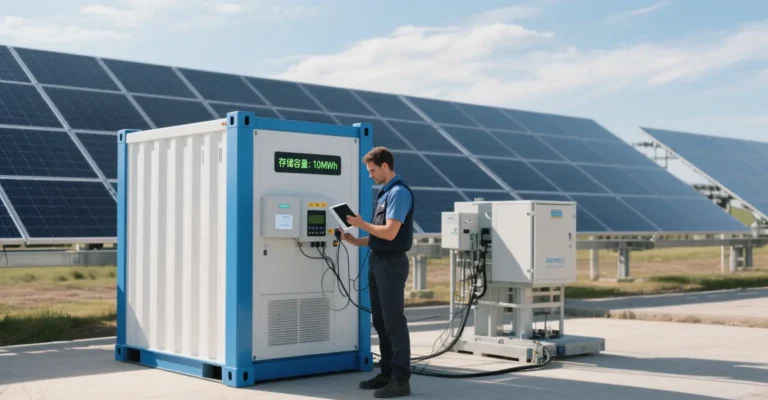
Most mills do not need to run off-grid; they need to shave the top of the load curve. A battery sized to the difference between the normal running load and the few minutes of simultaneous press and dryer start will flatten demand charges without changing the process. Because sodium-ion is cheaper per kilowatt-hour than lithium and the plant has floor space to spare, it often wins on total installed cost even at a larger footprint.
Handling Motor Inrush
Size the power conversion on surge, not on running current. A 90 kW press with a soft starter may still draw 250–300 kW for a second or two on a direct-on-line start. Either specify soft starters or variable-speed drives on the largest motors, or size the inverter for the surge; doing both is usually more expensive than choosing one and doing it properly.
Storage Options for an Oil Mill
| Attribute | Sodium-ion | LFP lithium | Flywheel/UPS |
|---|---|---|---|
| Peak shaving duration | 1–4 h | 1–4 h | Seconds |
| Cost per kWh | Lower | Medium | High |
| Surge capability | Good | Good | Excellent |
| Heat tolerance | Good | Good | Moderate |
| Footprint | Larger | Compact | Small |
Site Conditions That Matter
Oil mist and dust coat everything, so the enclosure needs a filtration grade matched to the plant atmosphere and a location outside the pressing hall if at all possible. Ambient temperatures in a mill with dryers running can exceed 40 °C, which shortens battery life substantially; a shaded, ventilated position or a small air-conditioned container pays for itself in retained capacity.
Sizing Method
Pull a full season of interval data covering both peak crush and the quiet season. Identify the ten highest demand intervals and the energy above your target demand threshold in each. Size the battery to the energy and the inverter to the peak power gap — for a mid-size mill these typically land in the 200–600 kWh and 150–400 kW range respectively.
What to Ask a Supplier
Ask for a demand-charge simulation using your own interval data rather than a generic profile, since the savings case is entirely site-specific. Confirm the cycle-life warranty at the depth of discharge you will actually use, the enclosure’s operating temperature range with derating stated, and whether the controller can accept a signal from your process PLC so the battery knows when a press start is coming.
People Also Ask
Is peak shaving or backup the main benefit? Peak shaving, almost always. The demand-charge reduction usually funds the project before any resilience benefit is counted.
Can the battery start the presses directly? With adequate inverter sizing or soft starters, yes. Direct-on-line starts without either will trip a modestly sized system.
Does oil mist affect the enclosure? It will without proper filtration. Place the cabinet outside the pressing hall and specify filtered ventilation matched to your airborne oil loading.
How long is the payback? Typically three to six years depending on your demand-charge structure and how many months a year the mill runs at full crush.
Written by Karl at China Battery Technology. Request a quote.