Lithium Battery for Candle Manufacturing: Clean Power for Wax Lines
Lithium Battery for Candle Manufacturing: Clean Power for Wax Lines
Candle manufacturing looks simple from the outside, but a production floor is a hot, waxy, stop-start environment where a ten-minute power dip can set a whole batch. Melting kettles lose temper, fragrance oil separates, and poured jars skin over before the wick is centred — all of it becomes rework. More plants are therefore backing their critical loads with lithium instead of a genset alone, and a capable lithium battery manufacturer will size that bank around the pour schedule rather than around a generic kilowatt rating.
What Actually Needs Backup on a Candle Line
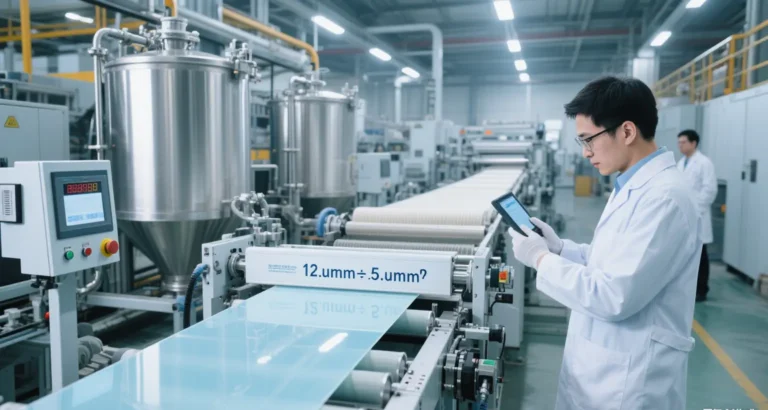
Very little in a candle factory can tolerate an abrupt stop. Wax melters and jacketed holding tanks must stay warm enough to remain pumpable, because paraffin and soy blends solidify in the lines and clearing a frozen pipe costs hours. Temperature-controlled holding cabinets keep poured containers at a set cooling curve; losing that control produces frosting, sinkholes and wet spots on the finished surface. Then there is the dose-and-mix step, where fragrance oil is weighed into the wax within a narrow temperature band — interrupt it and the load is off-spec.
Why Stop-Start Loads Favour Lithium
A candle plant does not draw a flat load. Melters pull hard during heat-up, then coast; conveyors, wick machines and labelling heads cycle in short bursts; packing tables light up only during a shift. Lithium cells accept this kind of irregular, partial-state-of-charge duty without the sulfation that quietly kills lead-acid banks. They also recover charge quickly during the natural gaps in the schedule, so the bank is ready again before the next kettle comes up to temperature.
Heat, Wax Fumes and Enclosure Ratings
Ambient conditions are the part buyers underestimate. Melting rooms routinely sit above 35 °C, and airborne wax vapour plus fragrance mist settles on everything. Specify cells rated for continuous ambient operation at the real room temperature, not a climate-controlled 25 °C figure, and put the bank in an enclosure that is at least IP54 with filtered ventilation. Keep the battery out of the pour hall itself if you can — a separate, cooler utility room adds years to cell life and keeps service staff away from hot wax traffic.
Candle Line Power Options Compared
| Attribute | LiFePO4 | Lead-Acid | Diesel Genset Only |
|---|---|---|---|
| Response to outage | Instant | Instant | 10–30 s |
| Useful life (cycles) | 3000–6000 | 300–500 | Hours-based |
| Tolerance of hot rooms | Good with derating | Poor | Good |
| Routine maintenance | None | Watering, equalize | Fuel, oil, load bank |
| Indoor use | Yes, no fumes | Vents gas | No |
| Noise during outage | Silent | Silent | Loud |
Sizing Around the Pour Schedule
Work out the load from the process, not from the building. Add the holding-tank heaters and circulation pumps that must stay energised, the dose-and-mix agitation, and the minimum lighting and labelling capacity needed to finish an open batch. Then choose an autonomy window that matches reality — for most plants two to four hours of ride-through covers regional utility interruptions, with a genset as the long-duration fallback. Leave headroom for winter, when incoming wax is colder and melting energy rises.
What to Ask a Supplier
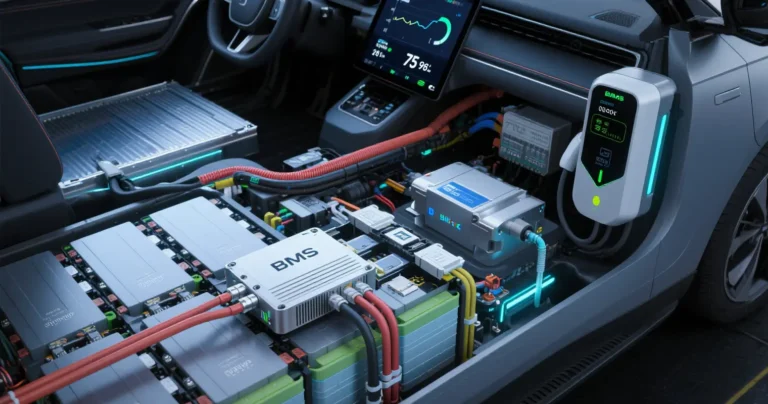
Ask for the cycle-life figure at your actual depth of discharge and ambient temperature, not the headline number. Ask how the BMS reports state-of-charge and fault history, and whether it can talk to the plant PLC over Modbus or CAN. Request the thermal-management approach in writing, confirm cell-level fusing, and ask what happens to warranty coverage if the enclosure sits in a 40 °C room. A manufacturer that has supplied food or cosmetics plants will already have the hygiene and cleaning answers ready.
People Also Ask
Can a lithium bank run wax melting heaters directly? Yes, but size the inverter for the inrush. Melter elements are resistive, so a correctly rated inverter handles them easily; the constraint is usually sustained kilowatt-hours, not peak power.
Is LiFePO4 safe near fragrance oils and solvents? It is the safest mainstream lithium chemistry, but store solvents to their own rules. The battery should sit in a separate, ventilated space with clearance from flammable-liquid storage.
How much autonomy does a small candle factory need? Two to four hours covers the vast majority of grid events, and it is enough to finish the batch in progress and shut the melters down in a controlled way.
Can we keep the existing generator? Almost always yes. The lithium bank covers the first seconds and minutes so the genset starts cleanly, which reduces generator wear and lets you run it less often.
Written by Karl at China Battery Technology. Request a quote.