Semi-Solid-State Battery for Orthotic and Prosthetic Devices
Semi-Solid-State Battery for Orthotic and Prosthetic Devices
A powered knee, a microprocessor foot, or an active orthosis has to run a full day on a pack small enough to hide inside a socket or a shoe insert. Conventional lithium-polymer cells are light but sit close to the skin, so any safety margin matters. A semi solid state battery replaces most of the free liquid electrolyte with a gel or semi-solid layer, which raises the thermal abuse threshold and allows higher energy density in the same envelope — two things rehabilitation engineers care about at the same time.
Why Wearable Rehabilitation Hardware Is Hard on Batteries
These devices see a punishing duty cycle. A powered prosthetic knee draws sharp current spikes on every heel strike and recovers energy on descent; a microprocessor foot runs continuous sensing and occasional actuator bursts; a myoelectric hand holds torque while the user grips. Add daily deep discharge, charging overnight whether or not the pack is empty, and operation next to body heat, and the pack becomes the first component to age out. Users notice quickly, because a dead pack means the limb loses its assist function mid-day.
What the Semi-Solid Layer Changes
Reducing free liquid electrolyte cuts the fuel available for a thermal event and suppresses dendrite growth, so the cell tolerates higher energy density without the abuse risk that comes with conventional high-nickel liquid designs. In practice that means either a longer runtime in the same volume or a slimmer pack for the same runtime — both useful when the enclosure is dictated by anatomy. Semi-solid cells also hold capacity better across partial charge cycles, which suits the opportunistic charging habits of real users.
Wearable Device Battery Comparison
| Attribute | Semi-Solid-State | Li-Polymer | Standard Li-Ion 18650 |
|---|---|---|---|
| Energy density (Wh/kg) | ~250–300 | ~180–230 | ~200–260 |
| Thermal abuse margin | High | Medium | Medium |
| Form factor freedom | High | High | Low |
| Cycle life | 800–1500 | 400–800 | 500–1000 |
| Cost per Wh | Medium–high | Medium | Low |
Integration Points for Clinics and OEMs
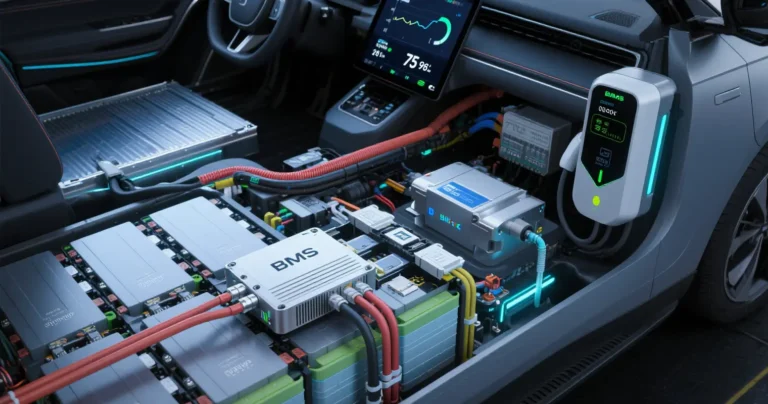
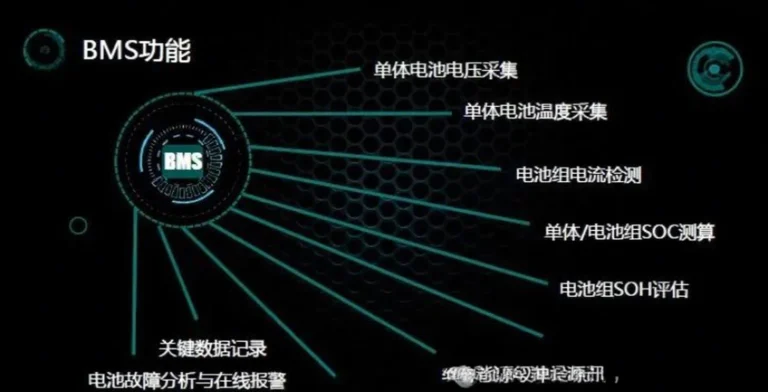
Pack shape rarely matches a catalogue cell, so specify the mechanical envelope first and let cell selection follow. Build in a protection circuit with per-cell balancing, a fuel gauge calibrated to the actual duty profile, and a connector rated for the insertion cycles a user will put on it during daily donning. For devices worn against skin, ask the cell maker for surface-temperature limits under continuous load and design the enclosure to keep the warm side away from contact areas.
Compliance and Shipping
Medical electrical equipment generally follows IEC 60601-1, with IEC 62133-2 covering the cell and pack safety and UN 38.3 covering transport. Where the device is classified as a medical device, the battery supplier should support the technical file with cell certificates, lot traceability, and a change-notification agreement so a cell revision does not silently invalidate testing. Confirm this in writing before tooling, because requalifying a pack late in a product cycle is expensive.
What to Ask a Supplier
Request cycle-life data at the actual depth of discharge rather than at a gentle 0.2C, nail penetration and overcharge test reports, dimensional drawings with tolerances, confirmation of change control on cell chemistry, and the minimum order quantity for custom pouch or prismatic formats.
People Also Ask
How much longer will a semi-solid pack run than lithium-polymer? Typically 20–40% more runtime in the same volume, depending on discharge rate and how conservatively the pack is rated.
Is it safe in a device worn against the skin? Semi-solid designs raise the thermal runaway threshold and reduce free electrolyte, which is why they are being evaluated for wearables, but the pack still needs IEC 62133 certification and temperature monitoring.
Can existing prosthetic designs be retrofitted? Often yes if the envelope and connector allow it. Confirm charge profile compatibility before swapping, since voltage limits differ slightly between chemistries.
What about charging time? Most packs reach 80% in roughly an hour with a proper CC-CV charger; overnight charging is fine provided the charger terminates correctly rather than trickling.
Written by Karl at China Battery Technology. Request a quote.