Semi-Solid-State Battery for Portable Spectrometer: Field Power
Handheld XRF alloy analysers, portable NIR units for grain and pharma raw-material ID, and field Raman instruments all share the same constraint: the operator carries them all day, and a dead instrument stops the survey. Most ship with conventional lithium-ion packs that are heavy, slow to charge and limited by air-transport rules. A semi solid state battery lifts all three limits at once — higher energy density for the same case volume, faster charge acceptance between sites, and a wider safety margin when the pack is dropped or left in a hot vehicle.
Why Field Instruments Strain Conventional Cells
A portable spectrometer is a difficult load. The X-ray tube or laser draws short high-current pulses during each measurement, the detector and electronics want clean steady power, and the whole thing has to work from −10 °C in a winter yard to 40 °C inside a parked vehicle. Conventional liquid-electrolyte lithium-ion packs sag under pulse load as they age, which shows up as longer measurement times and drift that forces recalibration. Energy density is the other constraint: every gram saved is a gram the operator does not hold at shoulder height all day.
What Semi-Solid-State Changes
Semi-solid-state cells replace most of the free liquid electrolyte with a gel-like electrode structure. That removes weight that contributes no capacity, so gravimetric energy density rises — typically 300 to 400 Wh/kg at cell level versus 250 to 300 for a good conventional cell. In a hand-carried instrument that means longer run time in the same case, or a lighter tool for the same shift. Reduced liquid content also raises the thermal runaway threshold, which matters for a device thrown into a site vehicle and carried through crowds.
Portable Instrument Pack Comparison
| Attribute | Semi-Solid-State | Conventional Li-Ion | NiMH |
|---|---|---|---|
| Energy density (Wh/kg) | 300–400 | 250–300 | 60–120 |
| Pulse-load sag | Low | Medium, worsens with age | High |
| Charge to 80 % | ~20–30 min | ~45–60 min | ~90 min |
| Thermal runaway margin | High | Medium | High |
| Air-transport paperwork | Simpler | Standard | Simpler |
Run Time and Duty Cycle on a Real Survey
Model the pack against the measurement pattern, not a spec-sheet average. A handheld XRF doing alloy sorting might fire 300 to 500 measurements a day, the tube drawing peak current for a fraction of each shot. That means the battery sees thousands of small pulses, and internal resistance — not nameplate capacity — decides when the instrument stops completing shots. Specify the pack by pulse capability at end of life, and require DC internal resistance figures at both ends of the warranty.
Fast Turnaround Between Sites
Field crews rarely get a full overnight charge. They get a vehicle cigarette-lighter socket between stops and a wall outlet at lunch. Semi-solid-state cells accept higher charge currents without the lithium plating that degrades conventional cells charged cold or fast, so a 20 to 30 minute stop returns most of a shift’s capacity. That removes the need to carry spare packs — often the bigger saving.
Safety, Transport and Certification
Instruments travel: checked luggage, site vehicles, and regulated facilities where a battery incident is a serious event. Semi-solid-state packs have a higher thermal runaway onset and propagate less readily cell to cell, which helps with UN 38.3 transport testing and customer safety sign-off. Confirm the pack carries UN 38.3 documentation, IEC 62133 certification, and — in hazardous areas — intrinsic-safety approval for the assembled device, not just the cell.
Mechanical and Environmental Design
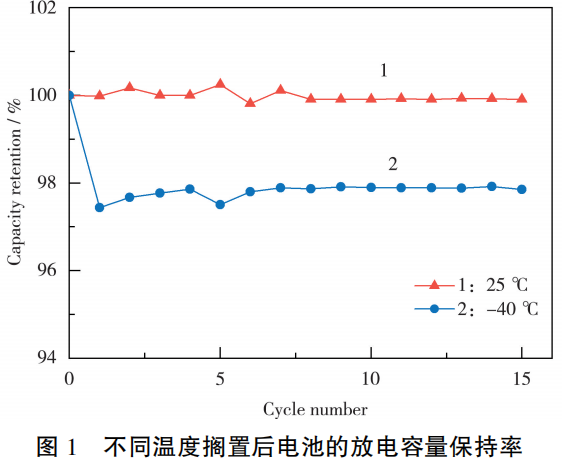
The pack is part of the instrument’s structure in most handheld designs, so mechanical specification matters as much as electrical. Require drop testing to the instrument’s rated height with the pack fitted, an IP rating matching the enclosure, and operation from −20 °C to +55 °C. A pack that delivers rated capacity at 25 °C but collapses at 5 °C is useless on a winter survey, so ask for discharge curves at the temperature extremes.
What to Ask a Supplier
Ask for cell-level datasheets rather than pack-level marketing numbers, cycle life quoted to 80 % capacity at the actual discharge rate, and a stated end-of-life internal resistance. Request samples for a full season of field testing before committing; makers who skip that step learn about cold-weather performance from their customers.
People Also Ask
How much longer will a semi-solid-state pack run a spectrometer? Typically 25 to 40 % longer than a conventional pack of the same weight, because cell-level energy density is roughly 300 to 400 Wh/kg against 250 to 300.
Can it handle the pulse load of an XRF tube? Yes, and better as it ages. Specify the pack by pulse capability at end of life and require internal resistance figures at both ends of the warranty.
Is it safer for air transport? Semi-solid-state cells have a higher thermal runaway threshold and reduced liquid electrolyte, which simplifies UN 38.3 outcomes, though the pack still needs its own certification.
Is the cost justified for a handheld tool? Where run time, weight and field charge speed drive crew productivity, yes. Harder to justify for instruments that sit on a bench on mains power.
Specifying a pack for a field instrument? Request a quote with your discharge profile and operating temperature range.
Written by Karl at China Battery Technology. Request a quote.
Related Reading
- semi-solid-state battery guide
- Semi-Solid State Battery for E-Readers: Thin Cells, Long Run Time
- Semi-Solid State Battery for Wireless Earbuds: Smaller Cells, Longer Listening