Semi Solid State Battery for Electric Chainsaw: Cordless Cutting Power
Semi Solid State Battery for Electric Chainsaw: Cordless Cutting Power
Cutting firewood, clearing storm damage, and professional tree work all demand bursts of high current that drain a pack in minutes. A semi solid state battery gives cordless chainsaws a safer, higher-density alternative to conventional lithium-ion, with less swelling and better thermal behavior under load. As more crews swap gas for electric, the pack — not the motor — decides whether a saw can finish a full day of cuts.
Why Chainsaws Are Tough on Batteries
A chainsaw pulls a sharp sawtooth current profile: near-zero draw while idling, then a 20–60 A spike the instant the chain bites wood. That pulse stresses the cell internals and heats the pack fast. Liquid-electrolyte cells tolerate this, but repeated hard pulls accelerate aging and can trigger the BMS to cut power mid-cut. Owners notice shorter runtime after a single season of heavy use.
Why Semi-Solid Fits Cordless Cutting
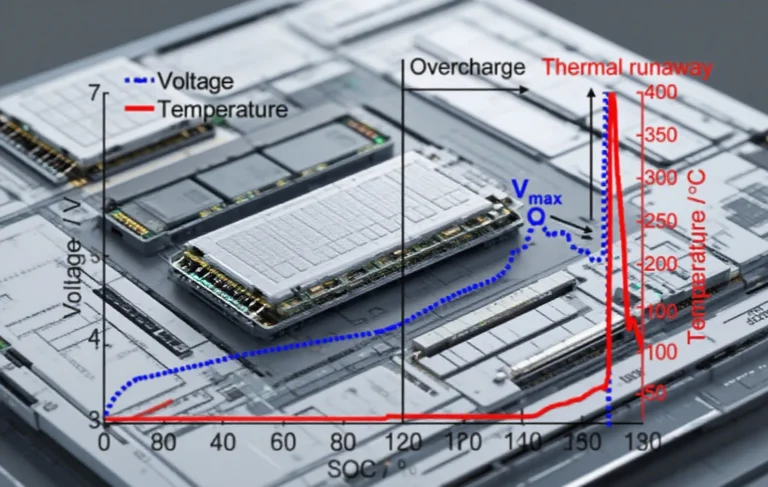
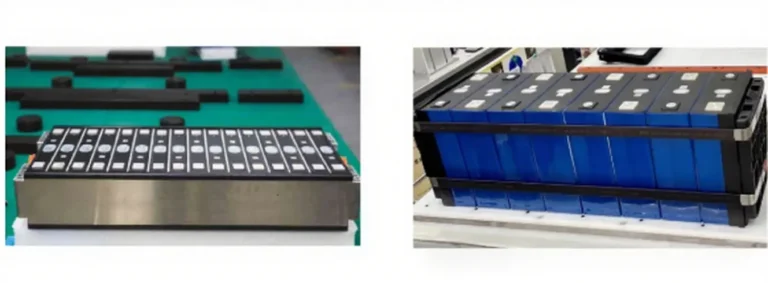
Semi-solid cells replace much of the flammable liquid electrolyte with a composite or gel, raising thermal stability while keeping rolled-electrode manufacturability. The result is a pack that stays cooler under saw pulses, resists the bulging that jams tool battery doors, and holds more watt-hours in the same weight — so a lighter saw cuts longer. For a tool you hold against kickback, reduced fire risk is a real upgrade, not a spec-sheet detail.
Safety and Thermal Behavior
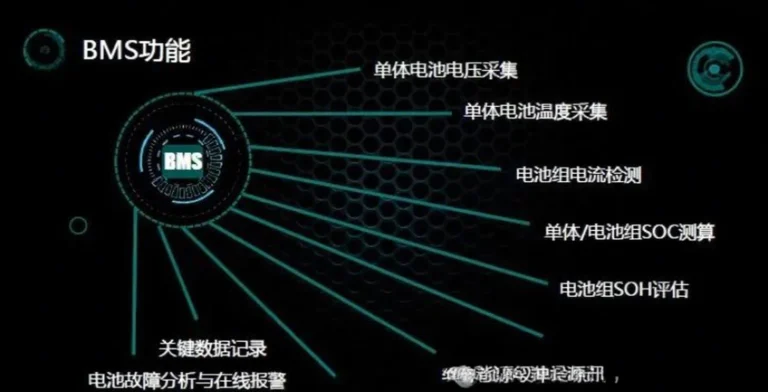
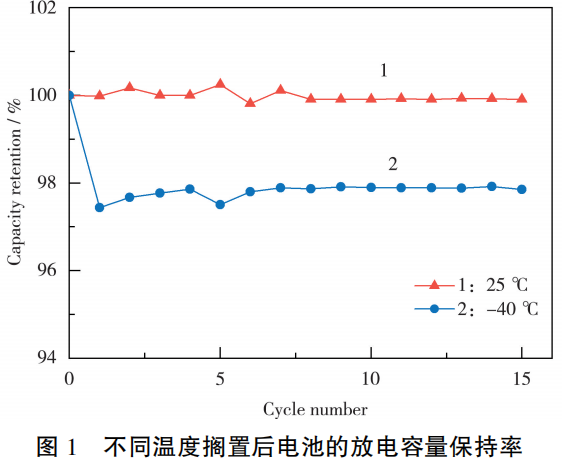
Less free electrolyte means a lower chance of venting if the pack is crushed or punctured by chain kickback debris. Semi-solid packs also handle cold better than many liquid cells, so a saw left in a winter truck bed still starts. Pair the cells with a BMS that monitors per-cell temperature and current, and a crush-resistant housing rated for outdoor jobsites.
Chainsaw Battery Comparison
| Attribute | Semi-Solid | Liquid Li-ion | NiCd |
|---|---|---|---|
| Energy density | High | Medium | Low |
| Thermal stability | High | Medium | Medium |
| Swelling risk | Low | Medium | Low |
| Cold start | Good | Fair | Poor |
| Weight per kWh | Lower | Medium | High |
Sizing a Chainsaw Pack
Match capacity to your bar length and duty. A 14–16 inch bar doing occasional cuts needs roughly 4–6 Ah at 36–40 V; an 18–20 inch pro bar on a busy day wants 8–12 Ah. Look for a pack that sustains the saw’s peak amp rating without BMS cutoff, and carry a second pack so one charges while the other works. Choose a supplier that documents cycle life at high discharge, not just gentle lab ratings.
Charging and Storage on Site
Charge semi-solid packs with a charger that supports the cell’s absorption profile, and avoid placing a hot pack on the charger immediately after a long cutting session — let it cool so the BMS balances cells properly. Store packs at partial charge in a dry, ventilated case away from fuel cans; the reduced free electrolyte makes them less fussy than liquid cells, but good storage still extends cycle life. Label each pack with its cycle count so the weakest one rotates to light-duty work before it ever strands you mid-job.
People Also Ask
Is a semi-solid chainsaw battery available now? Yes — semi-solid cells are shipping in premium cordless tools and pilot forestry equipment as of 2025–2026, with wider rollout expected.
Will it fit my existing chainsaw? Only if the saw is built for that voltage and form factor; most brands keep proprietary packs, so specify the cell build when ordering a replacement or custom pack.
How many cuts per charge? With a 40 V 8 Ah semi-solid pack, expect 60–120 cuts in 6–10 inch softwood before runtime drops noticeably, depending on bar length and wood hardness.
Written by Karl at China Battery Technology. Request a quote.
Related reading: Semi-Solid State Battery for VR Headsets: Lighter, Safer Immersion