Home Energy Storage for Pet Boarding Kennel: Backup That Protects Animals
Home Energy Storage for Pet Boarding Kennel: Backup That Protects Animals
A boarding kennel is a business where a power cut is not an inconvenience but a welfare emergency. Ventilation fans, heating, cooling, and water circulation all stop at once, and in a summer heatwave a closed kennel block overheats within the hour. A properly sized home energy storage system — the same behind-the-meter battery class used for houses and small businesses — keeps climate control and lighting alive through an outage while trimming the daily energy bill that runs those systems the rest of the year.
The Loads That Cannot Wait
Not every circuit needs backing up. Split the panel and protect what affects animals directly: extract and supply ventilation, the heating or cooling that holds the block within range, water pumps, and enough lighting for staff to work and check on residents. Grooming equipment, dryers, the office kettle, and the laundry can all sit on the unbacked side. That triage typically cuts the backup load to a few kilowatts, which a modest battery covers for many hours instead of a large one covering everything for one.
Why a Battery Beats a Generator Here
Generators are loud, and noise in a kennel means barking, stress, and complaints from neighbours who already tolerate a lot. A battery switches in silently within milliseconds, so the fans never actually stop and the animals never register the event. There is no fuel to store near bedding, no exhaust to route away from air intakes, and no monthly test run to schedule. For a facility inside a residential envelope, silence and zero emissions are close to decisive.
Sizing by Objective
| Objective | Typical size | What it buys |
|---|---|---|
| Ventilation ride-through | 10–15 kWh | Fans and lights overnight |
| Full climate control | 20–40 kWh | Heating or cooling through a long cut |
| Time-of-use savings | 15–30 kWh | Night-rate energy for daytime load |
| Solar self-consumption | 20–40 kWh | Retain midday PV for evening use |
Everyday Payback, Not Just Insurance
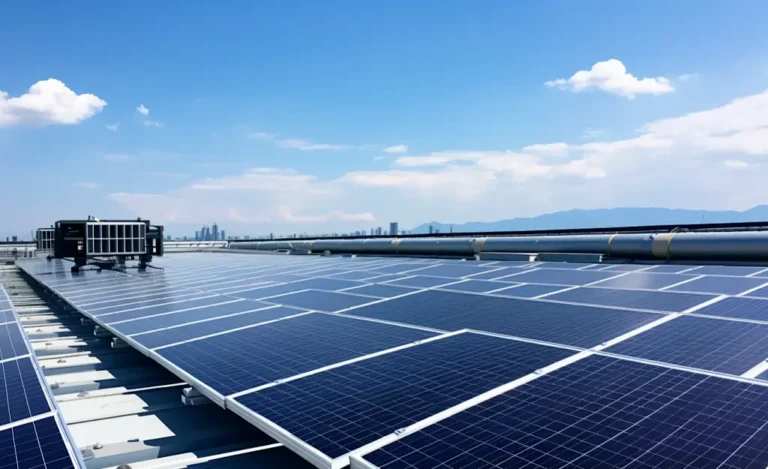
A battery bought purely for emergencies sits idle and earns nothing. Cycling it daily changes the arithmetic: charge on the cheap overnight rate, discharge through the afternoon when ventilation and cooling peak, and clip the demand spike that a bank of compressors starting together creates on a commercial meter. Where rooftop solar exists, the battery keeps midday generation on site for the evening instead of exporting it at a low rate. Those savings run every day of the year, and the outage protection comes free with them.
Chemistry, Siting, and Compliance
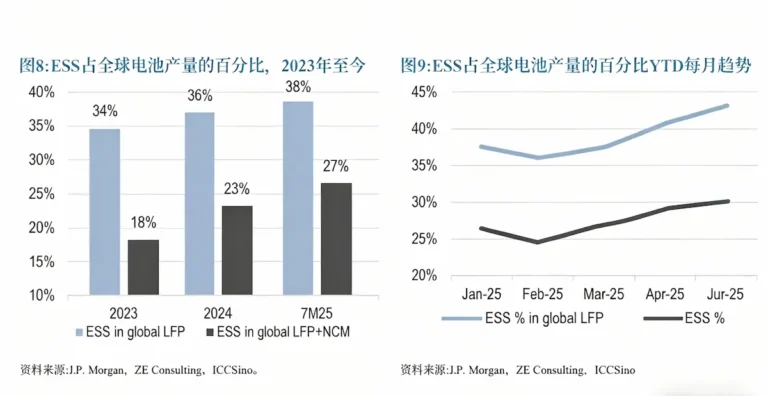
Choose lithium iron phosphate for stationary duty — long cycle life, stable thermal behaviour, and no maintenance. Site the cabinet in a ventilated plant room or a lockable external enclosure away from bedding, straw, and animal access, and check local fire-code separation distances for the enclosure class. Use a listed all-in-one unit with an integrated inverter and automatic transfer, and have the installer document the backed-up sub-panel clearly so night staff know what stays live.
Operating Practice
Test the transfer quarterly at a quiet hour and log the result, so you learn about a failed contactor on your terms rather than during a storm. Keep remote monitoring on a phone with alerting for low state of charge and high cabinet temperature, and review the outage log each season. Confirm your insurer and licensing authority accept the arrangement as your welfare contingency — many will, and some reduce the premium.
People Also Ask
How long will a battery run kennel ventilation? With ventilation and lighting on a dedicated sub-panel, a 10–15 kWh unit typically covers a full night; add capacity if heating or cooling must also run.
Will the animals be disturbed by the battery? No. Stationary storage runs silently apart from a quiet cooling fan, and the switchover is fast enough that ventilation does not audibly stop.
Can I add it to an existing solar install? Usually yes. Most all-in-one units retrofit behind the meter alongside an existing PV inverter; the installer confirms compatibility and any grid-connection paperwork.
Written by Karl at China Battery Technology. Request a quote.
Related reading: Home Energy Storage for Island Communities: Reliable Off-Grid Power