Semi-Solid Battery for Aerospace Systems: Power Where Weight Is Everything
Semi-Solid Battery for Aerospace Systems: Power Where Weight Is Everything
In aerospace, every gram of battery is a gram less payload, range, or fuel. From drone avionics to eVTOL powertrains to satellite buses, designers are turning to semi solid state battery cells that lift energy density well above conventional lithium while keeping manufacturability and safety far ahead of experimental full solid-state. For flight, that extra watt-hour per kilogram can be the difference between a viable aircraft and a paper concept.
Why Aerospace Demands More Density
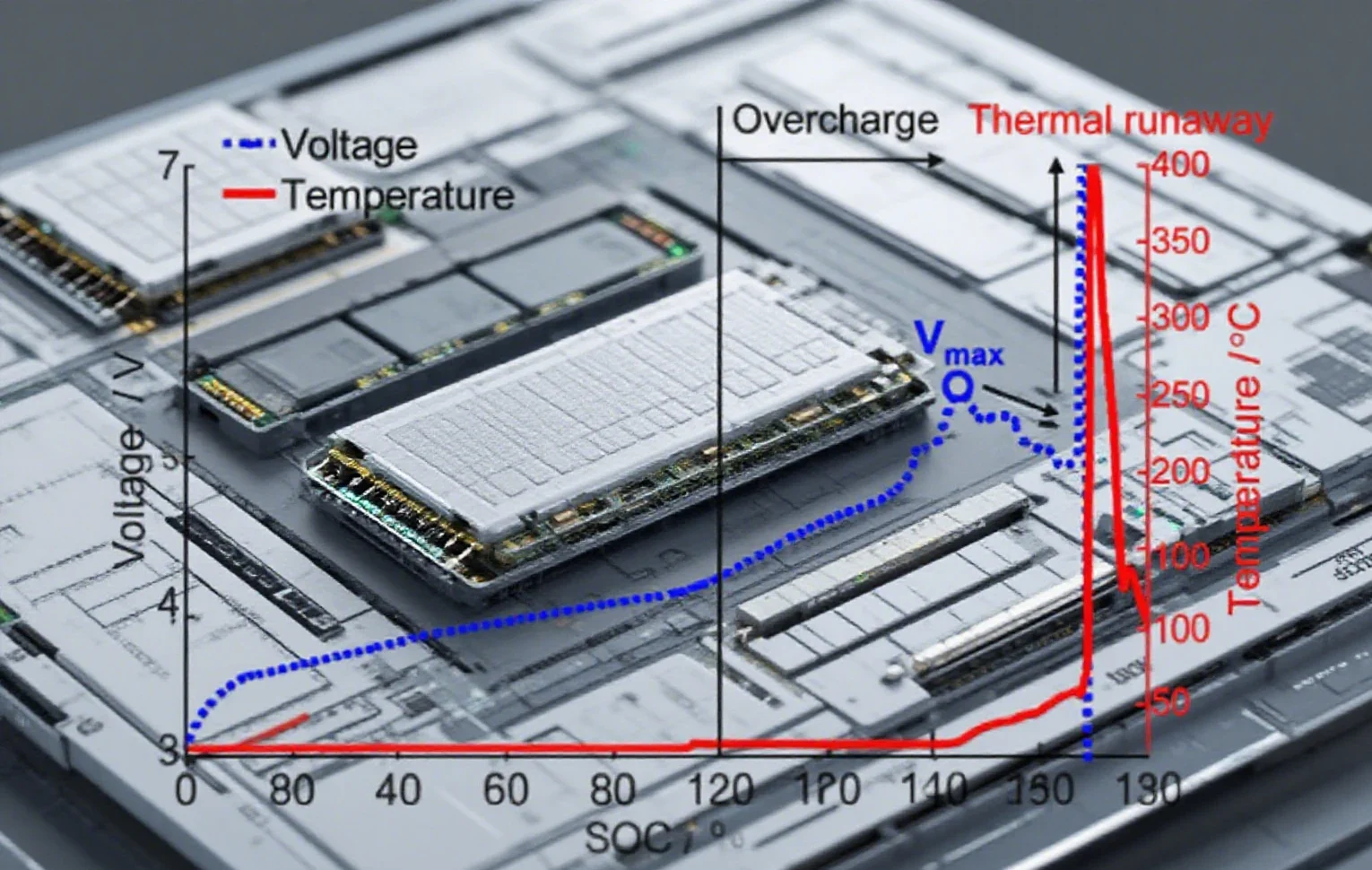
An aircraft battery serves propulsion, avionics, and emergency backup at once, and it must keep working across violent temperature and pressure swings. Higher gravimetric energy density directly extends flight time or payload, while higher volumetric density shrinks the bay. Semi-solid cells replace much of the liquid electrolyte with a composite, cutting leakage and flammability risk — a real concern when the pack is bolted to a pressurized cabin or a rotorcraft.
Safety and Certification Pressure
Aviation fire codes are unforgiving, so the reduced free-electrolyte design of semi-solid cells is a strong selling point: less solvent to vent, slower propagation if a cell is breached. Coupled with cell-level fusing, redundant contactors, and a flight-rated BMS, the pack can meet the isolation and fault-tolerance expectations of DO-311-style Battery Safety design even before full solid-state matures.
Aerospace Cell Comparison
| Attribute | Semi-Solid | Liquid Li-ion | Full Solid-State |
|---|---|---|---|
| Energy density | High | Medium | Highest |
| Flight safety | High | Medium | Very high |
| Maturity / supply | Medium | Very high | Low |
| Cost at volume | Medium | Low | High |
| Temp range | Wide | Medium | Wide |
Design and Integration
Specify the cell form to the airframe, validate the BMS for high-discharge propulsion and micro-current standby, and qualify the pack for the target mission profile — minutes for eVTOL, years for a satellite. Work with a supplier experienced in aerospace-grade traceability, vibration testing, and the documentation auditors expect. Plan thermal management for both cruise cold and climb heat.
People Also Ask
Are semi-solid cells flying yet? Premium drones and eVTOL demonstrators are using them in 2025–2026; broader type certification is scaling now.
When will full solid-state arrive? High-volume aerospace solid-state is still maturing; semi-solid is the practical step available today with better density than liquid cells.
Can it replace lead or NiCd on aircraft? Yes — at a fraction of the weight, with a BMS and charger check to match the new voltage and charge profile.
Written by Karl at China Battery Technology. Request a quote.