Lithium Battery for School Buses: Cleaner, Safer Student Transport
Lithium Battery for School Buses: Cleaner, Safer Student Transport
School buses follow a predictable, stop-and-go duty cycle that is nearly ideal for battery power, and parents increasingly expect the clean air that comes with it. Districts replacing diesel with electric drives are finding that a well-specified lithium battery manufacturer can deliver the energy, safety, and 10-year life needed to make the switch pay for itself. The pack has to survive thousands of short trips, cold morning starts, and a long summer idle without losing capacity.
Why the Bus Duty Cycle Fits Lithium
A typical route is 40–80 km per day with frequent acceleration from stops and a long parked period between the morning and afternoon runs. Lithium accepts regenerative energy from every stop smoothly, and its flat voltage curve means the bus keeps full power until the pack is nearly empty. Because the bus sits idle midday, a single charge often covers both runs, and opportunity charging during layovers removes range anxiety on longer or double routes.
What a School-Bus Pack Must Deliver
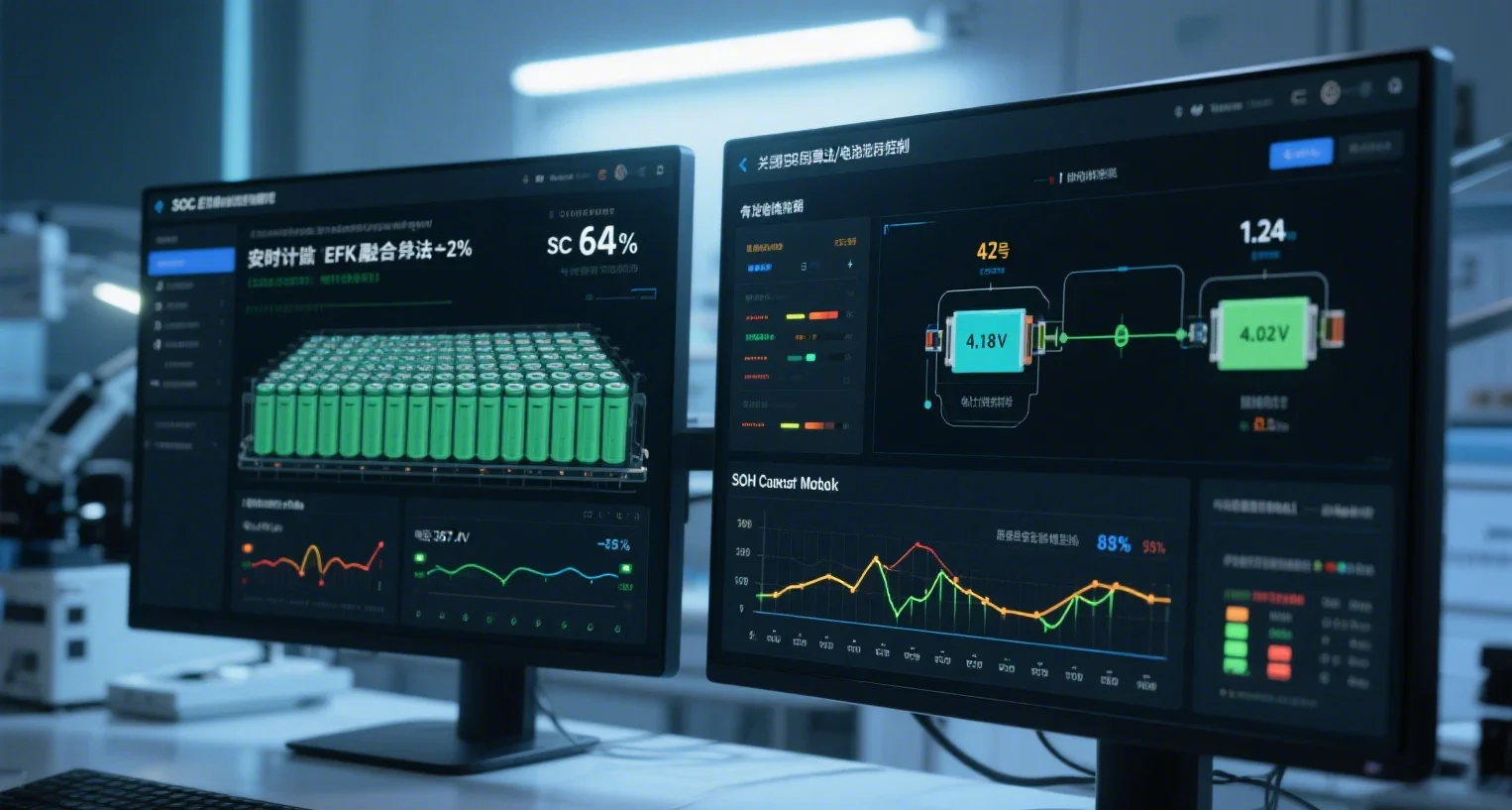
Safety comes first when children are on board, so lithium iron phosphate (LiFePO4) is the default chemistry: stable, hard to ignite, and tolerant of the heat of a sealed battery bay. The pack needs a certified BMS with cell balancing, redundant contactors, and thermal management for −20 °C to +50 °C operation. Fleet telemetry lets the transportation director see state-of-charge and state-of-health across the whole depot from one screen.
School Bus Power Comparison
| Attribute | Electric (LFP) | Diesel | Lead-Acid Hybrid |
|---|---|---|---|
| Energy cost / km | Low | High | Medium |
| Tailpipe emissions | None | High | Medium |
| Maintenance / yr | Low | High | Medium |
| Noise at curb | Very low | High | Medium |
| 10-yr pack life | Yes (LFP) | n/a | Short |
Sizing and Charging
Size the battery to the longest route plus heating and accessory loads, with a margin for cold-weather capacity loss, then choose a depot charger rated for the turnaround window. Many districts charge overnight on low tariff and add a midday top-up for double routes. Pair the bus charger with a managed load so the whole fleet does not trip the school’s main service.
People Also Ask
How far can an electric school bus go? Modern LFP buses cover 150–250 km per charge, enough for the vast majority of district routes with margin for heat and hills.
Will lithium survive a summer of no driving? Yes — self-discharge below 2% per month means a bus parked for weeks still starts the new term at full charge.
Is it cheaper than diesel? After purchase incentives, most districts see lower total cost per km once fuel and engine maintenance are removed.
Written by Karl at China Battery Technology. Request a quote.