Home Energy Storage for Poultry Farms: Keeping Ventilation and Brooders Running Through Outages
Home Energy Storage for Poultry Farms: Keeping Ventilation and Brooders Running Through Outages
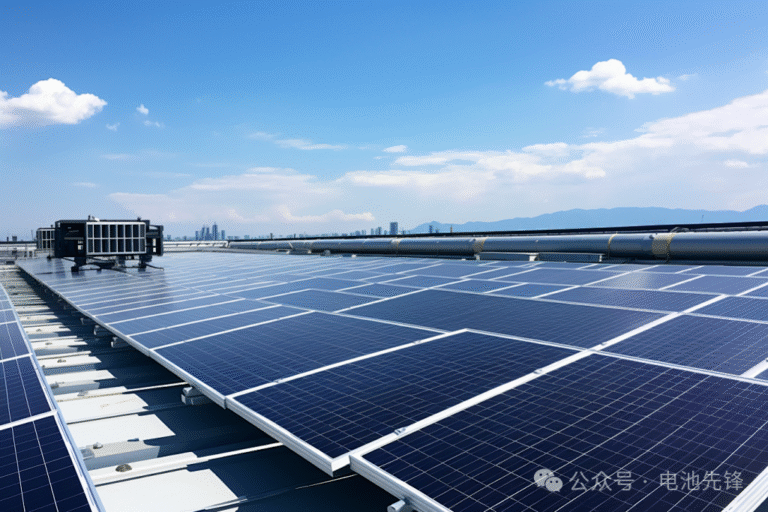
On a tunnel-ventilated broiler house, a summer power cut is not an inconvenience — birds can begin dying from heat stress within 30-45 minutes once the fans stop. Diesel generators remain the traditional answer, but they need fuel, maintenance and a 10-30 second transfer gap that stresses controllers. A properly sized home energy storage system bridges that gap instantly and, paired with rooftop solar, cuts the daytime bill that ventilation racks up. Here is how small and mid-size poultry farms are specifying battery backup in 2026.
What Loads Must Stay Alive
Rank loads by lethality, not convenience. Priority one is ventilation: a 12,000-bird house typically runs 6-10 fans at 500-750 W each, so 4-6 kW continuous. Priority two is the environmental controller and alarms (under 200 W but absolutely critical). Priority three is brooder heating for chicks and water pumps. Lighting and feed augers can usually wait out a short outage.
Sizing the Battery Bank
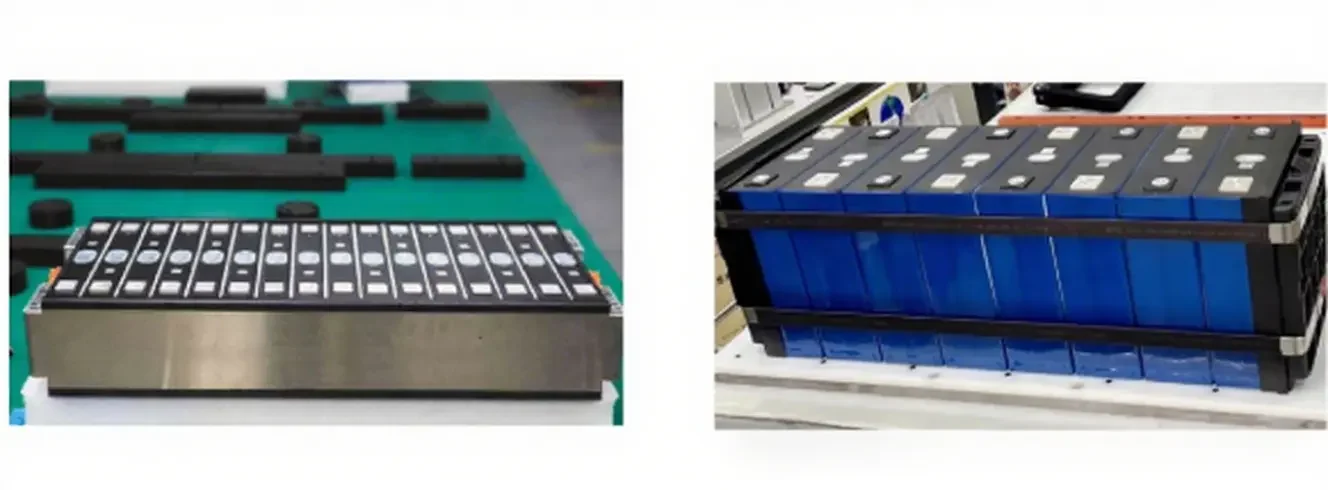
Plan for the longest realistic outage plus generator start time if you keep one. A common small-farm spec is 10-15 kWh of LiFePO4 storage with a 8-10 kW hybrid inverter: enough to carry 5 kW of fans and controls for 2 hours, or minimum ventilation mode overnight. Farms without generators should double that. LiFePO4 is the only sensible chemistry here — 6,000+ cycles, no thermal runaway concerns above bedding litter, and stable performance in a dusty 35°C fan room.
Backup Options Compared
| Option | Transfer time | Running cost | Maintenance | Weak point |
|---|---|---|---|---|
| Diesel generator only | 10-30 s | High (fuel) | Monthly tests, oil | Start failure risk |
| Battery ESS only | <20 ms | Low | Minimal | Finite runtime |
| ESS + solar | <20 ms | Lowest (offsets bills) | Panel cleaning | Higher upfront cost |
| ESS + generator hybrid | <20 ms | Medium | Moderate | Most complex install |
Installation Details That Matter on a Farm
Ammonia, dust and humidity are brutal on electronics. Mount the battery cabinet in a separate clean room or sealed enclosure rated IP54 or better, never inside the bird area. Use an inverter with a true UPS-grade transfer switch so environmental controllers never reboot, and wire the low-battery contact into the farm alarm dialer. Budget roughly 10-13 kWh of storage per 10,000 birds for two hours of full ventilation autonomy.
People Also Ask
How big a battery do I need for a chicken house? Estimate total fan and controller wattage, multiply by target backup hours, then add 20% margin. A 12,000-bird house typically needs 10-15 kWh for 2 hours.
Can solar panels power a poultry farm battery? Yes. A 8-12 kW rooftop array can recharge a 15 kWh bank in one sunny day while also offsetting daytime ventilation costs.
Is LiFePO4 safe in agricultural buildings? LiFePO4 is the most thermally stable mainstream lithium chemistry and is widely approved for farm installations when housed in a ventilated, dust-protected enclosure.
Written by Karl at China Battery Technology. Request a quote.
Related reading: Home Energy Storage for Island Communities: Reliable Off-Grid Power