Home Energy Storage for Home Dialysis: Backup You Can Depend On
Home Energy Storage for Home Dialysis: Backup You Can Depend On
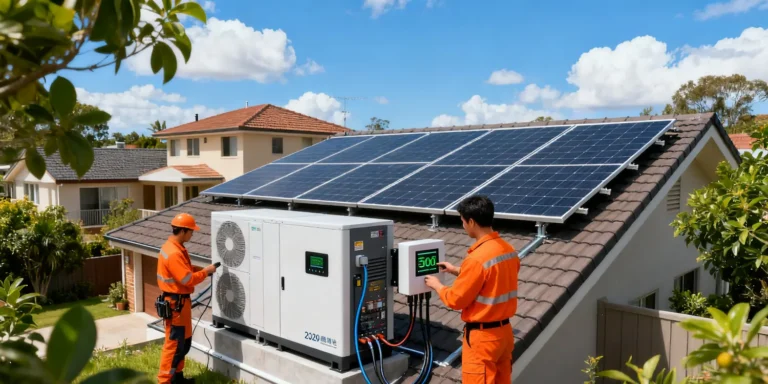
Home haemodialysis and peritoneal dialysis have moved thousands of treatments out of clinics and into spare bedrooms. The clinical case is strong; the electrical case is rarely discussed until the first outage. A machine mid-treatment with 200 millilitres of a patient’s blood in the extracorporeal circuit does not tolerate a blackout gracefully. A properly specified home energy storage system turns that scenario from an emergency into a non-event, and unlike a portable generator it works instantly, indoors, and without anyone going outside in the dark.

Understanding the Load
The dialysis machine itself is modest: 300–500 W average for most home haemodialysis units, with the heater raising it to 1200–1500 W during warm-up. What people forget is everything around it. A reverse osmosis water treatment unit adds 300–800 W while its pump runs. Cyclers for peritoneal dialysis are lighter, often under 150 W. Then there is the ancillary set nobody lists: room lighting so the nurse or partner can see the lines, a laptop or tablet for the treatment log, and, in hot climates, a fan or split unit because a five-hour session in a stifling room is its own clinical risk.
Sizing for a Full Treatment
Add the sustained loads honestly. A four-hour haemodialysis session with water treatment typically consumes 3–5 kWh including the warm-up peak. Sizing a 10 kWh battery with a 5 kW inverter therefore covers a full session plus the rinse-back and machine disinfection cycle, with reserve left for the fridge and lighting until the grid returns. Households doing nocturnal dialysis five nights a week should size for a complete overnight run rather than a partial one.
Transfer Time Is the Detail That Matters
Not every home battery is a UPS. A grid-tied system with a standard changeover relay can take 10–30 milliseconds — fine for a fridge, usually fine for a dialysis machine, but confirm it against the manufacturer’s ride-through specification. Some machines alarm and enter a safe-stop state on any interruption, which means a supervised manual restart. Where the machine is intolerant, specify an online double-conversion arrangement or a dedicated UPS in front of the machine, fed in turn by the house battery. Belt and braces is the right posture for medical loads.
Backup Options for Home Dialysis
| Attribute | 10 kWh LiFePO4 Home Battery | Portable Generator | Small Desktop UPS |
|---|---|---|---|
| Runtime for full session | Yes, 4–6 hours plus | Yes, while fuelled | 10–30 minutes |
| Switchover | Automatic, milliseconds | Manual, 2–10 minutes | Automatic |
| Indoor safe | Yes | No, CO risk | Yes |
| Runs RO water unit | Yes | Yes | No |
| Everyday value | Solar and tariff shifting | None | None |
| Maintenance | Annual check | Fuel, oil, test runs | Battery every 3–5 years |
Wiring the Critical Loads Sub-Panel
The cleanest installation puts the dialysis room on a dedicated backed-up sub-panel: machine socket, RO unit, room lighting, and one general socket, plus the kitchen refrigerator if medication is stored there. Keeping the electric shower, oven and heat pump off that panel prevents a family member from unwittingly flattening the reserve mid-treatment. Label the sockets clearly and colour the faceplates — in an outage at two in the morning, nobody should be guessing which outlet is live.
Why Chemistry and BMS Quality Matter Here
This is a load where a cheap pack is a false economy. Lithium iron phosphate is the right chemistry for an occupied dwelling: stable, non-propagating in abuse testing, and good for 6000 cycles so the reserve is still there in year ten. Insist on cell-level monitoring, a documented UL 9540A or equivalent test report, and IEC 62619 certification. Ask the supplier how the system behaves when a single cell drifts — a good BMS warns weeks in advance; a poor one simply shuts the pack down at the worst moment.
Tell the Utility and the Renal Unit
Two administrative steps are worth more than most hardware upgrades. Register the household on the utility’s medical priority or vulnerable customer list, which brings faster restoration and advance notice of planned works. Second, give the renal unit’s technical team the backup specification so it forms part of the home treatment risk assessment. The battery is one layer; the documented plan for what happens if it is exhausted is the other.
People Also Ask
Will a home battery run the reverse osmosis unit too? Yes, if the inverter is sized for the pump’s starting surge. Include the RO unit in the load calculation from the beginning; retrofitting it onto an undersized inverter is the usual source of nuisance trips.
Do I still need a generator as well? For most households, no. In regions with multi-day outages, a small inverter generator kept as a battery charger — not as the direct supply — gives indefinite endurance while keeping the clean power path intact.
Can solar be added later? Yes. Choose a hybrid inverter with spare PV inputs at installation. Adding panels afterwards then costs a day’s work instead of replacing the inverter.
Written by Karl at China Battery Technology. Request a quote.
Related reading: Home Energy Storage for Island Communities: Reliable Off-Grid Power