Semi-Solid-State Battery for Power Banks: Safer Pocket Charging
Few battery products live as close to the human body as a power bank. It rides in a backpack, sits under a pillow on a night train, and gets left on a dashboard in August. Every airline safety video about thermal runaway features exactly this product category, because a conventional liquid-electrolyte pouch cell that has been punctured, overcharged, or slowly degraded by heat can vent. A semi solid state battery replaces most of that free liquid electrolyte with a gel or semi-solid matrix, which sharply reduces the fuel available for a runaway event while raising the energy that fits into the same enclosure.
What Semi-Solid Actually Means
Semi-solid-state is not the same as all-solid-state. In a semi-solid cell, the electrolyte is a highly viscous gel or a composite with a small liquid fraction — typically under 10% — rather than a fully solid ceramic or sulfide layer. That compromise is deliberate: it captures most of the safety benefit and allows higher-voltage, higher-capacity electrodes, while avoiding the brittle-interface and pressure problems that keep true all-solid-state cells out of cost-sensitive consumer products. For a power bank, where the alternative is a commodity 18650 or pouch cell, the trade is compelling.
Benefits Buyers Actually Notice
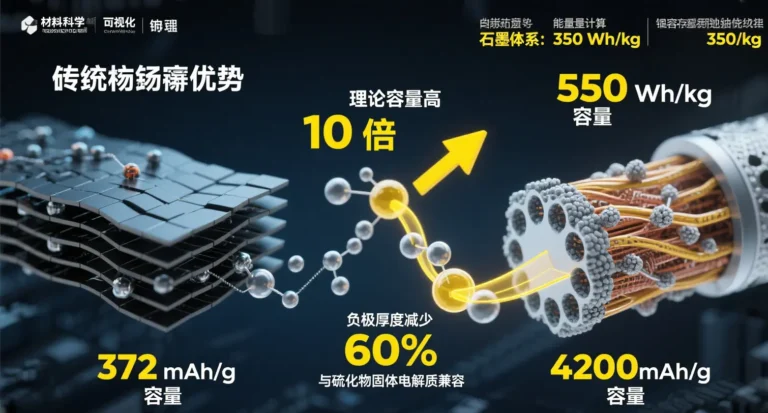
Three improvements matter in daily use. First, safety: with far less free electrolyte, a damaged cell is much more likely to lose capacity than to ignite, and swelling — the failure that quietly ruins most two-year-old power banks — is dramatically reduced. Second, energy density: semi-solid designs reach roughly 300–400 Wh/kg at the cell level, meaning a 20,000 mAh bank can shrink noticeably or a same-size bank can jump in capacity. Third, cycle life: the more stable electrode-electrolyte interface slows the capacity fade that normally shows up after 300–500 charges.
Power Bank Battery Comparison
| Attribute | Semi-Solid-State | Standard Li-Polymer | 18650 Li-Ion |
|---|---|---|---|
| Cell energy density | 300–400 Wh/kg | 180–250 Wh/kg | 200–260 Wh/kg |
| Swelling after 500 cycles | Minimal | Noticeable | N/A (steel can) |
| Thermal runaway risk | Low | Medium | Medium |
| Cycle life to 80% | 800–1200 | 300–500 | 500–800 |
| Fast charge support | Good | Moderate | Moderate |
| Unit cost | Higher | Low | Lowest |
Specifying a Semi-Solid Power Bank
Look past the mAh headline. Confirm the cell-level energy density claim, the number of cycles to 80% capacity retention, and the maximum continuous charge and discharge rate in amps — a 100 W USB-C Power Delivery bank needs cells that can sustain roughly 3 A with margin. Check that the pack carries UN38.3 test documentation for air transport and that the enclosure includes a proper thermal fuse and over-current protection. If the product will be sold into aviation-adjacent or enterprise channels, ask for nail-penetration and overcharge test reports from an accredited lab.
Choosing the Right Supplier
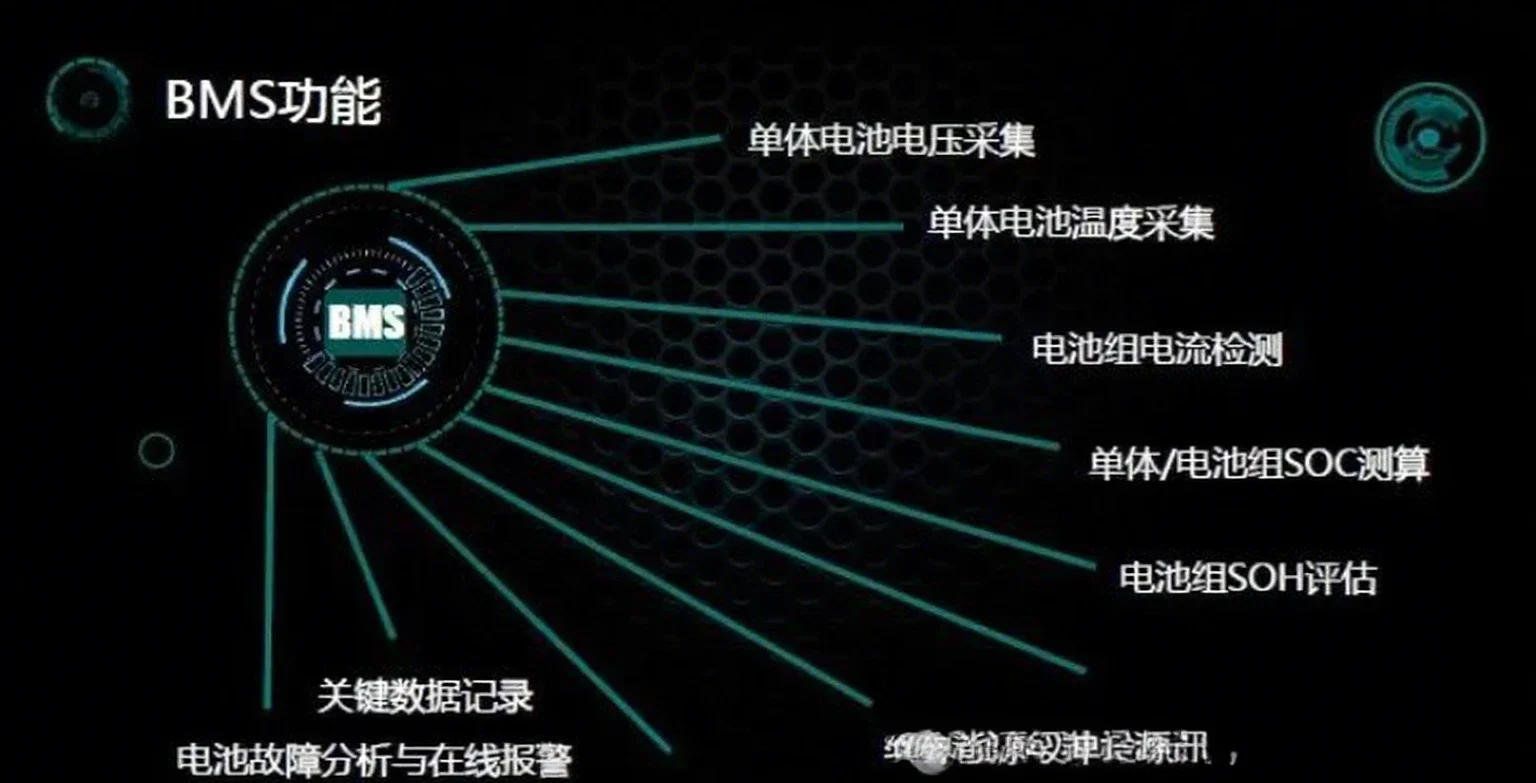
This segment is full of misleading marketing, so verification matters. Ask the manufacturer to state the actual liquid electrolyte fraction in the cell, not just the “solid state” label, and to provide cell-level (not pack-level) energy density figures. Request cycle-life data at the charge rate the product will actually use, and confirm that the BMS supports the USB-PD or Quick Charge profile you intend to certify. A credible supplier will share third-party test reports without hesitation.
People Also Ask
Are semi-solid-state power banks safe to fly with? Yes, and they are easier to certify than conventional designs because the reduced electrolyte content lowers the runaway risk. They must still meet the 100 Wh carry-on limit and carry UN38.3 documentation.
Do they charge faster? Generally yes at the cell level, because the semi-solid interface tolerates higher charge currents with less degradation. The real-world speed still depends on the USB-PD controller and cable.
Why do they cost more? Lower production volumes and tighter process control add cost today, though the gap narrows as capacity scales. The premium buys safety, cycle life, and a smaller, lighter product.
Written by Karl at China Battery Technology. Request a quote.
Related Reading
- semi-solid-state battery guide
- Semi-Solid-State Battery for Rugged Tablets: Field Power Guide
- Semi-Solid-State Battery for Portable Spectrometer: Field Power