Semi-Solid Battery for Foldable Phones: Thin, Safe, Long-Lasting
Semi-Solid Battery for Foldable Phones: Thin, Safe, Long-Lasting
Foldable and rollable phones ask their battery to do something a slab phone never demands: bend, flex, and survive tens of thousands of fold cycles while staying paper-thin and safe against the user’s hand. A semi solid state battery answers that brief better than conventional liquid lithium, bridging today’s manufacturing reality with the promise of full solid-state by cutting free electrolyte, boosting energy density, and improving safety.
Why Foldables Break Conventional Cells
A traditional pouch cell filled with liquid electrolyte hates repeated flexing — the electrolyte can pool, the separator can shift, and mechanical stress raises the risk of internal shorts. Foldables also split the battery into two thin packs around the hinge, so every cubic millimeter counts. Semi-solid cells replace most of the liquid with a gel or composite electrolyte, which tolerates bending, resists leakage, and lets designers push a thinner, higher-capacity cell into the same chassis.
Energy Density and Safety Together
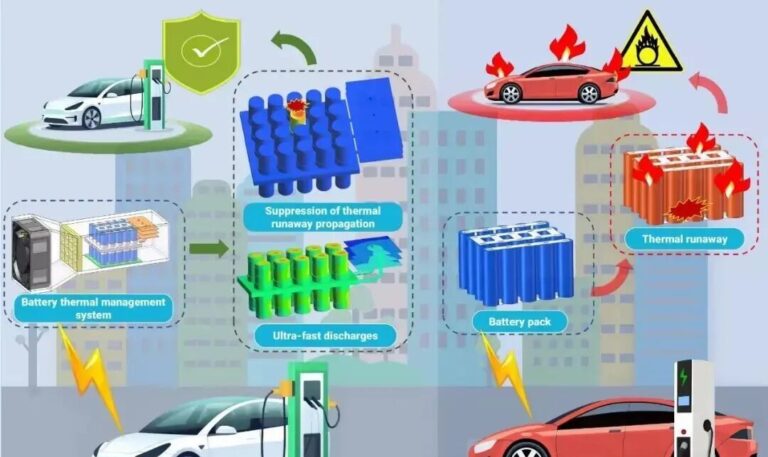
The whole point of a foldable is a big screen in a pocketable body, and that screen is power-hungry. Semi-solid chemistry raises energy density over standard Li-ion, so the phone lasts a full day despite the larger display. At the same time, reduced free electrolyte lowers the chance of thermal runaway and swelling — important for a device held in the hand and folded thousands of times — without the yield and cost penalties that still limit full solid-state at phone volumes.
Foldable Cell Comparison
| Attribute | Semi-Solid | Liquid Li-ion | Full Solid-State |
|---|---|---|---|
| Energy density | High | Medium | Highest |
| Flex / fold tolerance | Good | Poor | Excellent |
| Swelling risk | Low | Medium | Very low |
| Mass-production maturity | Growing | Very high | Early |
| Relative cost | Medium | Low | High |
Design Considerations
Split the capacity into two matched thin cells on either side of the hinge and validate them for the target fold count — premium foldables are rated for 200,000+ cycles, so the battery must not be the weak link. Specify a BMS tuned for the phone’s low standby drain and fast-charge profile, and qualify the cell for the device’s flex radius and temperature range. Work with a manufacturer experienced in thin-pouch semi-solid assembly and the traceability consumer-electronics OEMs require.
The Road to Full Solid-State
Semi-solid is best understood as the shipping-today rung on the ladder toward full solid-state. Full solid-state promises the highest energy density and the best safety, but manufacturing yields, interface stability, and cost still limit it at phone volumes. Semi-solid keeps the proven roll-to-roll electrode process while swapping most of the liquid for a gel or composite, so device makers capture much of the safety and density benefit now, using tooling that already scales. As solid electrolytes mature, the same design lessons — split cells, flex validation, tuned BMS — carry directly forward, making semi-solid both a product today and a rehearsal for the foldables of the next few years.
People Also Ask
Are semi-solid batteries in shipping phones yet? Semi-solid cells are already in premium and pilot devices as of 2025–2026, and are the practical step toward full solid-state for consumer electronics.
Do they really last longer per charge? Higher energy density lets a foldable run its large display for a full day in the same or smaller volume than a liquid Li-ion cell.
Are they safer when folded? Reduced free electrolyte lowers leakage and thermal-runaway risk under repeated flexing, a key reason foldable designers evaluate semi-solid cells.
Can semi-solid cells be split around a hinge? Yes — capacity is commonly divided into two matched thin cells on either side of the fold, each validated for the device fold count and radius.
Written by Karl at China Battery Technology. Request a quote.
Related reading: Semi-Solid State Battery for VR Headsets: Lighter, Safer Immersion