Semi-Solid Battery Silicon Anode: More Capacity Guide
Silicon anodes store far more lithium than graphite, and pairing them with semi-solid electrolyte unlocks density. A trusted semi solid state battery supplier must also tame silicon’s expansion. Materials engineering is the hard part.
The Capacity Prize
Silicon offers several times graphite’s gravimetric capacity, directly raising the watt-hours a pack can hold.
The gain shows up as either longer range for the same weight or lighter packs for the same range across applications.
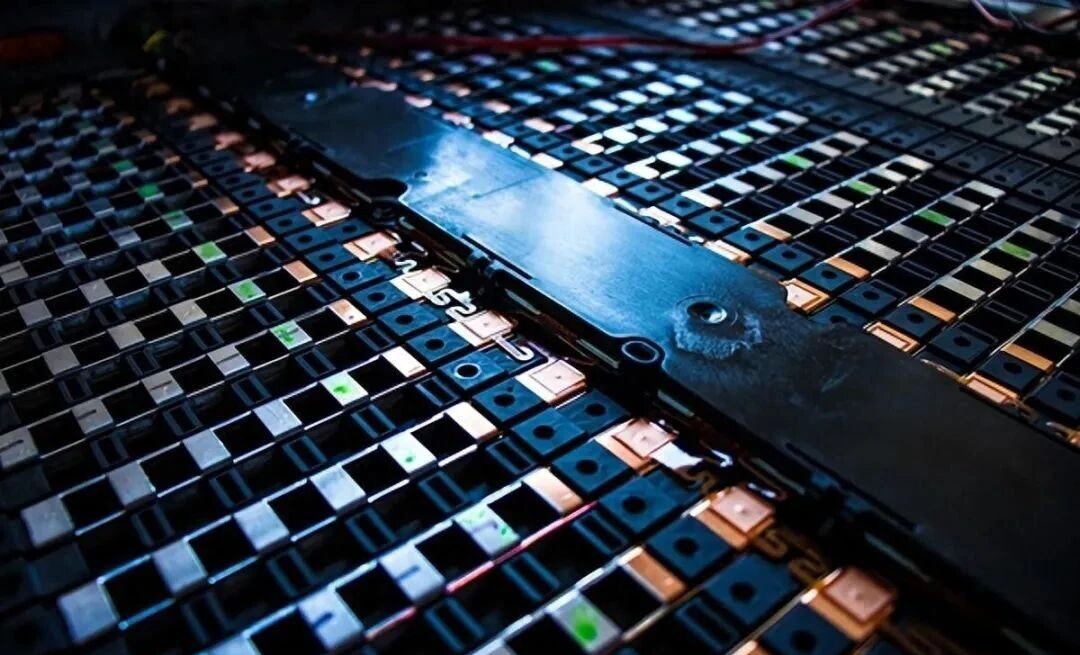
Expansion Challenge
Silicon swells markedly on charge, stressing interfaces and shortening life if the design does not accommodate it.
Semi-solid electrolytes and engineered composite anodes help absorb volume change and stabilise the surface.
Balancing Act
Most designs blend silicon with graphite to trade some capacity for durability that real duty cycles actually require.
The optimum silicon fraction depends on whether the product prioritises range, life, or cost in its market.

Comparison at a Glance
| Anode | Capacity | Durability |
|---|---|---|
| Graphite | Baseline | High |
| Si-blend | Higher | Medium |
| Pure Si | Max | Hard |
People Also Ask
Why add silicon to the anode? Silicon stores far more lithium than graphite, raising energy density at the cost of managing expansion.
Frequently Asked Questions
Does silicon shorten life?
It can, unless expansion is engineered with composites and a compatible electrolyte.
Why not pure silicon?
Expansion and interface stress make pure silicon durable only in niche, low-cycle uses.
Key Takeaways
- Target capacity gain.
- Engineer expansion.
- Blend for life.
- Match to market.
Selection Criteria
When you evaluate a semi solid state battery silicon anode, the lowest quote is rarely the best value, because the cheapest pack can fail earliest once it meets real load and temperature swings. A qualified semi solid state battery will help you match capacity, peak discharge rate, and certification to your actual duty cycle rather than a marketing figure on a spec sheet. Prioritise Target capacity gain., Engineer expansion., and Blend for life. during supplier review, and confirm warranty and field-support terms in writing before you commit to a purchase.
Remember that total cost of ownership also includes energy efficiency, expected cycle life, and the availability of spares and local service, all of which frequently matter more than the initial sticker price you are quoted today. Ask for references from operators running the same application, and validate the battery against a representative duty cycle before scaling the deployment across your whole fleet.
- Target capacity gain.
- Engineer expansion.
- Blend for life.
- Match to market.
As a practical next step, shortlist two or three suppliers and request a reference installation in an application close to yours. A credible semi solid state battery will share independent case studies, validated test data, and an operator contact you can call. Compare the support offered after the sale as carefully as the headline specification, because that ongoing support often decides whether the semi solid state battery silicon anode delivers its promised value across the full service life rather than only on the first day of operation.
Finally, document your acceptance criteria before delivery: the test results, warranty terms, and service response time you expect in writing. Clear expectations prevent disputes later and give both sides a measurable standard for a successful and repeatable handover of the system.
Written by Karl at China Battery Technology. Request a quote.
Related reading: Semi-Solid State Battery for VR Headsets: Lighter, Safer Immersion
Related Reading
- semi-solid-state battery guide
- Semi-Solid Battery Cycle Stability: Years Not Cycles
- Semi-Solid Battery for Data Center: Space-Saving Backup