Semi-Solid-State Battery for Helicopter: Lighter, Safer Power
Semi-Solid-State Battery for Helicopter: Lighter, Safer Power
Rotorcraft live and die by weight. Every kilogram of battery you add is a kilogram of payload or fuel you lose, so helicopter electrification demands the highest practical energy density with uncompromising safety. A semi solid state battery sits between today’s liquid lithium-ion and full solid-state, lifting cell energy past 300 Wh/kg while keeping the manufacturing maturity operators can certify today.
Why Helicopters Need Better Batteries
Hybrid and electric helicopters use batteries for main propulsion, tail-rotor replacement, or emergency power. A lighter, denser cell extends range, improves hover efficiency, and reduces structural load. Just as important, rotorcraft certification demands cells that fail gracefully — reduced flammable electrolyte is a direct safety win in a confined cabin and fuel-adjacent airframe.
Semi-Solid vs Li-ion vs Solid-State
| Attribute | Li-ion (liquid) | Semi-solid-state | Full solid-state |
|---|---|---|---|
| Energy density | 180–260 Wh/kg | 300–360 Wh/kg | 400+ Wh/kg (target) |
| Flammable electrolyte | High | Reduced | None |
| Certifiability today | Yes | Yes (scaling) | Limited |
| Cost | Lowest | Mid | Highest |
Weight and Range Gains
Swapping a liquid Li-ion pack for semi-solid cells at equivalent energy can cut battery mass by 20–30%, translating directly into longer flight time or extra payload. For emergency-power and auxiliary applications, the same mass saving frees cabin space and simplifies installation in awkward airframe bays.
Safety in Aviation
Replacing most liquid electrolyte with a composite or gel reduces the fuel load available for thermal runaway and lowers off-gassing risk near avionics and occupants. Combined with a certified enclosure and cell-level fusing, semi-solid is the lower-risk path to solid-state-class performance under current airworthiness thinking.
Sizing and Certification
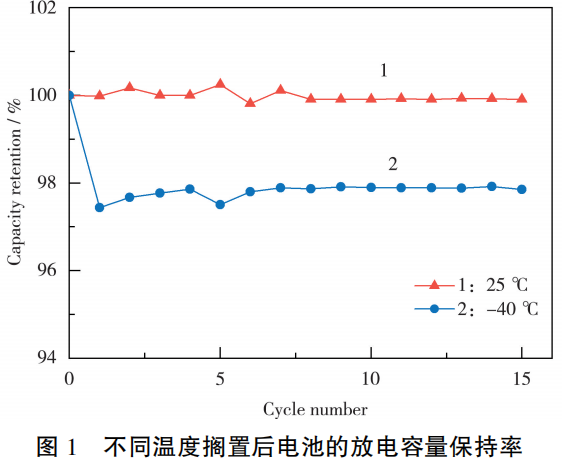
Size the pack to the mission profile — peak discharge during takeoff/climb, sustained draw in cruise, and the mandated reserve for emergency landing. Specify operating range from −40 °C to +70 °C, vibration and altitude qualification, and a BMS reporting state-of-charge and cell health to the flight system. Work with a supplier experienced in aerospace-grade traceability and documentation.
Integration Roadmap
Most operators start with semi-solid cells in auxiliary or emergency roles — backup attitude instruments, emergency beacon, or tail-rotor assist — where a lighter, safer pack proves itself without risking primary propulsion. Once flight data builds confidence, the same cells migrate into hybrid main drivetrains, letting engineers retire mass and reclaim payload step by step rather than betting the airframe on unproven chemistry in a single leap.
Cost and Certification
Semi-solid packs cost more than commodity Li-ion today, but the weight saving pays back in fuel, payload, and reduced structural reinforcement. Certification is the longer pole: plan early engagement with airworthiness authorities, supply full cell-level test data, and choose a manufacturer already shipping aerospace-grade cells. Operators who move first will set the reference designs the rest of the industry follows, and lock in the supply chain before volume scales.
What to Specify
Ask suppliers for actual flight-cycle test results rather than just lab cells, plus a clear plan for cell replacement and recycling at end of life. Pair the pack with a certified enclosure and a BMS your maintenance team can read without specialist tools, and qualify the whole assembly under the same environmental and vibration standards as the rest of the airframe.
Getting Started
The practical first step is a feasibility study on a single aircraft or subsystem, comparing semi-solid against the current Li-ion pack on weight, range, and certification path. A focused pilot de-risks the technology for your airframe and produces the flight data suppliers need to scale the design across the fleet with confidence.
People Also Ask
Are semi-solid cells flying yet? They are entering premium mobility and aviation pilot programs as of 2025–2026, with energy densities that already beat liquid Li-ion.
When will full solid-state arrive? High-volume aviation solid-state is still scaling; semi-solid is the certifiable step available now.
Written by Karl at China Battery Technology. Request a quote.
Related reading: Semi-Solid State Battery for VR Headsets: Lighter, Safer Immersion