Lithium Battery for Reach Trucks: Boost Warehouse Throughput
Lithium Battery for Reach Trucks: Boost Warehouse Throughput
Reach trucks are the workhorses of narrow-aisle warehousing, lifting pallets to third-tier racking while operators chase ever-tighter pick windows. As operations move to 24/7 shifts, the battery, not the truck, becomes the bottleneck. A trusted lithium battery manufacturer can spec a LiFePO4 pack that charges during coffee breaks and never forces a truck off the floor for a swap, keeping the whole aisle productive.

Why Reach Trucks Need Lithium
Reach trucks draw irregular, high-current pulses for lift and drive, then sit idle between moves. Lead-acid hates that profile: partial-state cycling sulfates plates and slashes life, while mandatory watering and equalization eat labor hours. Lithium accepts opportunity charging, so a 10-minute top-up between tasks replaces a dedicated charging window. The result is more available truck-hours per day from the same fleet.
LiFePO4 vs Lead-Acid for Reach Trucks
| Attribute | LiFePO4 | Lead-Acid |
|---|---|---|
| Cycle life | 3000–6000 | 800–1500 |
| Charge time to 80% | 1–2 hours | 8+ hours |
| Opportunity charging | Yes | No (damages) |
| Maintenance | None | Watering/equalize |
| Weight | ~40% lighter | Heavy |
| Usable capacity | 100% | ~80% |
Sizing and Voltage
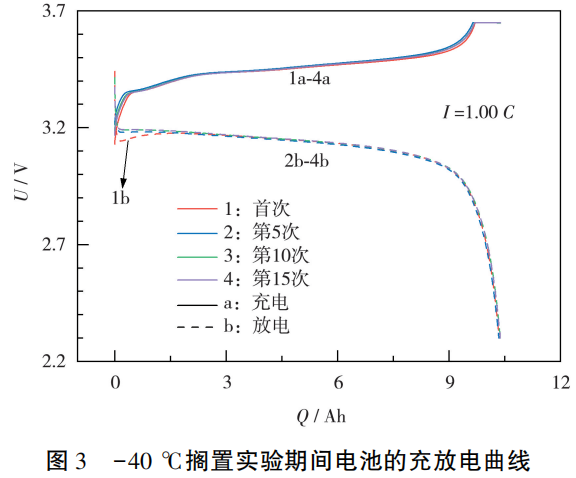
Most reach trucks run 24 V or 48 V systems. Size the pack to cover a full shift at peak duty plus a safety margin, and confirm the truck’s controller tolerates lithium’s flat discharge curve (voltage stays high until empty, unlike lead-acid’s sag). A good manufacturer maps the pack to the existing tray and supplies a drop-in BMS that speaks the truck’s CAN or contactor interface, so no rewiring is needed.
Charging and Opportunity Charging
Deploy chargers at break areas and docking stations rather than a central battery room. Lithium’s tolerance for partial charging means operators can plug in during any pause without harming lifespan. Track each pack’s throughput in fleet software to schedule balanced maintenance before capacity fades mid-quarter, and avoid mixing lead-acid and lithium chargers on the same bay.
Safety and Maintenance
LiFePO4 is intrinsically stable — no thermal runaway risk like some higher-energy chemistries — which matters in packed aisles near cardboard and racking. Sealed cells eliminate acid spills and gassing, so no dedicated battery-ventilation room is required. With no watering, the main “maintenance” is a quarterly BMS health check and keeping terminals clean.
The payback shows up fast: fewer chargers, no battery room labor, and more sellable picks per hour easily offset the higher upfront cell cost within the first year of multi-shift operation.
Choosing the Right Supplier
Ask for cycle-life data at your real depth-of-discharge, IP ratings for dusty environments, and a warranty that matches your duty cycle. Insist on certified cells, a documented BMS communication protocol, and local support so a failed module is swapped, not the whole truck parked. A manufacturer with material-handling references will spec the right pack on the first try.
Real-World Deployment Example
A three-shift e-commerce DC with 12 reach trucks switched from lead-acid to LiFePO4 and reclaimed a charging room plus two labor hours per truck per week. Operators top up during breaks, so all 12 trucks stay available through peak and the site delayed a planned fleet expansion by a year. The same pack also feeds the truck’s onboard telematics, giving managers live state-of-health without extra sensors.
People Also Ask
Can lithium replace lead-acid in my existing reach truck? In most cases yes — a drop-in LiFePO4 pack with a compatible BMS fits the original tray, though the charger may need a lithium profile.
How much throughput do I gain? Sites typically recover 15–30% more productive truck-hours per shift by eliminating charging swaps and equalization downtime.
What about cold storage reach trucks? Lithium handles cold aisles far better than lead-acid, which loses capacity below 0 °C; specify cells rated for the low end of your freezer range and avoid heaters that waste energy.
Written by Karl at China Battery Technology. Request a quote.
Related reading: Lithium Battery for Electric Winch: Cranking Power Without the Voltage Drop
Related reading: Lithium Battery for Broadcast Cameras: Power for Long Shoot Days