Lithium Battery for Golf Course Maintenance
Lithium Battery for Golf Course Maintenance
A golf course runs on early mornings. Mowers, irrigation pumps and buggy fleets all want power before most of the grid’s customers wake up, which means a course pays peak-adjacent tariffs for work that has to happen at dawn, and pays again in demand charges for a pumping station that fires up in a concentrated window. Working with a lithium battery manufacturer to place storage at the maintenance facility turns that pattern on its head: charge overnight on the cheap rate, discharge into the dawn peak, and let the irrigation controller run on a stiff local source instead of a long, sagging feeder.
Where a Course Actually Consumes Power
Three loads dominate. The maintenance shed, with battery chargers for a growing fleet of electric mowers and utility vehicles. The irrigation system, with a pump station that draws hard for a two-to-four-hour window. And the clubhouse, which peaks in the evening rather than the morning. Because the peaks do not overlap, a single well-sited battery can serve all three by shifting energy across the day rather than adding capacity.
Charging an Electric Mower Fleet
Electrifying the fleet is where most courses start, and it usually exposes the supply limit first. Twenty mowers and utility vehicles charging overnight is a substantial simultaneous load in a shed that was never wired for it. Storage at the shed absorbs the overnight charge window at off-peak rates and delivers it to the chargers at whatever rate they want, so the fleet is ready at 5 a.m. without a supply upgrade and without diesel tow-behind generators on the fairway.
| Attribute | Lithium storage | Diesel tow generator | Grid upgrade |
|---|---|---|---|
| Dawn-peak coverage | Yes | Yes, noisy | No tariff benefit |
| Noise near play | Silent | High | Silent |
| Fuel handling on course | None | Ongoing | None |
| Deployment speed | Weeks | Days | Months |
| Off-peak arbitrage | Yes | No | No |
Irrigation Pump Stations and Voltage Drop
Pump stations sit at the far end of the property, which is exactly where voltage drop is worst and where a supply upgrade is most expensive. A battery at the station supplies the pump’s inrush locally, so motors start against a stiff source and the long feeder only has to carry the average power. Fairways at the far end stop being the ones that trip, and the pump station stops being the reason the greens get hand-watered.
Keeping Play Quiet
Noise is a quality-of-experience issue on a course, and members notice. Anything that removes engine noise from the early-morning window is a visible improvement, and it also simplifies the environmental picture: no fuel stored near watercourses, no drip trays, no spill response plan for a generator that only runs forty hours a year.
Clubhouse Resilience
The clubhouse carries refrigeration for food service, point-of-sale, and often a function room that cannot be evacuated mid-event in a storm. Put those circuits on a backed-up sub-panel with four hours of autonomy. It is a modest addition to the same system and it converts an outage from a cancelled event into a minor inconvenience.
Siting and Environmental Considerations
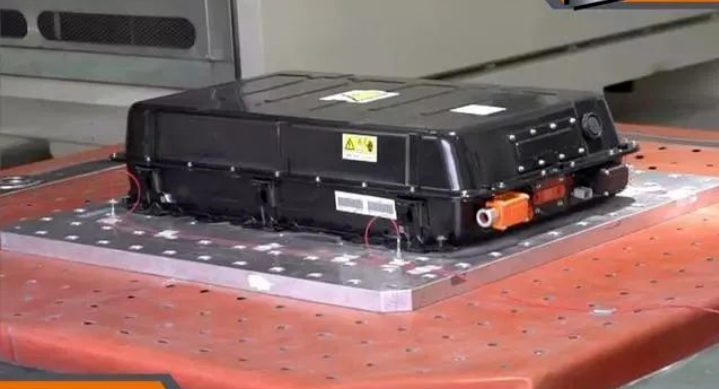
Keep the enclosure out of play sightlines, above any known flood level, and clear of irrigation spray. Courses are chemically active environments — fertiliser and pesticide storage should not share a room with power electronics. A compact, sealed, coated cabinet on a concrete pad behind the maintenance shed is usually all that is needed, and it needs no fuel bund or exhaust clearance.
What to Ask a Supplier
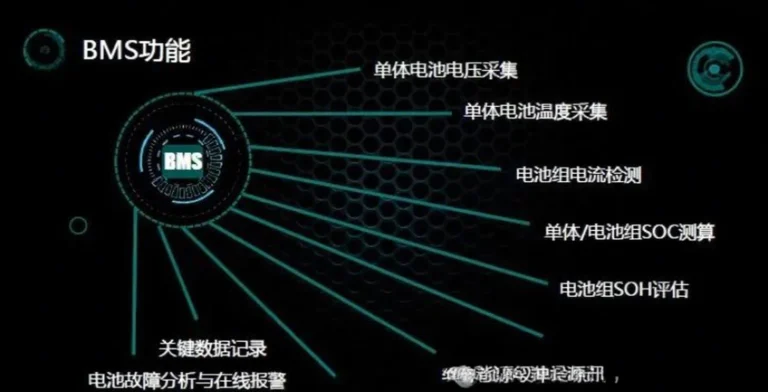
Confirm the motor-start surge rating for your largest irrigation pump, off-peak charging behaviour on your specific tariff, the enclosure rating for an outdoor coastal or irrigated site, and whether the BMS can be read by your irrigation controller or building system. Ask how the warranty treats a system that cycles deeply every day, because a course is a daily-cycling duty, not a standby duty.
People Also Ask
How much storage does a golf course need? A typical 18-hole property with an electrifying fleet lands between 100 kWh and 300 kWh, depending on how much irrigation load is included.
Can it run the irrigation pumps? Yes, and it is often the best use case: local supply for pump inrush removes voltage-drop problems at the far end of the course.
Will it charge an electric mower fleet overnight? That is one of the cleanest applications — off-peak energy in, high-rate charging out, with no supply upgrade required.
Is outdoor installation acceptable? Yes with a properly rated, coated, sealed outdoor enclosure sited above flood level and clear of spray and chemical storage.
Written by Karl at China Battery Technology. Request a quote.