Lithium Battery for Portable Lighting: Field Ready
lithium battery for portable lighting
Portable LED lights draw little current but must run all night on a job site or at a crowded event. A trusted lithium battery manufacturer can spec compact packs that are light to carry and safe to stack. Plan runtime carefully before you deploy the kits.
Runtime Planning
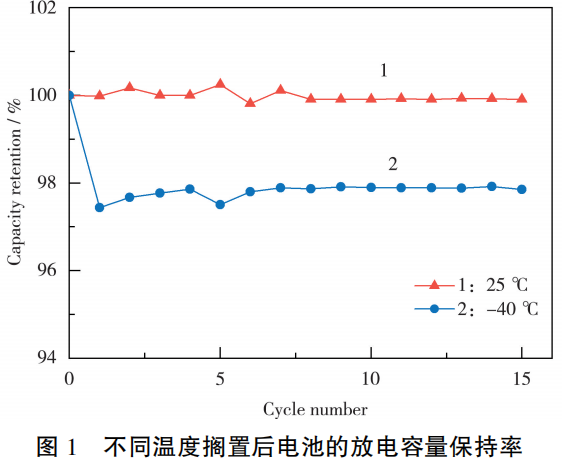
Multiply light wattage by hours of use, then add a sensible buffer for colder nights when lithium capacity temporarily dips below rating.
A small 12V LiFePO4 or high-capacity Li-ion pack easily runs several LED panels through a long, demanding shift without issue or dimming.

Portability and Stacking
Lightweight packs let crews move lighting quickly between locations. Standardise connectors so one charger serves every kit in the truck.
Stackable cases with integrated BMS simplify transport and prevent the mismatched-battery chaos that plagues mixed equipment fleets on site.
Safety on Site
Use protected cells and fused outputs. Cheap uncertified packs are a genuine fire risk in tents, vehicles, and crowded event spaces.
Avoid over-discharge by using lights with low-voltage cutoff, which preserves pack life across many repeated event deployments each year.
Kit Standardisation
Build every kit identically so any crew member can grab one and know exactly how it charges and connects without reading instructions.
Keep a logged spare pack per vehicle; a single dead kit should never cancel a shoot, a shift, or an outdoor event that depends on light.
Comparison at a Glance
| Use | Power | Runtime |
|---|---|---|
| Single panel | 20 W | All night |
| 3-panel kit | 60 W | 8 h |
| Site array | 200 W | Shift |
People Also Ask
How long will a lithium light battery last? A correctly sized pack runs LED panels through a full night, with extra buffer for cold-weather capacity loss.
Frequently Asked Questions
Are lithium lights safe indoors?
Yes with certified cells and fused drivers; avoid uncertified packs near fabrics.
Can I use one charger for all?
Standardise on one pack format and connector to simplify charging across kits.
Key Takeaways
- Total light watt-hours.
- Add cold buffer.
- Standardise pack format.
- Use fused protected cells.
Selection Criteria
When you evaluate a lithium battery for portable lighting, the lowest quote is rarely the best value, because the cheapest pack can fail earliest once it meets real load and temperature swings. A qualified lithium battery manufacturer will help you match capacity, peak discharge rate, and certification to your actual duty cycle rather than a marketing figure on a spec sheet. Prioritise Total light watt-hours., Add cold buffer., and Standardise pack format. during supplier review, and confirm warranty and field-support terms in writing before you commit to a purchase.
Remember that total cost of ownership also includes energy efficiency, expected cycle life, and the availability of spares and local service, all of which frequently matter more than the initial sticker price you are quoted today. Ask for references from operators running the same application, and validate the battery against a representative duty cycle before scaling the deployment across your whole fleet.
- Total light watt-hours.
- Add cold buffer.
- Standardise pack format.
- Use fused protected cells.
As a practical next step, shortlist two or three suppliers and request a reference installation in an application close to yours. A credible lithium battery manufacturer will share independent case studies, validated test data, and an operator contact you can call. Compare the support offered after the sale as carefully as the headline specification, because that ongoing support often decides whether the lithium battery for portable lighting delivers its promised value across the full service life rather than only on the first day of operation.
Written by Karl at China Battery Technology. Request a quote.
Related reading: Lithium Battery for Electric Winch: Cranking Power Without the Voltage Drop