Lithium Battery for Steel Mill: Backup Power for Critical Loads
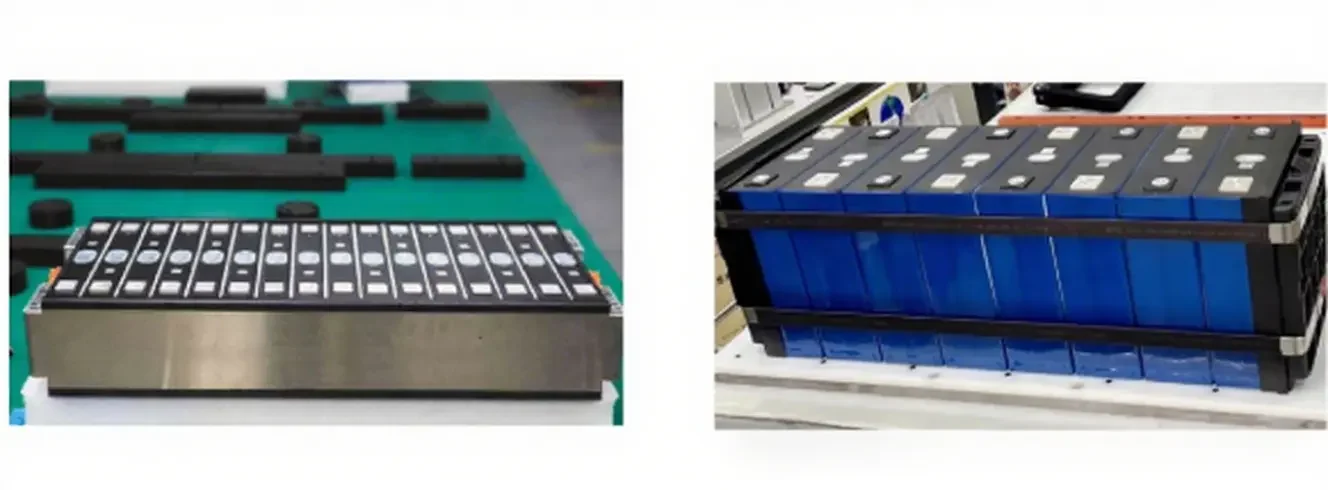
A steel mill is one of the least forgiving environments for backup power. Furnace cooling water, ladle crane drives, gas shut-off valves and the control room all have to keep working when the grid drops, because an uncontrolled stop damages equipment and risks people. Mill engineers are now replacing ageing lead-acid and nickel-cadmium banks with lithium packs that hold capacity through years of standby duty. A qualified lithium battery manufacturer can specify a bank that meets the mill’s ambient temperature, dust load and ride-through window instead of forcing a catalogue product onto a harsh site.
What Actually Has to Stay Energised
The first step in any mill project is separating critical from non-critical load. Melting and rolling loads are enormous and nobody backs those up with batteries. What does need ride-through is the cooling loop that protects the furnace lining, the instrumentation and PLC racks, the emergency lighting and evacuation system, the gas detection and valve shutdown circuits, and enough crane control to park a ladle safely. That list is usually a few hundred kilowatts for a defined window, which is why battery backup is sensible even on a large site.
Why LiFePO4 Fits Mill Duty
Steel plants run hot, dirty and vibration-heavy. Lithium iron phosphate tolerates ambient temperatures up to 55 °C with derating, does not gas during float service, and holds more than 80 % capacity after ten years of shallow standby cycling. Lead-acid in the same location needs quarterly watering, equalisation charges and a ventilated room, and still loses capacity to sulfation between the rare events it exists for.
Mill Backup Chemistry Comparison
| Attribute | LiFePO4 | VRLA Lead-Acid | NiCd |
|---|---|---|---|
| Standby service life | 10–15 years | 3–5 years | 8–12 years |
| Ambient limit (no derate) | ~45 °C | ~25 °C | ~40 °C |
| Maintenance | None | Watering, equalise | Refresh charge |
| Footprint for same kWh | ~40 % of lead | Baseline | ~90 % of lead |
| Ventilation required | No | Yes | Yes |
Heat, Dust and Vibration
Specify the enclosure first, not the cells. Mill electrical rooms see conductive iron dust, ambient spikes near casting lines and continuous vibration from nearby drives. That means an IP54 or better cabinet with filtered forced ventilation or a small air-conditioning unit, anti-vibration mounts rated for the measured floor spectrum, and a dust-tight cable entry design. Cells should carry cell-level fusing and a BMS logging per-module temperature so a hot spot is visible months before it trips.
Sizing the Ride-Through Window
Size to the worst credible event, not the average one. Most mills design for 15 to 60 minutes of autonomy: long enough to bring a standby generator online, complete a controlled furnace shutdown, or park cranes safely. Build the calculation from the simultaneous critical load, inverter efficiency at that part-load point, and a 20 % end-of-life margin so the bank still meets the window in year twelve.
Retrofitting an Existing Battery Room
Lithium usually drops into the footprint left by lead-acid with space to spare, but the charger almost never survives the change. LiFePO4 needs a constant-voltage profile with tighter tolerance than a lead-acid float charger delivers, and NiCd chargers are worse. Budget for a lithium-compatible rectifier, and confirm the DC distribution can handle the higher short-circuit current a lithium bank delivers.
Commissioning and Proof Testing
Insist on a full discharge test at handover, not a simulated one. The bank should carry the real critical load for the full design window while the team logs cell voltages, module temperatures and inverter output. Repeat annually and keep the records: it is the only way to know the bank will perform when the grid fails, and the first thing an auditor will ask for afterwards.
What to Ask a Supplier
Ask for cell traceability, a cycle-life warranty written against the actual duty profile rather than a generic lab number, UL 1973 or IEC 62619 certification, BMS communications over Modbus TCP or Profinet, and a spares commitment covering modules and contactors for at least ten years. A supplier who cannot commit to ten-year spares is not suitable for a twenty-year asset.
People Also Ask
How long will a lithium backup bank last in a steel mill? Ten to fifteen years in standby service is typical, roughly three times a VRLA bank in the same ambient conditions, because lithium tolerates heat and does not need equalisation charging.
Can lithium replace NiCd without changing the charger? Usually not. NiCd charge profiles differ enough that a lithium bank needs its own rectifier or charge controller; reusing the old charger is the most common cause of premature lithium failure.
Is lithium safe in a dusty, high-temperature plant? Yes with the right enclosure. LiFePO4 does not vent gas in normal float service, and an IP54 cabinet with filtered cooling keeps conductive dust off the electronics.
How much autonomy should a mill specify? Most sites design 15 to 60 minutes of ride-through for critical loads, sized to cover generator start time plus a controlled furnace and crane shutdown.
Ready to specify backup power for your plant? Request a quote with your critical load list and required autonomy window.
Written by Karl at China Battery Technology. Request a quote.
Related Reading
- custom lithium battery manufacturer
- Lithium Battery for Paper Mill: Backup Power for a Continuous Process
- Lithium Battery for Road Marking Machine: All-Day Line Striping