Lithium Battery for Automated Warehouse Robots: Powering the Lights-Out Factory
Lithium Battery for Automated Warehouse Robots
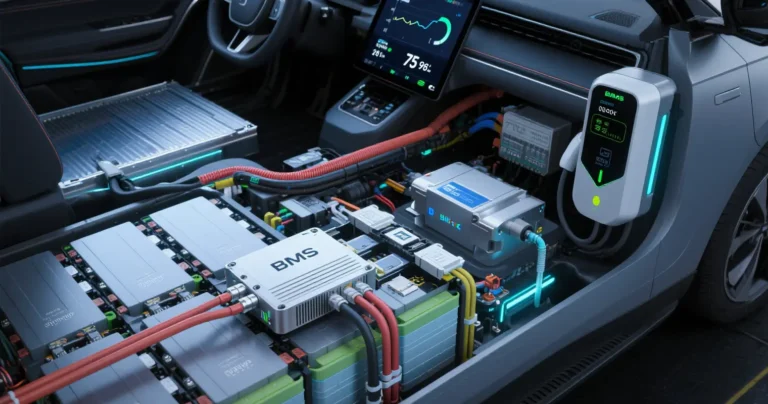
Fulfillment centers now run fleets of automated guided vehicles (AGVs), autonomous mobile robots (AMRs), and goods-to-person shuttles that move around the clock. These robots cannot afford a slow charger or a fading pack, so operators are standardizing on lithium. A trusted lithium battery manufacturer can specify a robot cell that survives thousands of partial cycles, charges in minutes during idle gaps, and reports health to the fleet manager over CAN bus.
Why Warehouse Robots Suit Lithium
Robot duty is stop-start: a bot draws a burst to accelerate, rests while picking, then draws again. Lithium accepts high charge rates during those rests, so opportunity charging between tasks replaces a full overnight charge. Lead-acid cannot absorb energy that fast and loses capacity if it is not fully cycled, which is why legacy fleets spent hours parked on chargers.
Chemistry and Form Factor
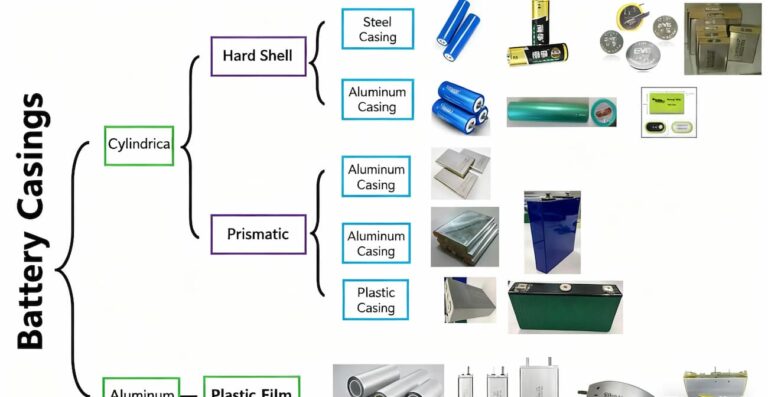
Most indoor robots use lithium iron phosphate (LiFePO4) for its thermal stability and long cycle life (3000–6000 cycles). Where the robot is weight- or space-constrained — a slim under-deck pack — high-nickel NMC may be chosen for density, with tighter thermal management. Pouch or prismatic cells are common; the BMS must support balanced cell monitoring and safe fast charge.
Robot Power Comparison
| Attribute | LiFePO4 | Lead-Acid | NMC |
|---|---|---|---|
| Cycle life | 3000–6000 | 300–500 | 1000–2000 |
| Fast-charge tolerance | Good | Poor | Excellent |
| Energy density | Medium | Low | High |
| Uptime per shift | High (opportunity charge) | Low (long charge) | High |
| 10-year cost | Low | High | Medium |
Deployment Tips
Standardize on one pack voltage across the fleet to simplify chargers and spares. Use opportunity charging docks at pick stations so bots top up during natural pauses, and track each pack’s throughput to schedule maintenance before capacity fades. Choose IP54+ sealing against dust and fork-truck knocks, and confirm the BMS talks to your warehouse management system.
People Also Ask
Can lithium robots run 24/7? Yes — with opportunity charging at docks, a well-sized LiFePO4 pack supports continuous multi-shift operation without dedicated charge windows.
Is lithium safe indoors? LiFePO4 with a redundant BMS and sealed enclosure is the default for indoor AMRs; it has no flammable liquid electrolyte and a high thermal-runaway threshold.
Procurement and Pilot Checklist
Before a fleet-wide rollout, pilot one shift with a small bot batch and log real duty cycles for two weeks. Use that data to right-size the pack instead of trusting nameplate ratings, which are often optimistic for stop-start robot work. Ask the supplier for UN38.3 and IEC 62619 documentation, a stated cycle-life warranty, and a BMS that exports state-of-health to your WMS. A short pilot also surfaces charger-compatibility and thermal issues while the cost of change is still low, and gives your maintenance team hands-on familiarity with balancing and storage procedures.
What maintenance do robot lithium packs need? Almost none versus lead-acid — no watering or equalizing. Plan for periodic BMS firmware checks and cell balancing only if a pack drifts, and recycle end-of-life packs through a certified lithium recycler.
Written by Karl at China Battery Technology. Request a quote.